

Introduction to Smartphone Video Accessories
The advent of smartphone technology has revolutionized the realm of videography, allowing both casual users and professional filmmakers to capture high-quality video content with ease. As smartphones have evolved, they now feature advanced camera systems that can rival traditional video recording equipment. However, to truly maximize the potential of these devices, the use of smartphone video accessories has become increasingly important.
Smartphone video accessories play a crucial role in enhancing the overall quality of video recordings. Tools such as tripods, gimbals, and stabilizers contribute significantly to achieving smooth and professional-looking footage by minimizing camera shake. This professional polish is essential, particularly for content creators aiming to produce visually appealing videos that can captivate their audience.
Additionally, lighting equipment, microphones, and lens attachments are vital for elevating videography beyond the basic capabilities of a smartphone camera. Proper lighting can dramatically improve the mood and quality of a scene, while external microphones enhance audio clarity—an often overlooked aspect in smartphone videography. Lens attachments, including wide-angle and macro lenses, allow for versatile filming techniques, providing users the ability to experiment with different perspectives and compositions.
Moreover, these accessories enable creative filming techniques, fostering an environment where enthusiasts can explore more dynamic ways to tell stories through their videos. For instance, using a gimbal can help filmmakers achieve smooth tracking shots, while creatively utilizing filters can enhance the visual aesthetic of the footage. Thus, incorporating the right accessories is not just beneficial but essential for those looking to push the boundaries of their smartphone videography.
Table of Contents
Essential Accessories for Shooting Videos
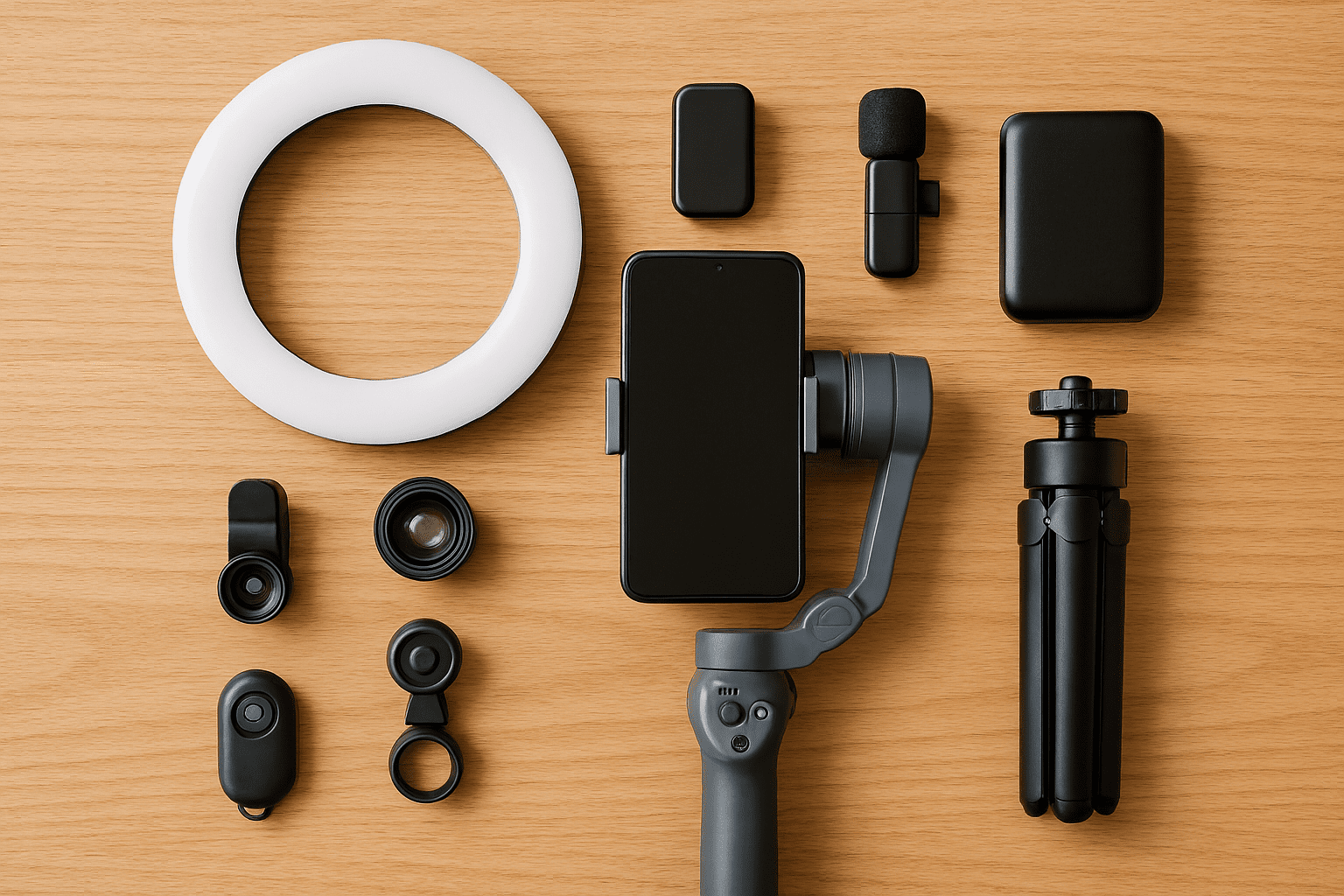
When it comes to smartphone videography, having the right accessories can significantly enhance the quality of your footage. Here are three essential accessories that every amateur and professional smartphone videographer should consider investing in: tripods, stabilizers (gimbals), and external microphones.
Firstly, tripods are fundamental for providing stability when shooting videos. They allow you to maintain a steady frame, eliminating unwanted shakes or movements that could detract from your final product. A tripod also enables you to set up your smartphone in various angles and heights, offering flexibility in your shooting process. With a secure mount, you can focus on composition and lighting without worrying about holding the device.
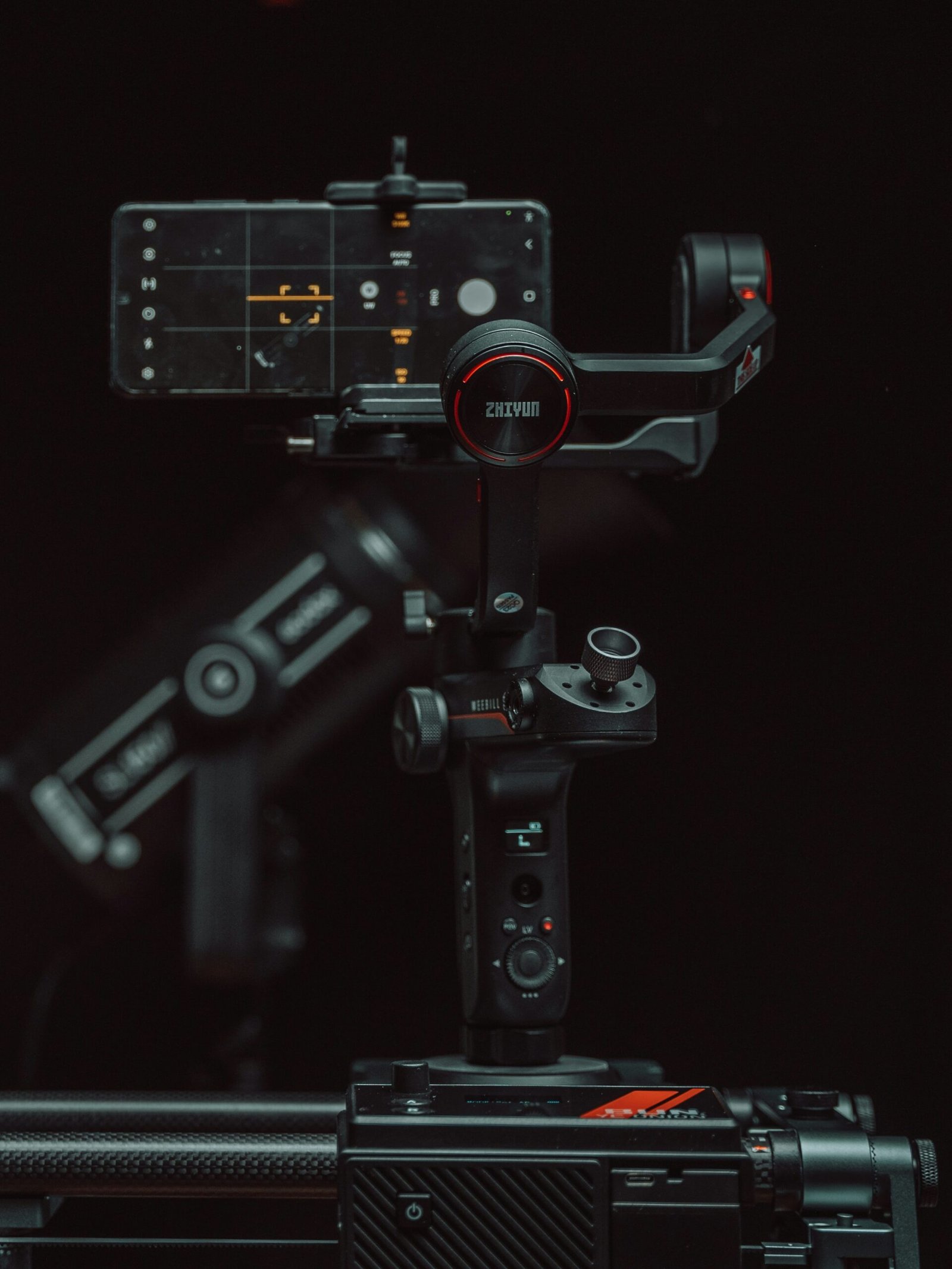
Secondly, stabilizers, commonly known as gimbals, offer an advanced level of stabilization that tripods cannot provide. These devices are equipped with motors that compensate for movements and shakes in real-time, delivering smooth footage even while walking or running. This technology is particularly beneficial for action shots or capturing dynamic scenes, ensuring that your moving shots maintain a professional appearance. By using a gimbal, videographers can achieve fluid transitions and movements, which adds production value to their work.
Finally, external microphones play a crucial role in enhancing sound quality. Built-in smartphone microphones often fail to capture clear audio, especially in noisy environments. An external microphone can dramatically improve the audio quality, ensuring that dialogue and sound effects are crisp and engaging. Choosing the right microphone, such as lavalier, shotgun, or handheld types, depends on the specific needs of the project and the shooting environment.
In summary, incorporating these essential accessories—tripods, stabilizers, and external microphones—can greatly elevate the quality of your smartphone video productions. They enhance stability, improve sound quality, and ultimately contribute to a more polished final product.
Lighting Accessories to Elevate Your Footage
Lighting is a fundamental aspect of video production, significantly influencing the overall quality and aesthetic of the footage. Proper lighting can enhance colors, minimize shadows, and ensure that subjects are presented in the best possible way. To achieve the desired effect, various lighting accessories are available to meet the needs of different filming scenarios.
Among the most popular lighting solutions are ring lights. These circular lights provide even illumination, reducing shadows on the subject’s face, making them an ideal choice for beauty tutorials or interviews. Ring lights are versatile and can be adjusted to different brightness levels, allowing creators to achieve the perfect lighting condition, whether filming indoors or outdoors.
Another excellent option is LED panels. These panels come in various sizes and can be used as key lights, fill lights, or backlights, making them a versatile tool in filmmaking. LED panels tend to have adjustable color temperatures, enabling users to match the ambient light conditions or create specific moods in their videos. Moreover, their lightweight and slim design make them easily portable, a key factor for on-the-go filmmakers.
Additionally, portable light sources such as handheld LED lights or light sticks provide the flexibility needed to adapt to different shooting environments. These devices allow creators to add highlights or detail to their shots without being tethered, enhancing mobility and creativity. By utilizing these portable lighting options, filmmakers can experiment with various angles and effects, ultimately leading to more dynamic and engaging videos.
When using lighting accessories, it is essential to consider placement and intensity. Softening harsh lights with diffusion materials or positioning lights at an angle can significantly improve the output. Overall, using the right lighting accessories not only elevates production value but also allows more creative control over the visual storytelling process.
Lenses and Filters for Creative Shots
To enhance the creative aspects of smartphone videography, utilizing lenses and filters can greatly expand the possibilities for composition and perspective. Lenses such as wide-angle, macro, and fisheye, offer unique ways to manipulate the field of view and capture more dynamic shots.
Wide-angle lenses, for instance, are particularly useful for landscape videography or capturing spacious environments. This type of lens allows videographers to include more elements in the frame, which can enhance storytelling and provide a sense of scale. By adopting a wide field of view, the footage can evoke feelings of grandeur and openness, making it a popular choice for nature or architectural shots.
On the other hand, macro lenses enable users to explore intricate details that are often overlooked in standard videography. With the ability to focus on subjects as close as a few centimeters away, macro lenses reveal the textures and finer details of various objects. This capability enriches the visual narrative, particularly in tutorials or artistic projects where detail is crucial.
Fisheye lenses, known for their distinct rounded perspective, introduce an element of abstraction that can be visually striking. This lens distorts the edges of the frame, creating a unique and immersive viewing experience. Fisheye footage can convey a sense of distortion, making it ideal for creative projects where unconventional representation is desired.
In addition to lenses, the use of filters can help videographers achieve specific visual effects. Filters come in various types, including polarizing and ND (neutral density) filters, each serving distinct purposes. For instance, polarizing filters minimize glare and enhance color saturation, while ND filters allow for better control over exposure. Using these filters thoughtfully can significantly influence the overall impact of the video.
Audio Accessories for Professional Sound Quality
In the realm of video production, the significance of audio quality cannot be overstated. High-quality sound is essential for creating compelling content that resonates with viewers. Utilizing the right audio accessories can significantly enhance the sound quality of your videos, making them far more engaging and professional. This section will explore various audio accessories, including lavalier microphones, shotgun microphones, and audio recorders, and provide insights on how to select the right equipment tailored to different filming scenarios.
Lavalier microphones, often known as lapel mics, are compact and can be discreetly attached to the subject’s clothing. They are invaluable for interviews or any situation that requires hands-free operation. Their design allows them to capture sound very close to the source, effectively minimizing ambient noise and providing clear audio. When selecting a lavalier mic, consider the connectivity options, such as wired versus wireless, as well as battery life for wireless models.
Shotgun microphones are another cornerstone of audio recording equipment, especially suitable for capturing sound from a distance. These microphones employ a highly directional pattern, which makes them ideal for scenarios where the source of audio is farther away from the camera. When using a shotgun mic, positioning becomes crucial; the microphone should be aimed directly at the sound source to maximize clarity and minimize unwanted noise from other sources.
Audio recorders also play a vital role in ensuring audio signals are captured at the highest possible quality. These devices can record sound external to the camera, allowing for superior control and flexibility during filming. This is particularly beneficial in environments with complex soundscapes or when multiple audio sources need to be recorded simultaneously. Investing in a quality audio recorder with good preamps can significantly elevate your production value.
When choosing audio accessories for your video projects, it is essential to consider the specific requirements of each scenario. Assess the environment, the desired sound quality, and the type of content being produced. By carefully selecting the right audio equipment, videographers can ensure their productions are not only visually appealing but sonically rich as well.
Stabilization Tools for Smooth Footage
While tripods and handheld gimbals are widely recognized for their ability to stabilize smartphone footage, there exists a variety of additional stabilization tools that can enhance video quality and prevent unwanted camera shake. Understanding these options can dramatically improve the professionalism of your video content.
Shoulder rigs are a notable choice among filmmakers seeking stability without the bulk of a tripod. These rigs distribute the weight of the smartphone more evenly across the user’s body, allowing for smoother movements. They often come equipped with adjustable arms, which help in achieving a more comfortable shooting position that facilitates prolonged use. By anchoring the smartphone securely, shoulder rigs allow for significant flexibility in dynamic shooting situations, making it easier to execute tracking shots or follow fast-moving subjects.
Another effective stabilization option is the steadicam, which is particularly beneficial for those who prioritize fluidity in their shots. This device utilizes a series of counterweights and springs to minimize the effects of body movements, thereby producing pristine, cinematic footage. The design of a steadicam allows for a greater degree of motion without the dreaded shakiness often associated with handheld shooting. This tool is perfect for professionals capturing action scenes or narrative-driven content.
Flexibility in setup is crucial for dynamic shooting environments, and both shoulder rigs and steadicams offer this adaptability. The integration of quick-release plates allows for swift transitions between different shooting styles, ensuring that you can switch focus without losing momentum. By investing in these stabilization tools, videographers can elevate their smartphone footage, garnering a more polished and visually appealing result.
Editing Tools and Software for Smartphone Videography
In the landscape of smartphone videography, editing software is a critical component that can elevate the quality of videos significantly. Numerous mobile and desktop applications are available to cater to the needs of videographers, whether they prefer working on their device or transitioning to a computer for a more robust editing experience.
For mobile users, applications like Adobe Premiere Rush, iMovie, and KineMaster have gained popularity due to their user-friendly interfaces and advanced features. Adobe Premiere Rush is particularly noteworthy for its seamless integration with other Adobe products, allowing users to start editing on a smartphone and finalize on desktop. It supports multiple video tracks and offers built-in templates for rapid project creation. On the other hand, iMovie is a favorite among iOS users, providing a straightforward editing experience with essential features such as themes, transitions, and easy sharing options.
KineMaster stands out with its powerful editing capabilities, including multi-layer video editing and precise trimming tools, ideal for those seeking a more professional output on their smartphones. Moreover, applications like FilmoraGo and InShot are also appreciated for their simplicity, providing users with the ability to quickly edit, trim, and add effects to their videos without extensive technical knowledge.
For those who prefer editing on larger screens, software such as Final Cut Pro and Adobe Premiere Pro deliver unparalleled functionality and customization options. These desktop platforms are well-suited for extensive video projects, allowing detailed adjustments, color grading, and advanced audio editing. Both programs support high-definition video formats and various export options, making them ideal for users looking to create polished content.
The choice of editing tools ultimately depends on individual preferences and project requirements. As the demand for quality smartphone videos continues to rise, exploring these various editing options is essential for enhancing the storytelling aspect of videography.
Creative Techniques for Smartphone Videography
Smartphone videography has evolved dramatically, allowing filmmakers of all skill levels to express their creativity through various techniques. Among these methods are timelapse, slow-motion, and experimenting with unique angles, all of which can significantly enhance the storytelling aspect of video content.
Timelapse is a fascinating technique that captures a scene over a period and compresses it into a short video. Many smartphones come with built-in timelapse functionality, allowing users to create stunning sequences of blooming flowers, bustling city streets, or shifting clouds. This technique can evoke the passage of time and illustrate changes effectively. For those looking to enhance their timelapse videos, utilizing a tripod or a smartphone stabilizer can help maintain a steady frame, leading to a more polished outcome.
Slow-motion videography allows users to capture moments in detail, bringing life to very quick actions, such as a skateboard trick or a splash in a pool. Most modern smartphones have slow-motion capabilities, enabling users to adjust the frame rate for dramatic effect. To maximize the quality of slow-motion shots, utilizing a gimbal stabilizer can reduce shakiness and improve the overall visual experience.
Unique angles also play a vital role in captivating your audience. Experimenting with low angles or bird’s-eye views can create visually compelling content that stands out from conventional footage. While these angles can be achieved effortlessly, using accessories like smartphone mounts or extendable selfie sticks can open up additional creative possibilities, granting access to angles that would otherwise be difficult to achieve.
In exploring these techniques—whether through access to smartphone settings or the additional support of accessories—creativity in smartphone videography can flourish. The right approach can lead to engaging and memorable videos that resonate with viewers.
Conclusion and Resources for Further Learning
In this guide, we have explored a wide array of smartphone video accessories that can significantly enhance the quality and production value of your videography. From stabilizers that help in achieving smooth shots to external microphones that improve audio clarity, there are several tools available to suit various shooting environments and creative styles. Each accessory plays a crucial role in unlocking the full potential of your smartphone as a versatile video recording device.
Moreover, lighting equipment such as ring lights and portable LED panels was highlighted for their importance in achieving optimal visual quality, as well as the significance of having the right editing apps and software to refine your footage. Investing in these accessories not only elevates the technical aspects of your videos but also fosters your creativity as a videographer.
For those interested in continuing their learning journey in smartphone videography, numerous resources are available online. Tutorials on platforms such as YouTube can offer practical advice and demonstrations on how to use different accessories effectively. Online courses, ranging from beginner to advanced levels, focus on both the artistic and technical facets of videography. Additionally, joining communities dedicated to smartphone filming can provide valuable feedback, inspiration, and networking opportunities with fellow enthusiasts and professionals alike.
By making use of these resources, you can continually develop your skills, explore new techniques, and stay updated with the latest trends in smartphone videography. Emphasizing consistent practice and experimentation with the various accessories will enable you to create captivating videos that resonate with your audience. Equip yourself with knowledge and tools, and embark on your journey towards mastering the art of smartphone videography.