

Introduction to Action Cameras
Action cameras are compact, lightweight, and durable devices specifically designed to capture high-quality video and images in challenging environments. Unlike traditional cameras, which often prioritize versatility and image quality in controlled settings, action cameras are built to withstand the rigors of outdoor adventures, making them the preferred choice for enthusiasts and professionals alike.
The primary purpose of an action camera is to document activities in motion, whether it be surfing, mountain biking, or skiing. These devices are engineered to be shockproof, waterproof, and resistant to extreme temperatures, ensuring they can operate under a variety of conditions without compromising performance. This durability not only appeals to adventurers but also to filmmakers and content creators who wish to capture dynamic footage with minimal gear.
One of the distinguishing features of action cameras is their wide-angle lens, which allows for expansive views, capturing more of the scenery or action within a frame. This characteristic, combined with their ability to mount on helmets, bikes, or even drones, makes them ideal for immersive storytelling and unique perspectives that traditional cameras cannot easily provide.
Furthermore, the rising popularity of action cameras can be attributed to advancements in technology that improve video stabilization and image quality. Users are no longer required to compromise on quality while capturing fast-paced action. The integration of features such as high-resolution sensors, built-in stabilization, and easy connectivity for sharing footage further enhance the appeal of these cameras among a diverse user base.
In recent years, action cameras have transitioned from niche products to mainstream devices, favored by anyone from weekend adventurers to professional filmmakers. This growth reflects not only the demand for versatility in capturing life’s most thrilling moments but also the evolving landscape of how people create and consume visual content.
Table of Contents
Importance of Stabilization in Action Cameras
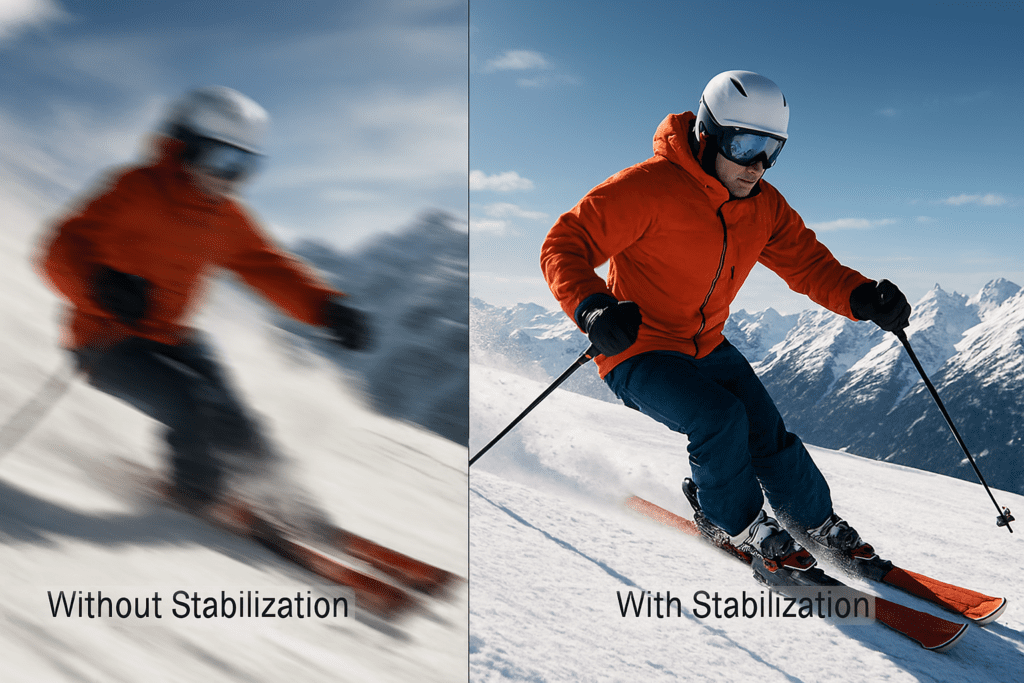
Stabilization is a critical feature in the design of action cameras, particularly for those capturing footage in dynamic environments. As action cameras are often used in fast-paced scenarios such as sports, adventure activities, or travel escapades, the footage can easily become shaky and jarring. This is where stabilization technology plays a significant role. By minimizing unwanted jitters and vibrations, stabilization enhances the overall quality of the video, making it more enjoyable to watch.
The concept of stabilization can be approached in various forms, including optical image stabilization (OIS) and electronic image stabilization (EIS). Both methods aim to smooth out the movements captured by the camera during filming, but they operate on different principles. OIS utilizes physical mechanisms in the camera to counteract movement, while EIS processes video data digitally to eliminate shakes post-capture. Regardless of the method used, the end goal remains the same: enhancing the quality of the footage and improving the viewer’s experience.
When viewers are presented with clear, stable video, they are more likely to engage with the content, leading to a more immersive experience. Shaky footage can distract viewers, leading them to miss the exciting moments captured by the action camera. An action camera that incorporates effective stabilization technology not only records high-quality footage but also preserves the integrity of the moments it captures, making them more memorable and visually appealing.
In summary, stabilization in action cameras is essential to ensuring that the footage produced is smooth and engaging. Whether during skiing down a mountain, biking on rugged trails, or surfing on ocean waves, the effectiveness of stabilization can ultimately elevate the quality of the captured visual content, allowing storytellers to share their adventures with clarity and excitement.
Types of Stabilization Technologies
Modern action cameras utilize various stabilization technologies to reduce motion blur and ensure smooth footage, crucial for capturing dynamic activities. The three primary stabilization methods employed in these devices are digital stabilization, optical image stabilization (OIS), and gimbal systems.
Digital Stabilization is a software-driven approach that uses algorithms to analyze footage and compensate for unwanted camera movements. By cropping and adjusting frames, digital stabilization can effectively smooth out jitters and shakes. The prominent advantage of this method lies in its cost-effectiveness and ease of integration into existing camera systems. However, digital stabilization may result in a loss of resolution, as the image is cropped to stabilize the footage.
Optical Image Stabilization, on the other hand, employs physical adjustments within the camera’s lens system to counteract movement. OIS typically involves shifting one or more lens elements to maintain focus on the subject while compensating for the user’s movements. This method is highly effective in low-light conditions and provides excellent stabilization without significant cropping. Nevertheless, it can be more expensive to implement in action cameras and may not completely eliminate jerky movements during extreme activities.
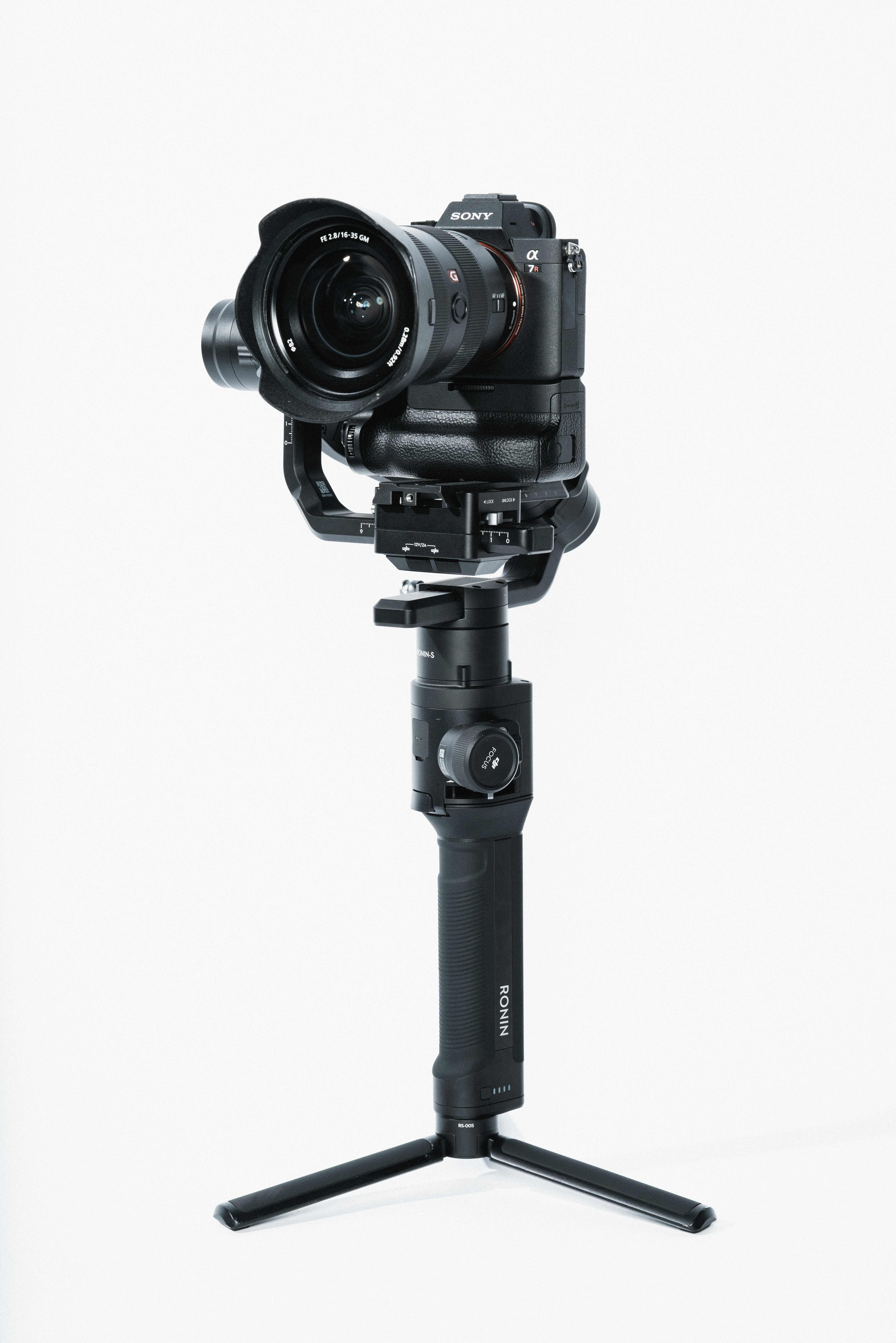
Gimbal Systems represent the most advanced form of stabilization technology. These mechanical devices use a series of motors and sensors to keep the camera level and steady, regardless of the movement of the user. Gimbals provide unparalleled stabilization, even during the most vigorous activities, making them ideal for professional use. However, they can add extra weight and complexity, which may not appeal to users seeking an ultra-compact action camera.
Understanding the strengths and weaknesses of these stabilization technologies is vital for selecting an action camera that best suits specific filming needs and preferences.
Top Action Cameras with Superior Stabilization
In the realm of action cameras, superior stabilization is a critical aspect that greatly enhances the user experience. Here are some of the top models currently dominating the market, each distinguished by its exceptional stabilization capabilities.
1. GoPro HERO10 Black

The GoPro HERO10 Black sets a high standard in the action camera category, featuring HyperSmooth 4.0 stabilization technology. This model allows for smooth, professional-grade video, even in extreme conditions. It is equipped with a 23-megapixel sensor, capable of recording in 5.3K resolution, ensuring both high-quality stills and video. Additionally, its waterproof design allows for underwater adventure capturing.
2. DJI Osmo Action
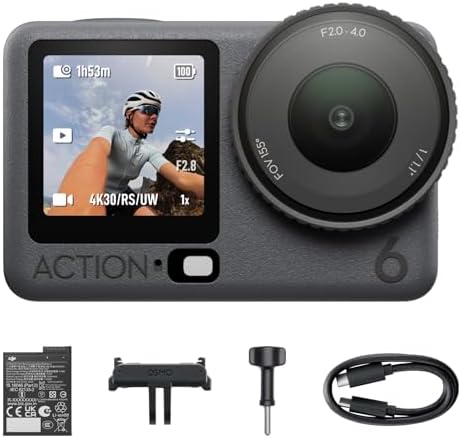
The DJI Osmo Action offers RockSteady stabilization, which combines electronic image stabilization with complex algorithms to smooth out your footage. With dual screens, including a front-facing display, it is particularly favored by vloggers. Users can record 4K video at 60fps, while the rugged build provides durability for outdoor activities.
3. Insta360 One RS

This modular camera allows users to customize their setup, including an option for a 360-degree lens. The Insta360 One R features FlowState stabilization, which tremendously improves video quality by eliminating shaky footage. It can shoot in 5.7K resolution and offers unique shooting modes, making it a versatile option for creative filmmakers.
4. Sony FDR-X3000

The Sony FDR-X3000 utilizes Balanced Optical SteadyShot to deliver exceptional stabilization on the go. This technology effectively counteracts shakes, making it ideal for action-packed scenarios. With 4K video recording capabilities and superior audio quality, it appeals to both casual users and professionals alike.
These action cameras not only provide superior stabilization but also come loaded with various features that cater to different user needs. Their capability to produce high-quality, steady video makes them a worthy investment for enthusiasts of outdoor and action videography.
How to Choose the Right Action Camera for Stabilization
When selecting an action camera with superior stabilization, several key factors should be considered to ensure the device meets your specific needs. Firstly, it is essential to evaluate the stabilization technology used in the camera. Many modern action cameras utilize advanced electronic image stabilization (EIS) which effectively reduces shake and improves video clarity. Look for features like gyro stabilization, which detects movement and compensates for it, providing smoother footage even in dynamic situations.
Another aspect to ponder is the resolution and frame rates offered by the camera. High-definition video is paramount for capturing quality action shots. Ideally, the action camera should support at least 4K resolution along with varied frame rates, enabling you to choose the optimum settings based on your shooting environment. This combination not only enhances video quality but also works in tandem with stabilization features to deliver exceptional performance during fast-paced activities.
Budget considerations play a pivotal role in selecting the right action camera. With a wide range of options available, it’s vital to determine a reasonable price range based on your usage habits and the features that are most important to you. While several high-performing cameras exist in the mid-range category, investing in a reputable brand known for its durability and effective stabilization features can yield long-term benefits. Prominent brands like GoPro, DJI, and Insta360 often receive favorable reviews for their stabilization technologies and overall performance.
Lastly, do not overlook customer reviews and expert recommendations. An extensive review from other users can provide insights regarding the real-world effectiveness of the camera’s stabilization capabilities. By weighing these factors, you can make an informed decision that aligns with your needs and enhances your action-packed experiences.
Practical Tips for Using Action Cameras for Stability
Using action cameras effectively to achieve stable footage requires a combination of proper technique, optimal settings, and the right accessories. The first and foremost tip to ensure stability is to maintain a firm grip on the camera while filming. Utilize both hands whenever possible to minimize movement and jitter. If you are filming in motion, extend your arms while keeping them slightly bent, allowing for better control of the camera’s orientation.
Moreover, adjusting the camera’s settings can greatly enhance stabilization. Many action cameras come equipped with built-in electronic image stabilization (EIS) features. It is advisable to enable these settings during capture as they help reduce shake considerably. Additionally, select a lower frame rate if your action camera permits, as this can result in smoother footage. Keep in mind that using a higher resolution along with lower frame rates often yield better stabilized videos.
Investing in accessories designed for stabilization can also significantly improve the quality of your footage. A handheld gimbal is an excellent choice for those who wish to capture smooth video even during vigorous activities. Alternatively, a chest mount harness can provide stability while allowing for immersive first-person views. Tripods or monopods can also be beneficial in setting up shots that require minimal movement.
Lastly, consider the environment when capturing footage. Filming in windy or uneven terrains may contribute to instability, so be mindful of the conditions. By employing these techniques and tools, you can maximize the stabilization capabilities of your action camera, resulting in a more engaging and professional-looking output.
Editing Techniques to Enhance Stabilization
Post-production editing plays a crucial role in elevating the quality of footage captured by action cameras, particularly when it comes to stabilization. Even the most advanced action cameras can produce shaky footage, particularly in dynamic conditions. Fortunately, various software options exist, offering powerful tools to enhance stabilization in post-production.
One of the most widely used software programs among content creators is Adobe Premiere Pro. This professional-grade video editing software includes a feature known as Warp Stabilizer, which analyzes the footage and applies automatic stabilization adjustments. This tool allows users to fine-tune the level of stabilization applied, ensuring that the result maintains a natural feel without compromising the footage’s overall integrity.
Similarly, Final Cut Pro offers a stabilization tool that effectively smoothes out jittery motion. Within this editing environment, users can adjust parameters such as ‘smoothness’ and ‘crop ratio’ to optimize results. For those who prefer open-source options, DaVinci Resolve stands out for its robust video editing capabilities. Its stabilization tools enable users to achieve impressive results without incurring additional costs.
In addition to utilizing specialized software features, there are basic editing tips that can significantly enhance stabilization. First, consider utilizing a tripod or stabilizing rig during the filming process. However, if that is not feasible, capturing at a slower frame rate can help reduce jarring movements. When editing, users should also trim unnecessary footage that might contribute to the feeling of instability. Adding slow-motion effects strategically can create a dramatic effect while enhancing the viewer’s perception of smoothness.
Ultimately, combining robust software tools with essential editing practices can lead to markedly improved stabilization results, ensuring that the final product showcases the quality of footage captured by action cameras in the best possible light.
Common Mistakes to Avoid When Using Action Cameras
Using action cameras with superior stabilization capabilities can significantly enhance the quality of your videos. However, many users fall prey to common pitfalls that can hinder their overall experience and output. One prevalent mistake is failing to adjust the camera settings according to the shooting environment. For instance, some users neglect to switch between stabilization modes, resulting in jittery footage. It is crucial to understand that different conditions, such as fast-moving actions or variable terrains, require distinct settings to optimize stabilization performance.
Another mistake often made by action camera users is improper handling techniques. Users frequently forget that the way they hold the camera can impact stabilization effectiveness. For example, gripping the camera too tightly can introduce unnecessary vibrations, while maintaining a relaxed grip combined with deliberate movements allows the built-in stabilizers to function optimally. Additionally, the tendency to overly zoom in during action shots can lead to a lack of stabilization efficiency, thus affecting the video’s quality. Instead, maintaining a wider angle allows the camera’s stabilization features to perform better, resulting in smoother footage.
Moreover, many action camera users fail to acknowledge the importance of external stabilizers in certain situations. While modern cameras often have built-in stabilization, using additional equipment like gimbals can provide even greater stability, particularly during extreme activities. Overlooking this can lead to disappointing results, especially when shooting in dynamic environments. Understanding the use of stabilizers as an added layer to your existing setup can drastically improve the quality of your action shots.
Conclusion and Future Trends in Action Camera Stabilization
In summary, the evolution of action camera stabilization technology has greatly enhanced the way users capture dynamic moments. The integration of advanced features such as electronic image stabilization (EIS), mechanical gimbals, and software algorithms has significantly improved image quality and usability in challenging environments. This innovative approach to stabilization not only mitigates the effects of camera shake but also enables users to focus on capturing their adventures without distraction.
Looking ahead, it is likely that we will see further advancements in stabilization technologies. One potential trend is the development of AI-assisted stabilization systems. These systems could analyze the motion and context of the recording to dynamically adjust stabilization settings in real-time, resulting in smoother and more professional-quality footage. Additionally, the rise of 360-degree cameras may lead to new stabilization techniques designed specifically for immersive content, further pushing the boundaries of how we experience action shots.
As manufacturers continue to innovate, we may also see improved integration with other devices, such as drones and smartphones, allowing for seamless content creation across multiple platforms. Enhanced connectivity could lead to smarter stabilization solutions, where action cameras incorporate feedback from surrounding devices to enhance stability and performance during recording.
In conclusion, the future of action camera stabilization presents exciting possibilities. As technology continues to advance, users can anticipate even greater ease of use and quality in their recordings. By staying informed about these developments, action camera enthusiasts will be better equipped to take full advantage of these enhancements, ultimately enriching their storytelling capabilities and elevating their overall shooting experience.