

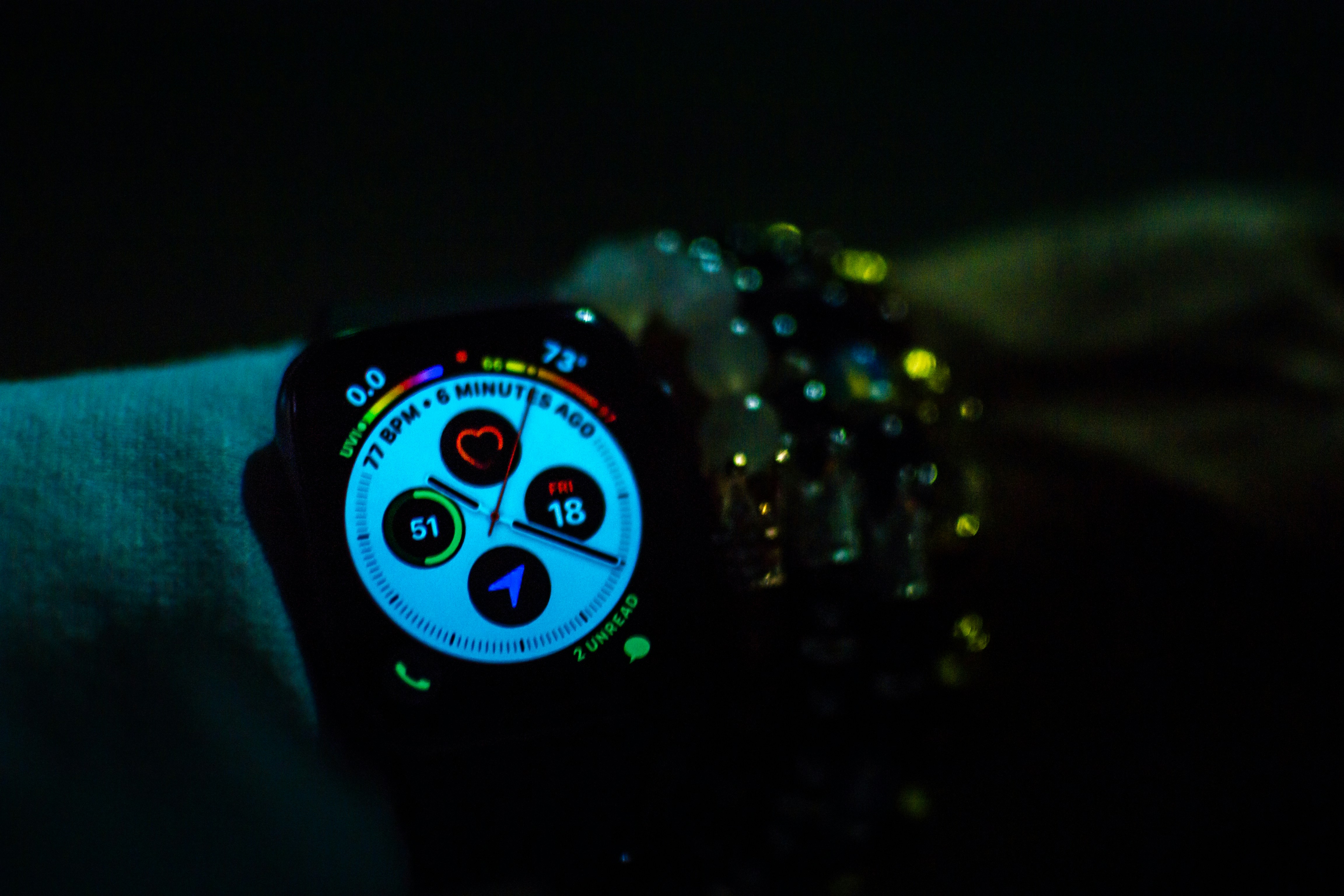
Introduction to Daily Health Tracking
Daily health tracking has emerged as a significant component of modern wellness regimes, gaining traction among individuals aiming to enhance their physical condition and overall lifestyle. The integration of technology into our daily lives, particularly through wearable devices such as smartwatches, facilitates continuous monitoring of various health metrics. This not only empowers users to take charge of their health but also provides valuable insights that can lead to informed decisions regarding fitness and well-being.
Smartwatches, equipped with advanced sensors and algorithms, provide real-time data on aspects like heart rate, sleep patterns, physical activity, and even stress levels. Such features enable users to monitor their health daily, contributing to a clearer understanding of their personal health journeys. As technology continues to evolve, the capabilities of these smart devices are progressively enhancing, making them indispensable tools for health tracking.
The rising popularity of health technology underscores the growing awareness of the importance of maintaining a balanced lifestyle. Individuals are increasingly seeking to incorporate fitness routines into their daily activities, and smartwatches serve as an essential motivator and guide. With features that encourage regular physical activity and remind users to stay hydrated or engage in mindfulness practices, these devices play a pivotal role in promoting holistic health.
In essence, daily health tracking through smartwatches represents a proactive approach to health management. With the ability to monitor various metrics seamlessly, users can establish a greater connection with their well-being, leading to healthier choices and improved quality of life. As we delve deeper into the best smartwatches for daily health tracking, it is essential to appreciate the technology that underpins them and the benefits they offer to users aiming for better health outcomes.
Table of Contents
Key Health Tracking Features in Smartwatches
Smartwatches have transformed the way individuals monitor their health by incorporating a variety of essential tracking features. One of the most notable features is heart rate monitoring. This functionality enables users to keep a close eye on their heart rate throughout the day, assisting in detecting any irregularities or changes that may require medical attention. Monitoring heart rate during workouts can also help optimize fitness routines by ensuring users are exercising within their target heart rate zones.
Another significant feature is sleep tracking. This capability allows users to analyze their sleep quality by monitoring various stages, such as light, deep, and REM sleep. Understanding sleep patterns can facilitate improvements in overall health, as quality sleep is vital for physical and mental well-being. Many smartwatches will also provide personalized insights and recommendations based on the collected sleep data, which users can leverage to establish healthier sleep habits.
Step counting is yet another fundamental aspect of health tracking offered by smartwatches. This feature encourages users to maintain an active lifestyle by setting daily step goals and displaying real-time statistics. Knowing one’s daily step count can serve as motivation in adhering to fitness objectives and improve overall physical health. Regular movement has been linked to various health benefits, including reduced risk of chronic diseases and improved cardiovascular health.
Workout tracking is also integral to the function of modern smartwatches. They typically include multiple workout modes, allowing users to select the specific type of activity they are engaging in, whether it be running, cycling, swimming, or yoga. By accurately monitoring various metrics like duration, distance, and calories burned, users can effectively tailor their training programs and measure their progress over time. Overall, the incorporation of these key health tracking features in smartwatches empowers users to take informed steps towards enhancing their health and fitness levels.
Top Smartwatch Brands for Health Monitoring
In the rapidly evolving world of technology, smartwatches have emerged as indispensable tools for daily health tracking. Leading this innovation are several prominent brands known for their expertise in health monitoring. Key players in this domain include Apple, Fitbit, Garmin, and Samsung, each contributing uniquely to the smartwatch market.
Apple has long been at the forefront of tech innovation, and its Apple Watch series has significantly shaped the smartwatch landscape. Launched in 2015, the Apple Watch introduced features like heart rate monitoring, ECG capabilities, and even fall detection. Its seamless integration with the iOS ecosystem allows users to track their fitness metrics effortlessly, making it a preferred choice for many health-conscious individuals.
Fitbit, another pioneer in health technology, has maintained a strong focus on fitness and wellness since its inception in 2007. Known for its user-friendly interfaces and accurate health tracking, Fitbit’s smartwatches and fitness bands provide comprehensive metrics, including steps taken, calories burned, and sleep patterns. With advanced features like guided breathing sessions and stress management, Fitbit remains a favorite for those focusing on holistic health.
Garmin stands out for its dedication to outdoor enthusiasts and athletes. Founded in 1989, Garmin initially focused on GPS technology, and its smartwatches now cater to a diverse audience, from casual users to extreme athletes. Garmin devices provide advanced health metrics, such as VO2 max and recovery time, making them ideal for serious athletes looking to optimize their performance.
Samsung, a major player in the consumer electronics market, has also made significant strides in health-focused smartwatches. The Galaxy Watch series, launched in 2018, offers features like heart rate monitoring, blood oxygen tracking, and stress management. Samsung’s commitment to integrating health tracking with sleek design has attracted a broad customer base.
Comparison of Popular Health Tracking Smartwatches
In today’s fast-paced world, many individuals are turning to smartwatches for daily health tracking. Among the myriad choices available, several models have emerged as frontrunners, each offering unique features tailored to health-conscious consumers. This comparative analysis highlights some of the most popular smartwatches known for their exceptional health tracking capabilities.
One notable contender is the Apple Watch Series 8. Renowned for its seamless integration with Apple devices, this smartwatch features advanced health metrics such as blood oxygen monitoring and an ECG app. Users appreciate its sleek design and extensive app ecosystem, reflecting a balance of functionality and style. Pricing begins around $399, which aligns with its premium offerings.
Another leading option is the Samsung Galaxy Watch 5. This model stands out with its comprehensive sleep tracking and body composition analysis, catering to users seeking holistic health insights. The Galaxy Watch 5 features a vibrant display and compatibility with both Android and iOS platforms, appealing to a wider audience. Its starting price is approximately $279, making it a more budget-friendly alternative in the premium smartwatch category.
For fitness enthusiasts, the Garmin Forerunner 245 presents a specialized choice with robust fitness tracking features, including GPS functionality and advanced metrics for runners. The Forerunner 245 is well-regarded for its durability and long battery life, factors that resonate with active users. This model retails for around $299, positioning itself as a solid investment for dedicated athletes.
Lastly, the Fitbit Charge 5 offers a more affordable entry into the health tracking space, priced at around $179. This fitness band combines essential health features such as stress management, heart rate monitoring, and a daily readiness score, making it ideal for users focused on wellness without the extra smartwatch functionalities.
By evaluating these top contenders, consumers can make informed choices based on their specific health tracking needs, preferences, and budget considerations. Each smartwatch offers distinct advantages and drawbacks, emphasizing the importance of aligning features with personal health goals.
User Experiences and Feedback
Many users have turned to smartwatches as tools for enhancing their daily health tracking capabilities. These devices have carved out a significant space in the health and fitness industry due to their ability to seamlessly integrate into everyday life. One of the most compelling aspects of these smartwatches is the positive feedback from users regarding their impact on daily routines and health outcomes.
For instance, several users have reported that the heart rate monitoring feature of their smartwatches has been instrumental in helping them understand their cardiovascular health better. One individual noted that the consistent heart rate tracking prompted them to consult a healthcare professional, leading to early intervention for a potential health issue. This example emphasizes the proactive role that health tracking through smartwatches can play in managing personal health.
Moreover, user testimonials highlight how sleep monitoring capabilities have significantly improved their sleep hygiene. Many individuals shared that by analyzing their sleep patterns through the data collected by their device, they gained insights into their nightly rest. These insights led to better bedtime practices and, subsequently, enhanced overall well-being.
Additionally, the step tracking feature has emerged as a favorite among fitness enthusiasts. One user lamented the sedentary nature of their job, explaining that the reminders to get up and move around, as well as the ability to set daily step goals, encouraged them to incorporate more physical activity into their routines. This practical approach has not only improved their physical fitness but also served as a motivational tool to stay active throughout the day.
Overall, the feedback from users indicates a strong correlation between the use of smartwatches for health tracking and improved health outcomes. These devices have not only facilitated lifestyle changes but also fostered a greater sense of awareness and responsibility towards personal health management.
How to Choose the Right Smartwatch for Health Tracking
Selecting an appropriate smartwatch for health tracking requires careful consideration of several key factors. First and foremost, it is essential to establish a budget. Smartwatches are available in a wide range of price points, from budget models to high-end devices. Identifying your financial limits will help narrow down the options and facilitate the search for a smartwatch that meets both your financial and health tracking needs.
Next, compatibility with your existing devices should be a top priority. It is crucial to ensure that the smartwatch you choose is compatible with your smartphone or tablet, as this affects the functionality of health tracking features, notifications, and app integrations. Review the operating systems supported by the smartwatch and verify whether it can seamlessly sync with your mobile device.
The range of health metrics offered by different smartwatches will vary significantly. When selecting a smartwatch for health monitoring, consider which health metrics are most important to you, such as heart rate monitoring, sleep tracking, or step counting. Some advanced models also offer features like ECG monitoring, blood oxygen levels, and body temperature regulation. Understanding your personal health goals can help prioritize which metrics are necessary for effective tracking.
Design preferences also play a vital role in choosing a smartwatch. The smartwatch’s weight, size, and strap material influence comfort during daily wear, especially for fitness activities. Consider whether you prefer a sporty appearance or a more classic design that can transition seamlessly into professional settings.
Lastly, think about any additional features that may enhance your health tracking experience, such as GPS for outdoor activities, water resistance, and battery life. Having a tailored combination of these aspects will guide you towards a smartwatch that meets your health tracking requirements effectively.
Integration with Health Apps and Ecosystems
In the age of digital health, smartwatches serve as more than just timepieces; they are integral devices that synergize with various health applications and ecosystems. These integrations allow users to monitor their health metrics efficiently, offering them a comprehensive overview of their well-being. Major platforms such as Apple Health, Google Fit, and Samsung Health have established frameworks that allow smartwatches to communicate seamlessly with other health-centric applications, fostering an interconnected health management system.
Smartwatches primarily collect data such as heart rate, step count, and sleep quality, which can be synchronized with these health applications. For instance, users can track their exercise routines and caloric intake, all monitored through a single interface provided by their smartwatch. The data collected can be utilized to generate insightful reports, helping users make informed health decisions. Additionally, many popular health applications offer advanced features such as personalized coaching based on collected data, making health tracking more engaging and effective.
The advantage of integrating smartwatches with health apps extends beyond mere data collection. Users benefit from holistic health tracking across various devices, enabling them to view their health metrics in one consolidated dashboard. This synergy encourages accountability, as users can set reminders for daily activity levels or medication through their smartwatches, directly linked to applications that monitor their compliance. Furthermore, these ecosystems often include social features that encourage users to share their progress with friends or family, fostering a supportive and motivating environment.
Ultimately, the integration of smartwatches with health applications represents a significant advancement in personal health management. By leveraging technology in this manner, users gain a more complete understanding of their health metrics, empowering them to achieve their wellness goals more effectively.
Maintaining Your Smartwatch for Optimal Performance
To ensure that your smartwatch delivers accurate health tracking, regular maintenance is crucial. This includes physical care, software updates, and efficient battery management. Each of these components helps maintain the functionality and longevity of your device.
Firstly, proper care of your smartwatch is essential. Regularly cleaning the watch face and band can prevent dirt buildup, which not only affects aesthetics but could also interfere with sensors responsible for monitoring health metrics like heart rate and activity levels. A soft cloth should be used to wipe the screen, and a gentle soap solution can be applied to washable bands, depending on the material. Avoid harsh chemicals or abrasive materials that could damage the device.
Secondly, keeping your smartwatch’s software up to date is vital for optimal performance. Manufacturers routinely release updates that improve device functionality, fix bugs, or add new features. These updates can enhance the accuracy of health tracking and ensure that the device remains compatible with associated health apps. Check regularly for updates through the connected smartphone app or on the device itself, and install them as soon as they become available.
Lastly, effective battery management plays an important role in maintaining your smartwatch’s performance. To prolong battery life, consider adjusting brightness settings, minimizing the use of animations, and disabling unnecessary notifications. It is also advisable to charge your smartwatch regularly and to avoid letting it fully deplete before recharging. This practice can prevent battery wear and prolong the lifecycle of the smartwatch, ensuring that health tracking capabilities remain at peak performance.
Future Trends in Smartwatch Health Tracking
The landscape of smartwatch health tracking is poised for remarkable transformations as technology continues to advance at an unprecedented pace. Emerging technologies, particularly in the areas of sensor innovation and artificial intelligence (AI), promise to elevate the capabilities of these devices far beyond their current functionalities.
One of the most significant trends is the development of more sophisticated sensors that can measure a wider range of health metrics with greater accuracy. For instance, we are witnessing the advent of sensors capable of thermal imaging, which allows for the detection of changes in body temperature that can indicate health issues before they become severe. Similarly, advancements in biowearable technology enable devices to monitor biochemical signals, providing insights into hydration levels, hormonal changes, and even blood glucose levels.
Artificial intelligence will also play a pivotal role in the evolution of smartwatch health tracking. The integration of AI algorithms can enhance data analysis, offering users personalized health insights and recommendations tailored to their unique physiological profiles. With machine learning capabilities, smartwatches are moving towards predictive analytics, which can forecast potential health risks based on patterns identified in users’ data over time. This shift toward proactive health management empowers individuals to take preventive measures rather than reacting to health issues as they arise.
Moreover, future trends may see the incorporation of new health metrics, including fatigue levels based on sleep quality and activity patterns, as well as stress levels derived from heart rate variability. As we look ahead, the potential for integrating smartwatches with telemedicine platforms could also expand healthcare access, allowing for remote monitoring and consultations, thereby enriching the overall healthcare experience.
The convergence of these technologies is creating a more holistic approach to health management, where smartwatches will not only be fitness trackers but integral tools for comprehensive health monitoring. As research and innovation continue to accelerate, the next generation of smartwatches promises to become indispensable companions in our journey toward better health.