

Introduction to Multi-Device Charging Stations
In today’s technology-driven society, the proliferation of smart devices has become a hallmark of modern life. From smartphones and tablets to smartwatches and wireless earphones, individuals and families find themselves increasingly reliant on a multitude of gadgets. Given the rising ownership of such devices, the need for efficient and effective power solutions has also grown, leading to the development of multi-device charging stations.
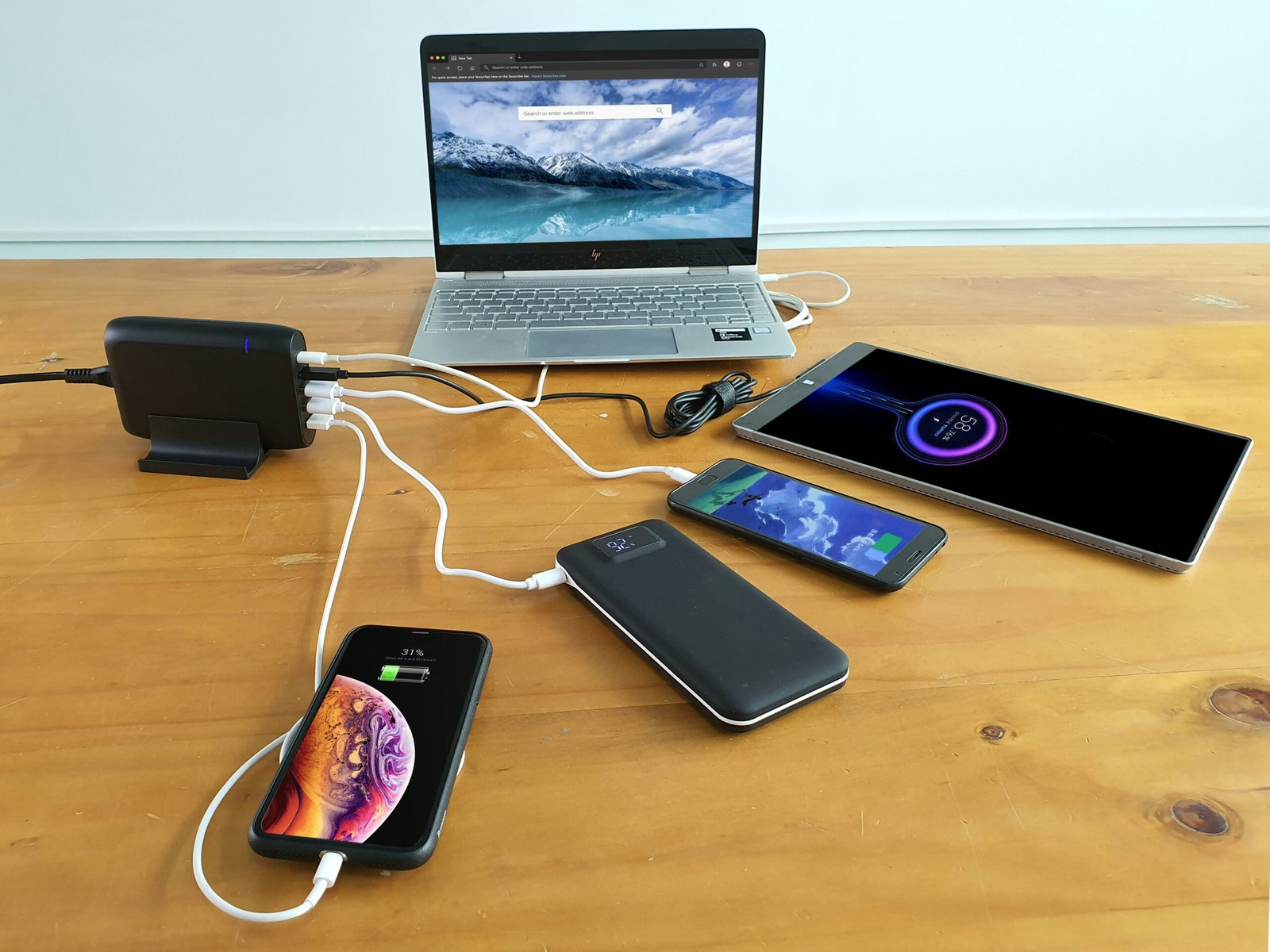
A multi-device charging station serves as a centralized hub that caters to the demand for charging multiple gadgets simultaneously. This innovative solution is designed to streamline the charging process by offering a single location for powering various devices, thus eliminating the clutter of tangled cords and multiple wall sockets. Convenience is a key aspect of these charging stations, as they often provide multiple ports, including USB-A, USB-C, and even wireless charging capabilities, allowing users to recharge all their devices with ease.
The importance of having a multi-device charging station extends beyond mere convenience; it also addresses the challenge of competing charging protocols and power requirements across different devices. By utilizing a multi-device charging station, users can ensure that all their electronics receive the appropriate power without the risk of overcharging or damaging any of their valuable gadgets. Additionally, as the world moves towards greater sustainability, many of these chargers are designed with energy-efficient features, contributing to a greener lifestyle.
In summary, multi-device charging stations are not only practical but also essential tools in managing the myriad of devices that are part of everyday life. Their ability to charge multiple gadgets at once simplifies life for tech-savvy individuals and families, making them a wise investment in our increasingly digital world.
Table of Contents
Benefits of Using Multi-Device Charging Stations
Multi-device charging stations have become increasingly popular as a solution to the varied needs of modern technology users. One of the primary benefits of these charging stations is their efficiency. Rather than searching for multiple outlets and tangled cords for individual chargers, users can connect several devices to a single station. This not only streamlines the charging process but also makes it simpler to monitor battery levels across devices. Furthermore, many of these stations are designed with fast charging technology, ensuring devices are powered up swiftly, a crucial feature for today’s fast-paced lifestyle.
Space-saving capabilities are another notable advantage of multi-device charging stations. In many homes and workplaces, desk and counter space is at a premium. An all-in-one charging station can significantly minimize clutter, allowing users to charge smartphones, tablets, laptops, and other gadgets in a dedicated area. This not only enhances organization but contributes to a cleaner, more aesthetically pleasing environment.
Cost-effectiveness is also a tangible benefit. Rather than investing in several individual chargers, which can become expensive over time, a multi-device charging station offers a more economical option. By consolidating the charging of multiple devices into one unit, users can reduce the financial burden associated with maintaining a home full of electronic gadgets.
Beyond personal convenience and savings, the use of multi-device charging stations can also have a positive environmental impact. By reducing the need for multiple chargers, users contribute to less electronic waste, a growing concern in our society. Fewer chargers mean fewer components being manufactured and discarded, aligning with more sustainable practices. Embracing a multi-device charging approach ultimately supports a reduction in overall environmental footprint, making it a responsible choice for tech users today.
Key Features to Consider When Choosing a Charging Station
When selecting a multi-device charging station, several essential features warrant consideration to ensure you make an informed choice. Firstly, the number of ports is crucial. Depending on the number and type of devices you intend to charge simultaneously, look for a station that offers ample ports to accommodate smartphones, tablets, and laptops without inconvenience. Stations with dedicated charging ports for specific devices, such as USB-A and USB-C, provide greater versatility and enhance user experience.
Compatibility with various devices should also be a priority. Opting for a charging station that supports a wide range of electronics ensures that you can charge multiple types of gadgets at once, thereby maximizing convenience. Investigating the specifications will provide a clearer picture of supported devices and connection types.
Charging speed is another critical factor. Fast charging capabilities can significantly reduce the time needed for devices to reach full battery status, particularly for those on the go. Seek out charging stations that incorporate fast-charging technologies, such as Quick Charge or Power Delivery, to enhance efficiency in your charging routine. USB-C compatibility has become increasingly important, particularly for newer devices, so a station that can handle this type of connection is advisable.
Lastly, consider the safety features of the charging station. Overcharge protection, short circuit prevention, and surge protection are vital for safeguarding both your devices and the charging unit itself. Ensuring the charging station is equipped with these protective measures can help prevent potential issues that arise from overvoltage or other electrical anomalies.
Top Multi-Device Charging Stations Reviewed
In the current market, numerous multi-device charging stations exist, catering to a wide variety of user needs and preferences. This section evaluates several of the best options, ranging from budget-friendly models to premium offerings, allowing readers to make informed purchasing decisions based on their specific requirements.
The Anker PowerPort III Pod Lite emerges as a top budget option. Priced at around $25, it offers a compact design capable of charging up to four devices simultaneously. The PowerIQ technology enhances charging efficiency, and it’s compatible with devices ranging from smartphones to tablets. However, some users have noted that the station lacks individual charge indicators, which might confuse those wishing to monitor charging progress.
For those seeking a more premium experience, the RAVPower 60W 12A 6-Port USB Charger is highly recommended. At approximately $40, it boasts advanced smart identification technology, optimizing power output per port. The array of output ports allows for charging multiple devices without sacrificing speed. While it is slightly larger than its competitors, users appreciate its high build quality and effectiveness.
Another noteworthy contender is the Belkin Boost Up Wireless Charging Dock, retailing for about $80. This charging station features a sleek design and supports both wireless and wired charging for a variety of devices, including iPhones and Android smartphones. Although some customers expressed concerns regarding the heat generated during charging, the dock’s functionality and aesthetics balance this drawback for many users.
Lastly, the CHOETECH Wireless Charging Pad, available for around $20, offers a highly portable option for individuals constantly on the go. Its design allows for easy placement and removal of devices, although it tends to charge a single device at a time, which might not suit everyone’s needs.
An informed choice requires considering not only specifications and pricing but also individual device compatibility and personal charging habits, making it imperative to assess all available options thoroughly.
Comparing Charging Technologies: USB-C, Qi, and More
In the landscape of multi-device charging stations, various charging technologies offer unique features and compatibilities. USB-C charging technology has gained significant prominence due to its universal nature and rapid charging capabilities. This standard supports a wide array of devices, including smartphones, tablets, laptops, and even some gaming consoles. The advantage of USB-C lies in its ability to deliver high power levels, often reaching up to 100 watts, thus enabling faster recharges compared to traditional USB outputs. Additionally, its reversible connector design enhances user convenience.
On the other hand, Qi wireless charging has emerged as a prominent contender in the market, particularly for mobile devices. This technology allows for cord-free charging, providing seamless charging experiences for compatible smartphones and accessories. Though Qi charging typically involves slower charging speeds compared to wired connections, it enhances usability by eliminating cable clutter. Many modern smartphones now support the Qi standard, making it an attractive option for users seeking convenience.
Besides USB-C and Qi, other charging standards exist that cater to specific needs. For instance, Power Delivery (PD) is an extension of USB-C that allows for higher charging speeds and can negotiate power needs between devices. Furthermore, Apple’s Lightning connector offers proprietary charging solutions for Apple devices, ensuring compatibility and optimal charging performance. Ultimately, the best charging technology for a specific user depends on the devices they own and their personal charging preferences. Evaluating factors such as device compatibility and charging speed can help users make an informed choice regarding the most suitable multi-device charging station for their needs.
User Experiences with Multi-Device Charging Stations
The effectiveness and performance of multi-device charging stations can vary considerably based on user experiences. A range of testimonials from consumers provides valuable insights into best practices and possible drawbacks. For instance, many users have praised the multi-device charging stations for their ability to streamline the charging process. One user noted, “I love how I can charge my phone, tablet, and smartwatch all at once without dealing with a tangle of wires. It has greatly simplified my charging routine.” Such efficiency tends to be a central theme in positive reviews, reflecting the convenience these devices bring to homes and offices.
However, it is essential to highlight that not all experiences are positive. A common complaint regarding some models is the charging speed. One user shared, “While the station is great for multiple devices, I noticed that my tablet takes considerably longer to charge than when using the original charger.” This feedback points to the importance of checking the specifications, such as output power, which can affect charging speed. Additionally, some users have expressed concerns about durability; for instance, one reviewer mentioned that after several months of use, the connection ports became loose.
Another aspect frequently mentioned in reviews is the design and aesthetic of the charging station. Many customers appreciate units with a sleek design that fits well with modern decor. A user stated, “The charging station blends seamlessly into my workspace and doesn’t look out of place like some other bulky options I considered.” Overall, while there are numerous positive testimonials highlighting functionality and design, prospective buyers should also consider the potential issues to make informed decisions.
How to Set Up and Optimize Your Charging Station
Setting up a multi-device charging station effectively is crucial for ensuring that all your devices charge efficiently and remain organized. The first step is choosing an appropriate location. Select a flat, stable surface that is easily accessible to avoid pulling or straining cables. A dedicated nook or corner can help keep your charging area tidy and prevent any clutter from spreading to your main workspace.
Cable management is another essential component of optimizing your charging station. To prevent tangles and clutter, consider using cable organizers such as clips, sleeves, or zip ties to keep cables neatly bundled together. Label each cable if you own multiple devices to simplify the process of plugging in and removing devices. A well-organized setup not only improves aesthetics but also enhances the overall functionality of your charging station.
Positioning your devices correctly is vital for optimal charging performance. Ensure that devices are seated securely in their respective charging ports to facilitate efficient power transfer. Avoid stacking devices on top of one another, as this can lead to overheating and hinder charging speed. Ensure your charging station offers adequate airflow to dissipate heat generated during charging. If possible, use charging stations with built-in cooling features, such as fans, to maintain safe operating temperatures.
Additionally, assess the capabilities of your charging station and each device’s battery requirements. Where applicable, use fast-charging protocols to maximize charging efficiency without damaging batteries. Check the compatibility of your devices and charge them according to their specifications to prolong battery life. By following these guidelines, you can ensure that your multi-device charging station functions optimally, providing a seamless charging experience for all your devices.
Maintaining Your Multi-Device Charging Station
To ensure that your multi-device charging station remains functional and extends its lifespan, regular maintenance is crucial. Proper care involves cleaning, storage, and addressing common technical issues that may arise over time. Neglecting these aspects can lead to suboptimal performance or even damage to your charging station.
First, cleaning the charging station is essential to maintain its efficiency. Dust and debris can accumulate on the surface and in the ports, hindering the device’s ability to connect properly. It is recommended to use a soft, lint-free cloth to wipe down the exterior, while a can of compressed air can effectively remove particles from the ports. Avoid using liquids or harsh chemicals that could damage the plastic components.
Additionally, the way a charging station is stored plays a significant role in its longevity. When not in use, the charging station should be kept in a cool, dry place to prevent exposure to extreme temperatures or moisture. Coiling the charging cables neatly can help avoid tangling or wear, ensuring they remain in good condition for future use. It is advisable to avoid winding the cables too tightly as this can lead to internal damage.
Common issues, such as intermittent charging or devices failing to charge, can often be resolved with straightforward troubleshooting steps. First, verify that the power source is operational; test it with another device if necessary. If the charging station is connected but still not charging properly, consider checking the cables for signs of damage and replacing them if needed. Ensuring that your charging station is updated with the latest firmware can also resolve compatibility issues that may arise with newer devices.
By adhering to these maintenance guidelines, you can significantly enhance the performance and lifespan of your multi-device charging station, ensuring that it continues to serve its purpose efficiently for years to come.
Conclusion and Final Thoughts
In this comprehensive guide, we have explored various aspects of the best multi-device charging stations available today, highlighting their functionality, usability, and value. The importance of selecting the correct charging solution cannot be overstated, especially in a world where we increasingly rely on multiple devices to meet our daily demands. Whether you require a charging station for your home office, nightstand, or family living area, the options reviewed offer a diverse range of features tailored to accommodate different needs.
When considering a multi-device charging station, it is essential to evaluate your specific requirements, including the number of devices you plan to charge simultaneously, the types of connectors you need, and the available space where the station will be used. For instance, a compact and portable model may be more suitable for travelers, while a larger, more robust unit could better serve a family with multiple gadgets.
Throughout this guide, we have recommended several charging stations that excel in different categories, ensuring that readers can find an appropriate solution that aligns with their lifestyle. Our detailed reviews provide insights into the functionality, ease of use, and durability of each model. By choosing one of these charging stations, you can achieve a clutter-free and efficient charging experience, minimizing cable management issues and maximizing convenience.
Ultimately, the right multi-device charging station can streamline your charging routine, provide better organization, and enhance your productivity. We encourage readers to explore the recommended options and consider their unique requirements, as the ideal charging station can significantly improve your device management.