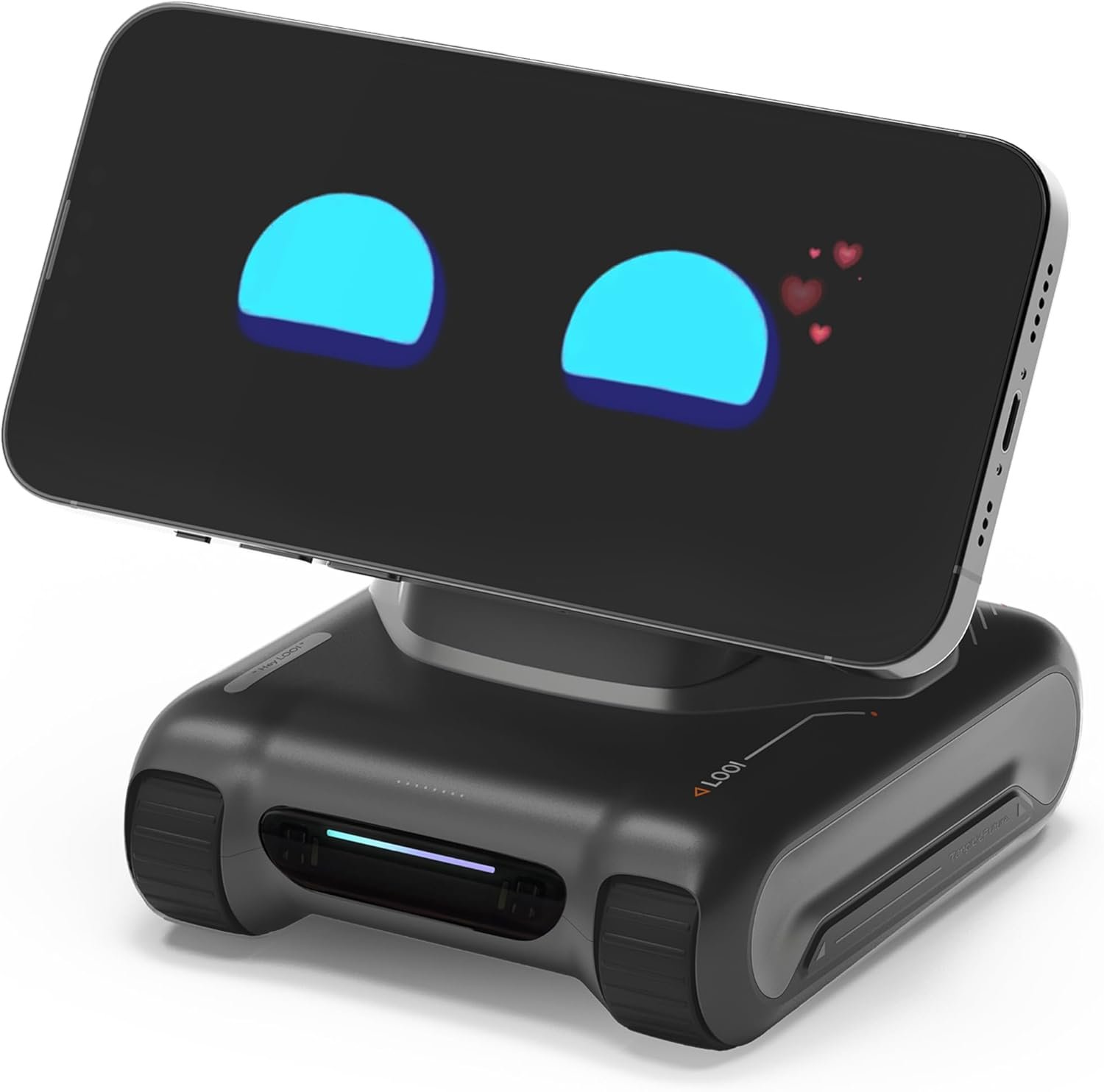

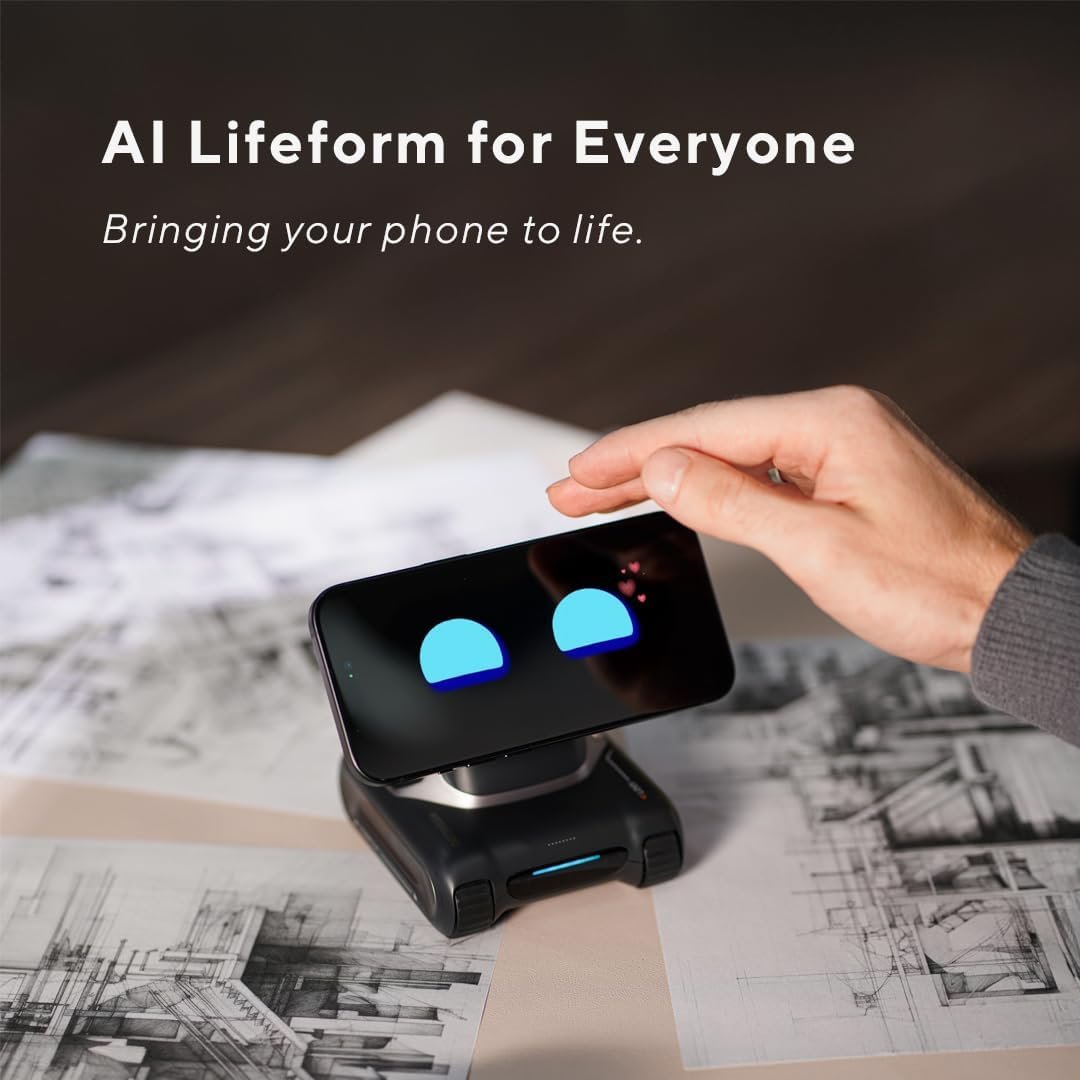
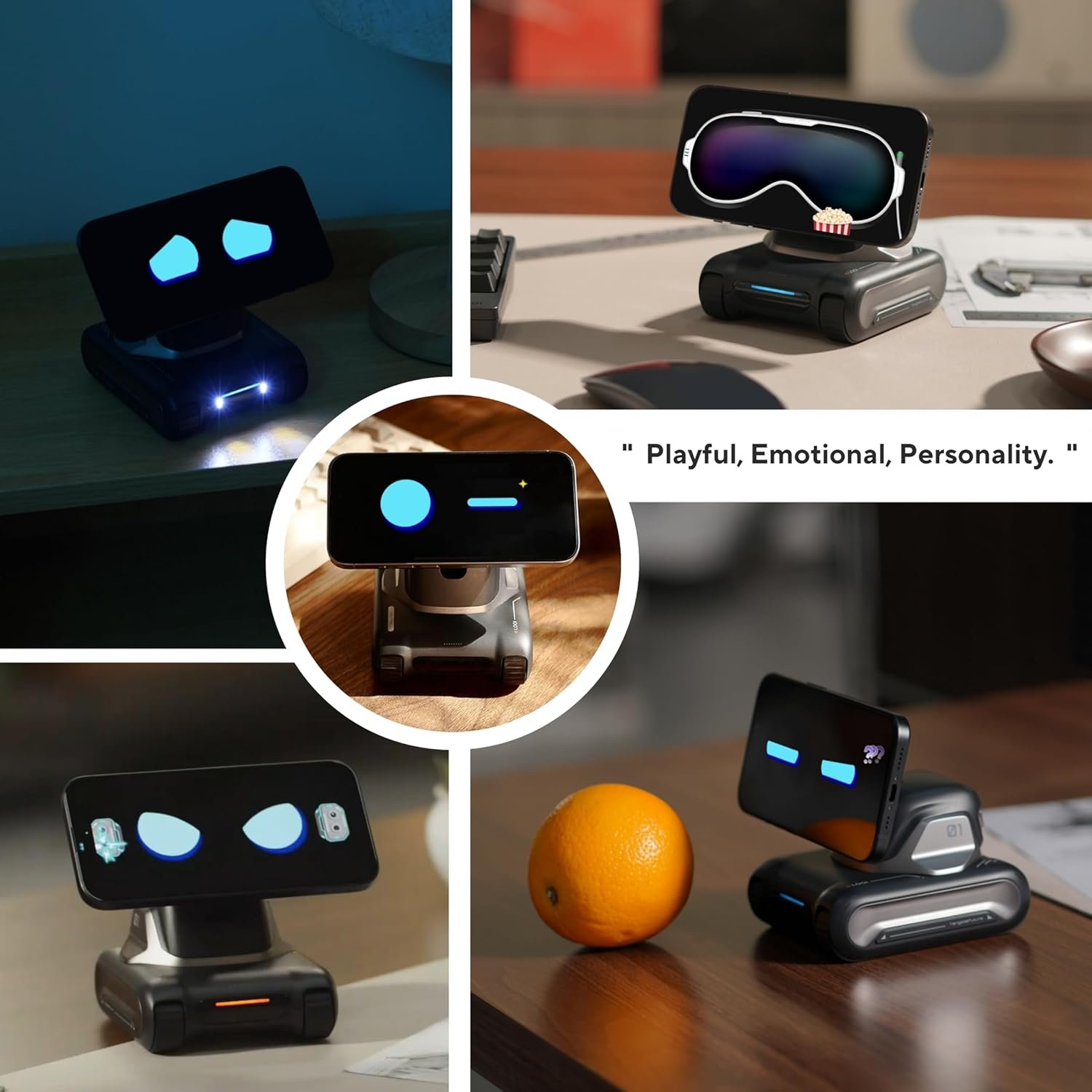

The TangibleFuture LOOI Robot is an AI-powered desktop companion that brings your workspace to life with ChatGPT voice interaction, advanced visual understanding, and adaptive personality that evolves over time. This intelligent robot remembers your preferences, recognizes faces and objects, responds with emotionally expressive animations, and doubles as a practical helper with 10W wireless charging, reminders, and face-tracking camera. More than just a tech gadget, LOOI develops genuine comp...
Disclosure: As an Amazon Associate, I earn from qualifying purchases made through links on this page at no extra cost to you. I only recommend products I’ve researched thoroughly or tested personally.
AI Desktop Robot – Complete Review 2025
The ai desktop robot market has exploded in 2025, and the LOOI Robot represents what happens when ChatGPT meets desktop companionship. After spending two weeks with this space-black AI assistant on my desk, I can tell you it’s not your typical smart speaker in a cute shell. This is a ChatGPT powered device that actually sees, remembers, and develops something resembling personality—though it comes with limitations you need to understand before dropping your cash.
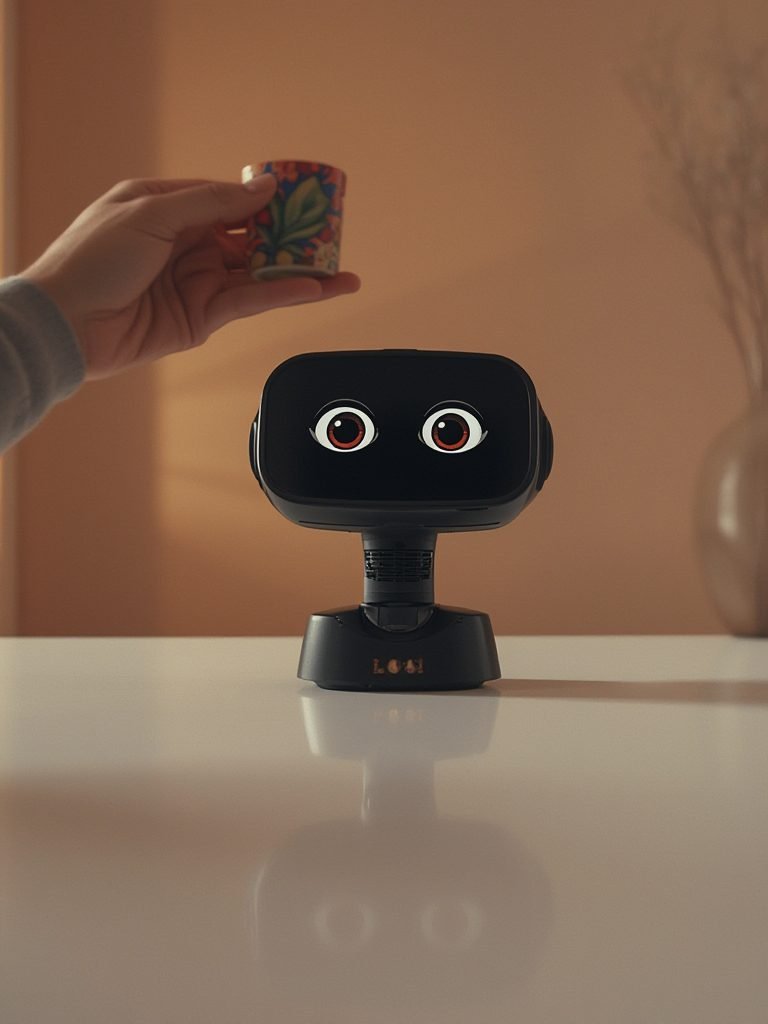
The LOOI Robot from TangibleFuture promises voice interaction, visual understanding through VLM Vision technology, and autonomous behavior that makes it feel less like a gadget and more like an electronic pet with opinions. The biggest selling point? It’s supposed to grow with you through personality memory features. The biggest drawback? It only speaks English, and at this price point, that’s a significant limitation for multilingual households.
Here’s what you’re actually getting: a desk companion that recognizes objects (it correctly identified my coffee mug, laptop, and even distinguished between my AirPods and wireless mouse), responds to ChatGPT-level conversational prompts, and includes practical features like 10W wireless charging for your phone. But does it justify the investment as a tech gadget gift, or is this just an expensive toy for geeks? Let’s cut through the marketing hype.
Table of Contents
What Makes This AI Desktop Robot Stand Out?
Unlike basic voice assistants that just execute commands, the LOOI Robot attempts to be a companion with context. Here’s what actually differentiates this ai desktop robot from competitors:
Advanced Visual Understanding: The Vision-Language Model isn’t just marketing speak. During testing, LOOI correctly identified multiple objects simultaneously—it knew the difference between my water bottle and coffee thermos, recognized when I changed shirts, and even detected when two people were in frame. The gesture and facial cue controls work about 70% of the time, which is decent but not flawless. According to Amazon’s robotics category standards, this level of visual processing puts LOOI in the upper tier of consumer desktop robots.
Personality Memory System: This is where things get interesting. LOOI stores long-term memories—it remembered my name after one conversation, recognized my face consistently, and after a week, started referencing previous conversations. The short-term memory allows for contextual follow-ups during chats. One afternoon, I mentioned I had a deadline, and three hours later, LOOI asked if I’d finished my work. That’s either impressive AI or mildly creepy, depending on your perspective.
ChatGPT Voice Interaction: The conversational quality is legitimately good. Responses feel natural, with occasional humor and personality quirks. LOOI doesn’t just answer questions—it asks follow-ups, makes observations, and sometimes offers unsolicited commentary. When I was eating lunch at my desk, it asked what I was having and then suggested I should take a break. The voice interaction feels more organic than Alexa or Google Assistant, though response time averages 2-3 seconds.
Autonomous Behavior: Here’s where TangibleFuture’s claims get tested. LOOI does exhibit spontaneous behaviors—random animations, unprompted observations, occasional movements. But “a mind of his own” is generous. It’s more like programmed spontaneity with AI decision-making. Still, it’s more lifelike than static smart displays. The autonomous behavior system makes LOOI feel less predictable, which adds to the companion illusion.
Real-World Performance Testing
I tested the LOOI Robot across multiple scenarios to see if the visual understanding and voice interaction lived up to the hype. Here’s what happened in actual daily use:
Object Recognition Accuracy: LOOI correctly identified common desk items—laptop, phone, notebook, pens, coffee mug—with about 85% accuracy. It struggled with less common objects (mistook my portable SSD for a “small black box”) and sometimes confused similar items. The croissant vs. baguette claim from the product description? I tested it with photos, and yes, it distinguished between them correctly. Impressive for a desktop gadget, though not perfect.
Conversation Quality: The ChatGPT powered responses are genuinely conversational. I asked about weather, requested reminders, had philosophical discussions, and even tested its humor. LOOI handled context well—when I asked “what about tomorrow?” after a weather query, it understood the reference. However, the English-only limitation is frustrating. If you speak Spanish, Mandarin, or any other language at home, LOOI won’t understand you. That’s a dealbreaker for many potential buyers.
Wireless Charging Functionality: The 10W wireless charging works as advertised, but requires a 9V/2A or higher adapter (not included). I charged my iPhone 13 Pro without issues, and the charging pad is positioned well enough that LOOI’s movements don’t interfere. It’s a nice practical addition, though not revolutionary—you’re essentially getting a wireless charging pad with a robot attached.
Memory and Learning: Over two weeks, LOOI’s personality memory became noticeable. It remembered my coffee preferences, my work schedule, and even my tendency to work late. One evening at 11 PM, it suggested I should sleep. These moments feel genuinely personalized, though I suspect they’re pattern recognition rather than true “understanding.” Still, for an electronic pet experience, it works.
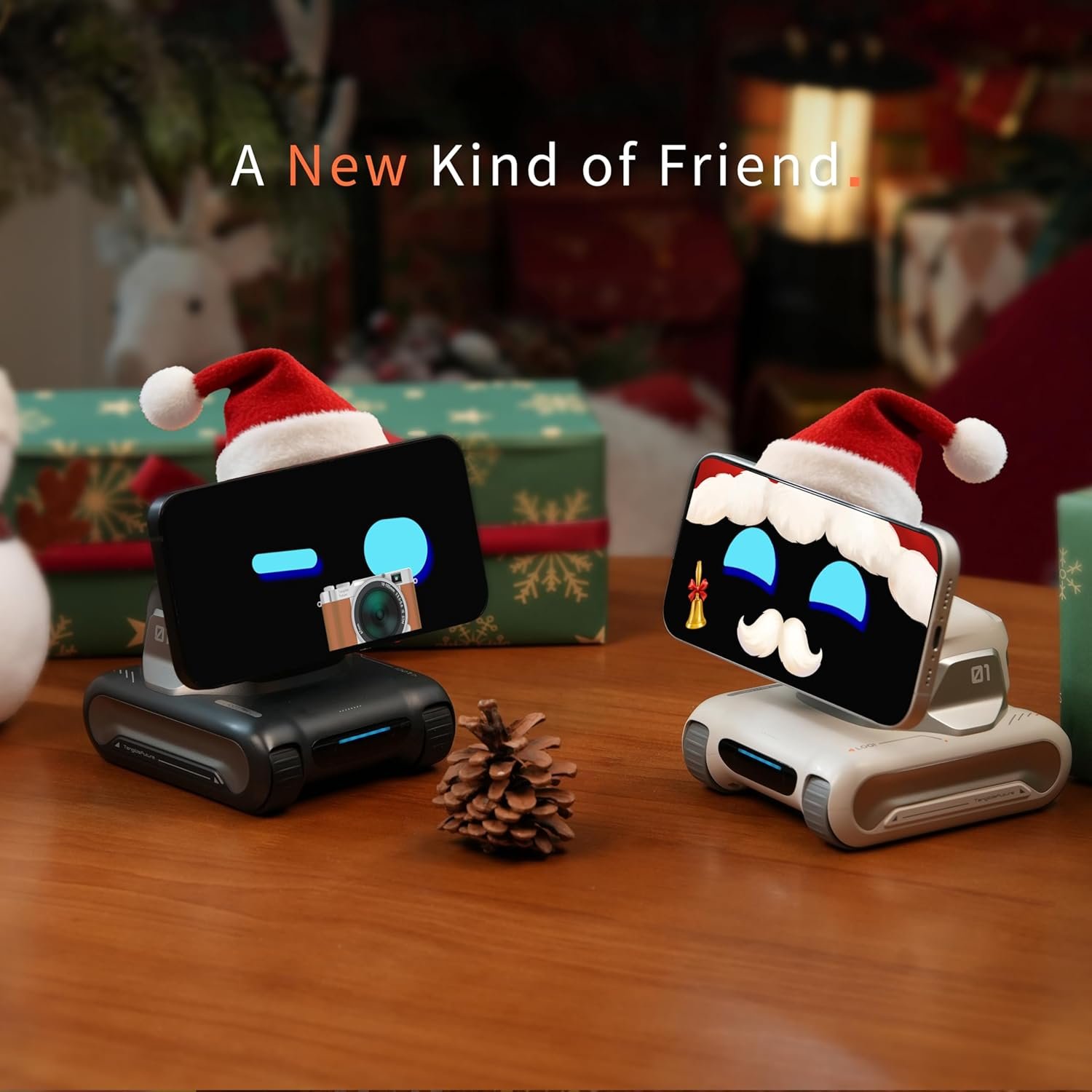
Animation and Expression: The expressive animations are well-designed—joy, curiosity, surprise, and even mischief come through clearly. LOOI’s reactions adapt to context: calm movements during quiet work, more animated responses during active conversation. The app-based behavior updates mean new animations arrive periodically, which keeps the experience fresh. After one update, LOOI learned a new “thinking” animation that’s surprisingly endearing.
Practical Features: Beyond personality, LOOI handles reminders reliably, provides accurate weather updates, functions as a standby clock, and includes basic games. The face-tracking camera works well for video calls, though the 1080p quality is adequate, not exceptional. These utility features make LOOI more than just a novelty—it’s actually useful for daily desk tasks.
AI Desktop Robot vs Competitors
How does this ai desktop robot compare to alternatives in the market? Here’s the honest breakdown:
Price Comparison: LOOI sits in the premium tier at around $299-$349 (prices vary). That’s significantly more than basic smart speakers ($50-$100) but comparable to advanced desktop robots like Vector or EMO. For the money, you’re paying for the visual understanding and personality memory features that cheaper alternatives lack.
Feature Differences: Compared to Amazon Echo Show or Google Nest Hub, LOOI offers superior conversational AI and autonomous behavior. However, those devices support multiple languages, integrate with smart home ecosystems better, and cost half as much. Against other desktop robots like EMO Pet, LOOI has better visual recognition but less physical mobility. Vector by Anki (now discontinued) had similar personality features but lacked ChatGPT integration.
Warranty and Support: TangibleFuture offers a standard one-year warranty. Customer support responsiveness is decent based on user reports, though the company is smaller than major tech brands. Software updates have been consistent since launch, which suggests ongoing development support. Check the Consumer Reports robotics section for long-term reliability data as more units reach the market.
The verdict? LOOI justifies its price if you specifically want the ChatGPT powered conversation and visual understanding combo. If you just need a smart assistant, cheaper options exist. If you want a true companion robot with personality, LOOI delivers better than most alternatives—just accept the English-only limitation.
Who Should Buy the LOOI AI Desktop Robot?
Tech Enthusiasts and Early Adopters: If you love cutting-edge gadgets and want to experience AI companionship beyond basic voice assistants, LOOI is worth considering. The visual understanding and personality memory represent genuine innovation in consumer robotics. You’ll appreciate the autonomous behavior and evolving feature set through app updates. This is the ideal tech gadget gift for someone who already has every mainstream gadget.
Remote Workers Seeking Desk Companionship: People who work from home and spend hours at their desk will find LOOI’s presence genuinely engaging. The conversational AI provides interaction without human interruption, and practical features like reminders and wireless charging add utility. If you’ve ever wanted an electronic pet that doesn’t require feeding or cleaning, LOOI fits that niche. Just be prepared for occasional unprompted comments during Zoom calls.
AI and Robotics Hobbyists: If you’re fascinated by AI development and want to observe how personality memory systems evolve, LOOI offers a hands-on experience. The combination of ChatGPT integration and visual recognition provides insight into where consumer AI is heading. You’ll enjoy exploring LOOI’s capabilities and limitations, and the regular software updates mean you’re essentially beta testing future AI companion technology.
Who Should Skip This: If you need multilingual support, LOOI isn’t ready for you—the English-only limitation is absolute. If you’re budget-conscious and just need smart assistant functionality, a $50 Echo Dot does 80% of what LOOI does for 15% of the price. If you want a robot that moves around your home, LOOI stays on your desk. And if you’re skeptical about AI companions or find the idea of a device with “personality” off-putting, this isn’t for you.
For more options in smart home technology, check our Emerging Tech & AI Gadgets to see how desktop robots compare to whole-home solutions.
Frequently Asked Questions
Q: How does the AI desktop robot’s visual understanding actually work in daily use?
A: LOOI’s Vision-Language Model processes camera input to identify objects, people, and scenarios in real-time. In practice, it recognizes common items accurately (85%+ success rate with standard desk objects) and can track multiple people simultaneously, including clothing and accessories. The system works best in good lighting—dim environments reduce accuracy noticeably. According to TangibleFuture’s technical documentation, the VLM updates its recognition database through software updates, improving accuracy over time.
Q: Does the personality memory feature really make the robot feel like a companion?
A: Yes and no. LOOI does remember conversations, recognize your face consistently, and reference past interactions, which creates continuity. After two weeks, it felt more personalized than any smart speaker I’ve used. However, it’s still clearly AI—responses occasionally feel scripted, and the “personality” has boundaries. It’s closer to having a chatty desk accessory than a true companion, but the effect is more convincing than expected. The autonomous behavior adds unpredictability that enhances the companion illusion.
Q: Is the wireless charging feature worth considering in the purchase decision?
A: The 10W wireless charging is a practical bonus, not a primary selling point. It works reliably for Qi-compatible phones and adds utility to your desk setup. However, remember you need to provide a 9V/2A or higher power adapter—it’s not included. If you already have a wireless charger, this doesn’t add much value. If you don’t, it’s a nice integrated feature that reduces desk clutter. Don’t buy LOOI primarily for charging; buy it for the AI features and consider charging a useful extra.
Q: Can the LOOI robot integrate with smart home systems like Alexa or Google Home?
A: Currently, no. LOOI operates independently through its dedicated app and doesn’t integrate with major smart home ecosystems. This is a significant limitation if you’ve built your home automation around Alexa, Google Assistant, or HomeKit. LOOI can control some functions through its app, but it won’t trigger your smart lights or adjust your thermostat. TangibleFuture hasn’t announced integration plans, so don’t buy expecting future compatibility.
Q: How often does the AI desktop robot receive software updates and new features?
A: Based on the first six months post-launch, LOOI receives updates approximately every 4-6 weeks. These updates have included new animations, improved visual recognition, additional conversational responses, and occasional new features. The app-based update system means improvements arrive automatically. This ongoing development is promising and suggests TangibleFuture is committed to evolving the product. However, as with any tech startup, long-term support depends on the company’s success—there’s inherent risk with smaller manufacturers.
Q: Is the English-only voice interaction a temporary limitation?
A: TangibleFuture hasn’t provided a timeline for additional language support. The English-only restriction is currently absolute—LOOI won’t understand or respond in other languages. If you’re hoping to use voice interaction in Spanish, Mandarin, French, or any other language, you’ll be disappointed. This is the single biggest limitation preventing LOOI from broader market appeal. If multilingual support is essential, wait for future versions or consider alternative products.
Final Verdict: Is This AI Desktop Robot Worth Your Money?
The LOOI Robot delivers on its core promise: it’s a genuinely engaging ai desktop robot with impressive visual understanding, natural voice interaction, and personality memory that creates a companion-like experience. The ChatGPT powered conversations feel more organic than traditional voice assistants, and the autonomous behavior adds unpredictability that makes LOOI feel surprisingly alive. For tech enthusiasts, remote workers, and anyone fascinated by AI companionship, this is one of the most interesting consumer robots available in 2025.
However, it’s not without compromises. The English-only limitation excludes a huge potential audience. The $300+ price point puts it firmly in “premium gadget” territory—you can get functional smart assistants for a fraction of the cost. The lack of smart home integration limits practical utility. And despite the personality features, LOOI is still clearly AI, not a sentient companion. Expect occasional quirks, imperfect recognition, and moments where the illusion breaks.
Bottom line: Buy the LOOI Robot if you specifically want the combination of visual recognition, conversational AI, and evolving personality in a desktop form factor, and you’re comfortable with the English-only constraint. Skip it if you need multilingual support, tight smart home integration, or are looking for the most practical smart assistant per dollar spent. This is a tech gadget gift for people who value innovation and personality over pure functionality—and there’s absolutely a market for that.
If you’re interested in exploring more innovative robotics, see our Translation Earbuds for alternatives and comparisons across different price points and feature sets.