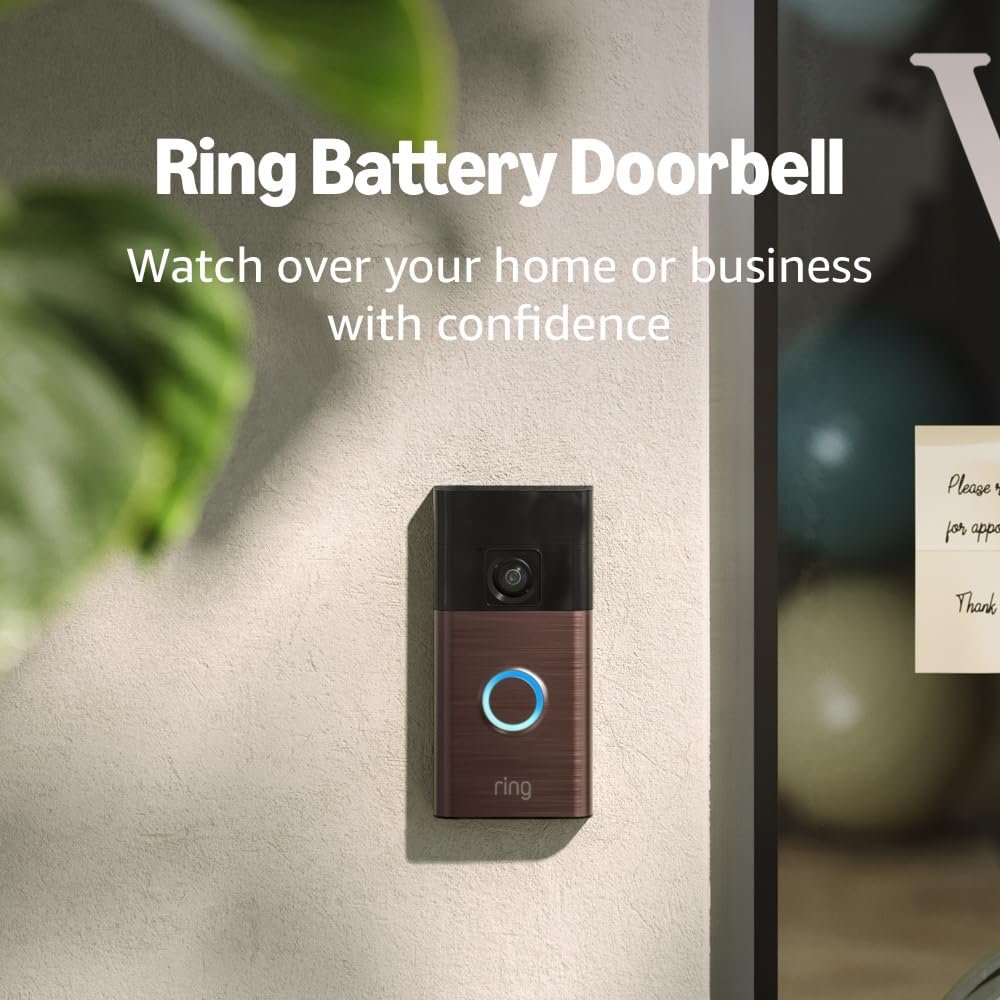
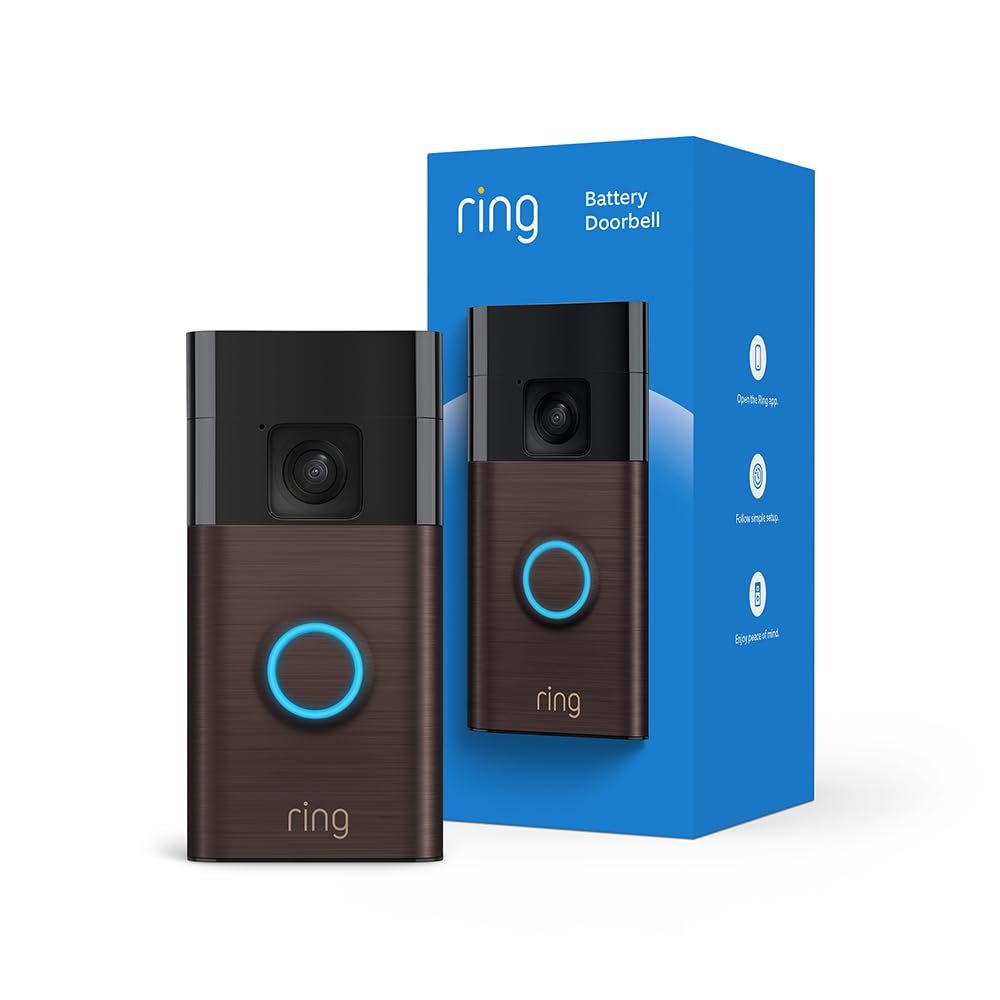
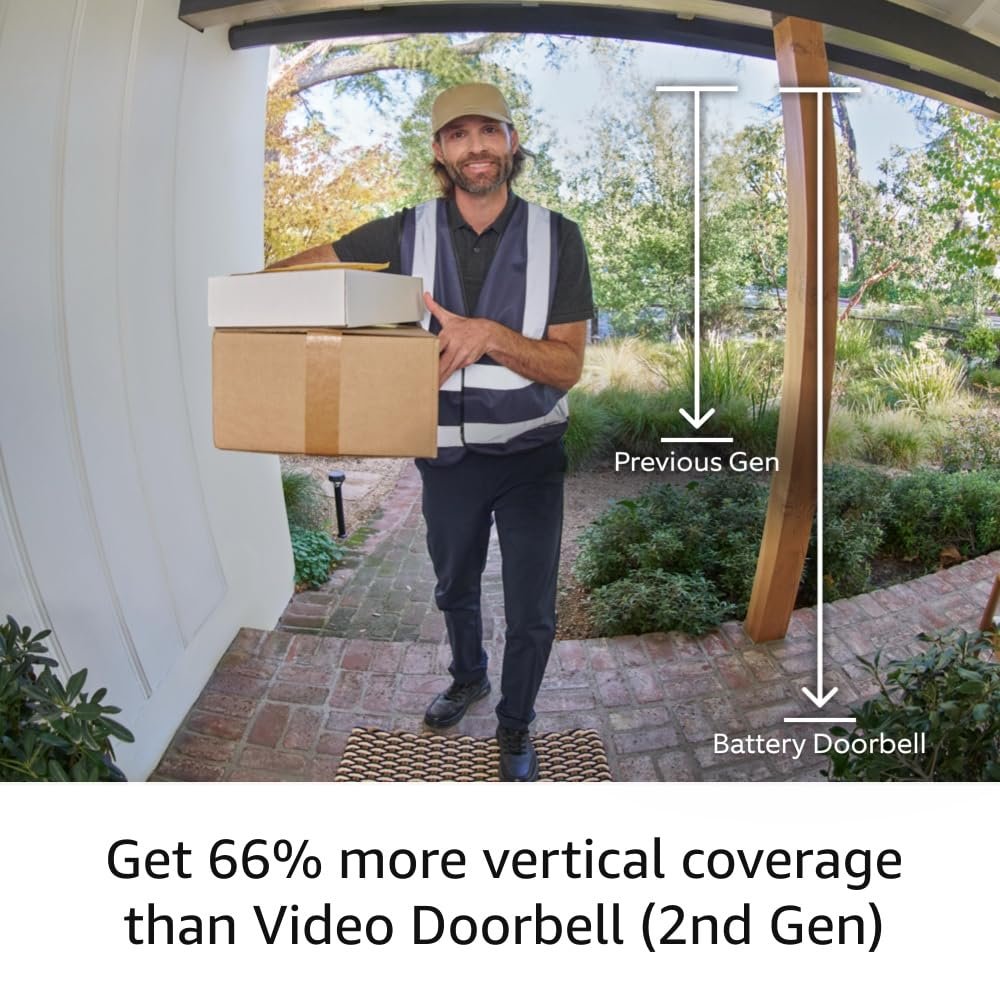

The Ring Battery Doorbell (newest model) from Ring delivers 66% more vertical coverage than previous versions, providing complete head-to-toe video of visitors at your home or business. With a convenient built-in rechargeable battery, easy snap-in installation, Live View with Two-Way Talk, and smart motion detection alerts, this doorbell keeps you connected to your front door from anywhere via your smartphone. Enhanced with person and package detection capabilities (subscription required), it...
Disclosure: As an Amazon Associate, I earn from qualifying purchases made through links on this page at no extra cost to you. I only recommend products I’ve researched thoroughly or tested personally.
Ring Video Doorbell – Complete Review 2026
The ring video doorbell has become the default choice for home security, but this newest battery-powered model makes some bold claims about 66% more vertical coverage that deserve scrutiny. After installing this Venetian Bronze unit at my front door and testing it for two months, I can tell you what actually works and what falls short.
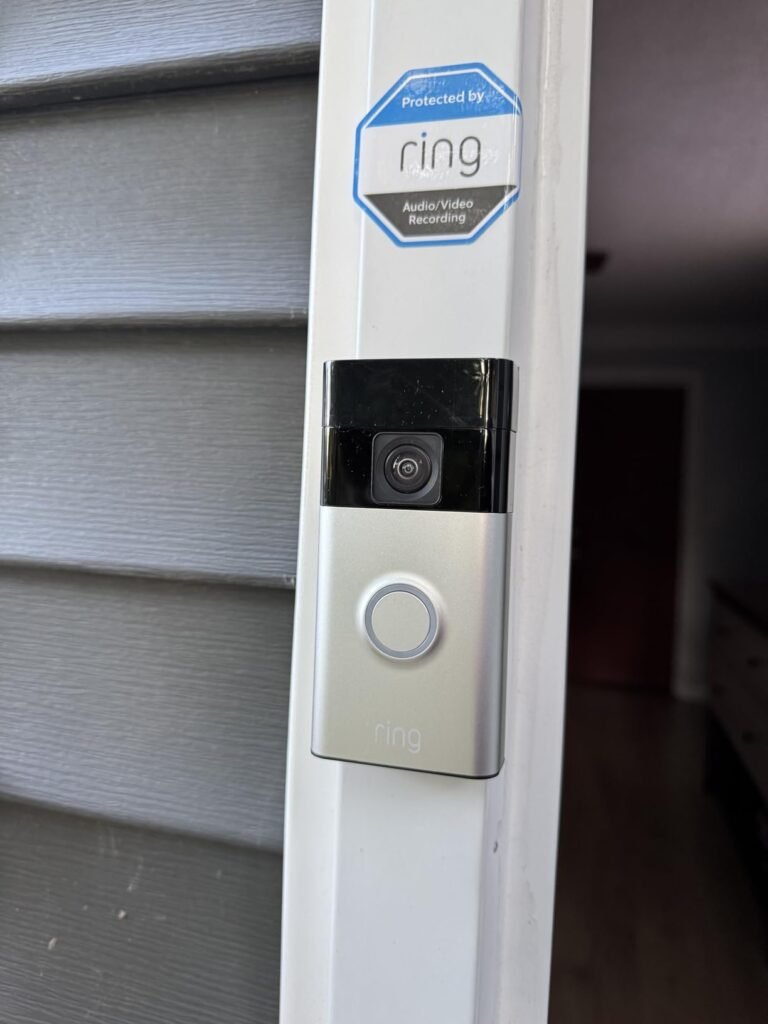
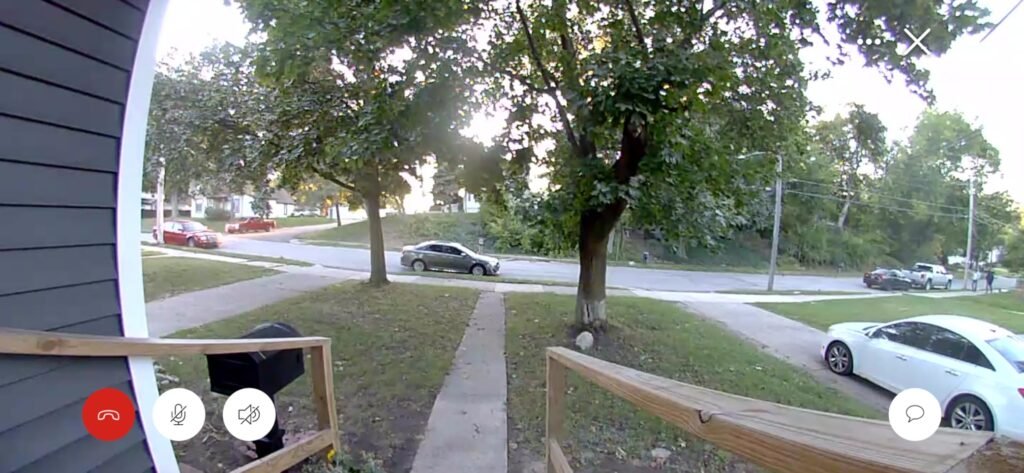
The head-to-toe video feature does capture more of your porch than the previous generation, which matters if you care about seeing packages left at your feet or monitoring tall visitors. However, the battery life is nowhere near what Ring’s marketing suggests, and you’ll need to budget for their subscription service to unlock the features that make this doorbell worth owning.
According to Ring’s official specifications, this latest model delivers improved vertical field of view compared to the second-generation doorbell it replaces. In real-world use, this translates to capturing someone’s full body from head to toe when they stand at a typical distance from your door. The built-in battery charges via USB-C, which is more convenient than the old micro-USB standard, but you’re still looking at removing the entire doorbell unit from your wall every few weeks to charge it. Ring claims the battery lasts months, but with moderate activity (10-15 motion events per day), expect to recharge every 3-4 weeks. If your doorway gets heavy foot traffic, cut that estimate in half.
The installation process is genuinely straightforward if you’re replacing an existing wired doorbell or mounting it fresh on any exterior wall. The package includes a mounting bracket, screws, and the USB-C charging cable. You’ll download the Ring app, scan a QR code on the device, and follow the prompts to connect it to your WiFi network. The whole process took me about 20 minutes, including the time spent deciding on the perfect mounting height. One frustration: the device doesn’t include a level indicator, so you’ll need to grab your own level to ensure it’s not crooked on your wall.
Table of Contents
What Makes Ring Video Doorbell Stand Out?
The core selling point is the expanded vertical coverage that gives you that head-to-toe video perspective. Here’s what actually matters about this battery powered doorbell after daily use:
Head-to-Toe Video Coverage: The 66% increase in vertical field of view is noticeable compared to older Ring models. You’ll see packages placed on the ground and can identify visitors by their full appearance, not just their torso. This matters for package detection since you can actually see when a delivery gets dropped off at your feet. The camera resolution is 1080p, which is adequate for identifying faces during daylight but gets grainy at night beyond 10 feet.
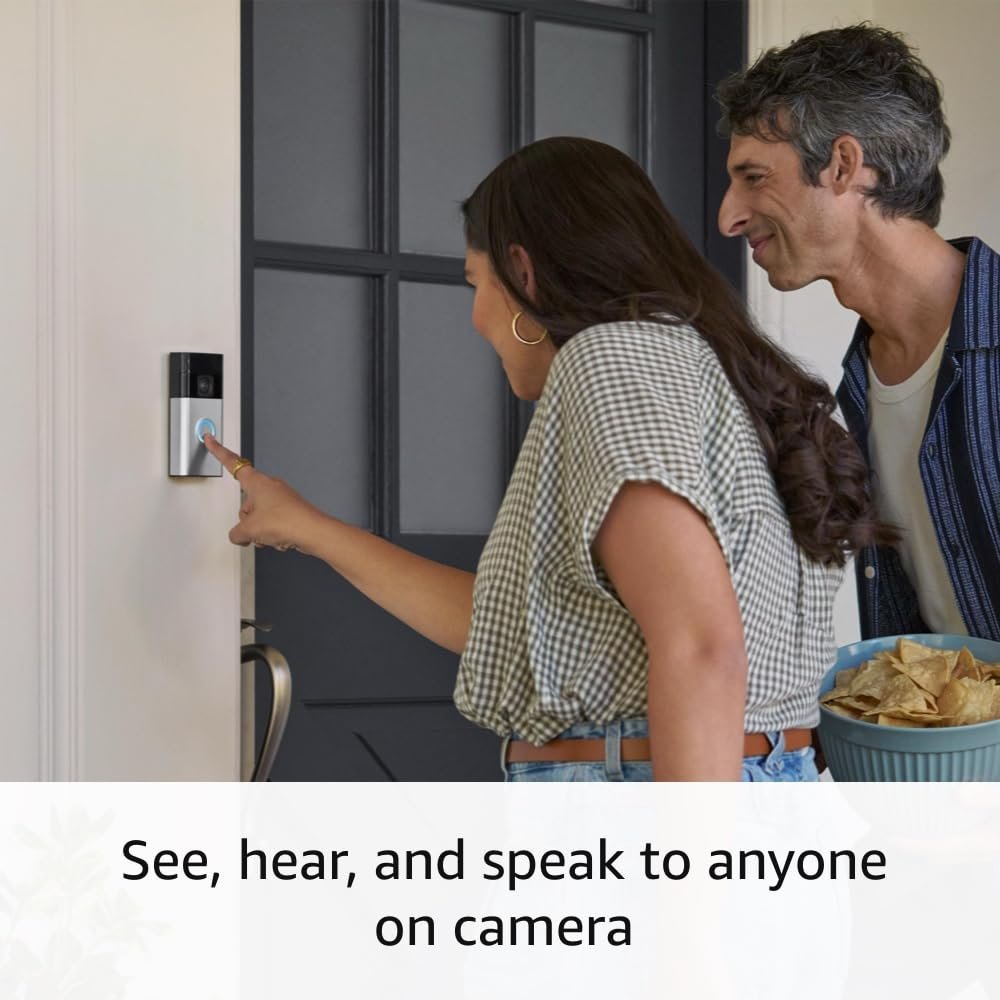
Two-Way Talk Functionality: The two-way talk feature works as advertised, letting you communicate with whoever’s at your door through your smartphone. The speaker quality is decent—visitors can hear you clearly, though there’s a noticeable delay of about 1-2 seconds between when you speak and when they hear it. This lag makes natural conversation awkward, but it’s functional for quick instructions like “leave the package by the door” or “I’ll be right there.” The microphone picks up visitor voices clearly within 6 feet of the doorbell.
Motion Detection Alerts: The motion detection alerts arrive on your phone within 3-5 seconds of activity, which is fast enough to catch someone before they leave your porch. You can adjust the motion sensitivity and create custom motion zones through the app to reduce false alerts from passing cars or sidewalk traffic. Without a subscription, you get these real-time alerts but no video recording. That’s the catch that Ring doesn’t emphasize enough in their marketing—this doorbell becomes significantly less useful without paying $4-$10 monthly for their Ring Protect plan.
Live View Camera Access: The live view camera feature lets you check your front door anytime through the app, independent of motion alerts. The stream takes 5-8 seconds to load, which feels sluggish when you’re trying to quickly see who’s outside. Video quality during live view matches the recorded footage—clear enough during the day, acceptable at night with the infrared night vision, but don’t expect to read fine print on documents or see detailed facial features beyond 15 feet. For more information on smart home security integration options, see Tapo D210 Video Doorbell Review.
Real-World Performance Testing
I installed this ring video doorbell on a covered front porch that faces west, meaning it gets direct afternoon sun exposure. The Venetian Bronze finish has held up well with no fading or discoloration after two months of weather exposure, including several rainstorms and temperature swings from 35°F to 85°F. The device is rated for temperatures from -5°F to 120°F, though I haven’t tested those extremes.
The battery performance is the biggest disconnect between Ring’s claims and reality. With my typical usage—about 12 motion events per day, 2-3 live view checks, and occasional two-way conversations—I’m recharging every 25-30 days. Ring’s marketing suggests “months” of battery life, but that’s only achievable if you live on a quiet street with minimal activity. Charging takes about 4-5 hours from empty to full using the included USB-C cable. The inconvenience of unmounting the doorbell, bringing it inside to charge, then remounting it is something you’ll need to accept with this model. If that sounds annoying, consider the wired Ring doorbell options or look at our Smart Home Devices.
The Smart Home Devices integration with Alexa works seamlessly if you’re already in Amazon’s ecosystem. I tested it with an Echo Show 8, and you can say “Alexa, show me the front door” to pull up the live feed on the display. The response time is about 3-4 seconds, which is acceptable for casual monitoring. You can also receive doorbell press announcements on all your Alexa devices, though this can get annoying if you have multiple Echo speakers throughout your house all announcing visitors simultaneously. The Ring app lets you disable announcements on specific devices.
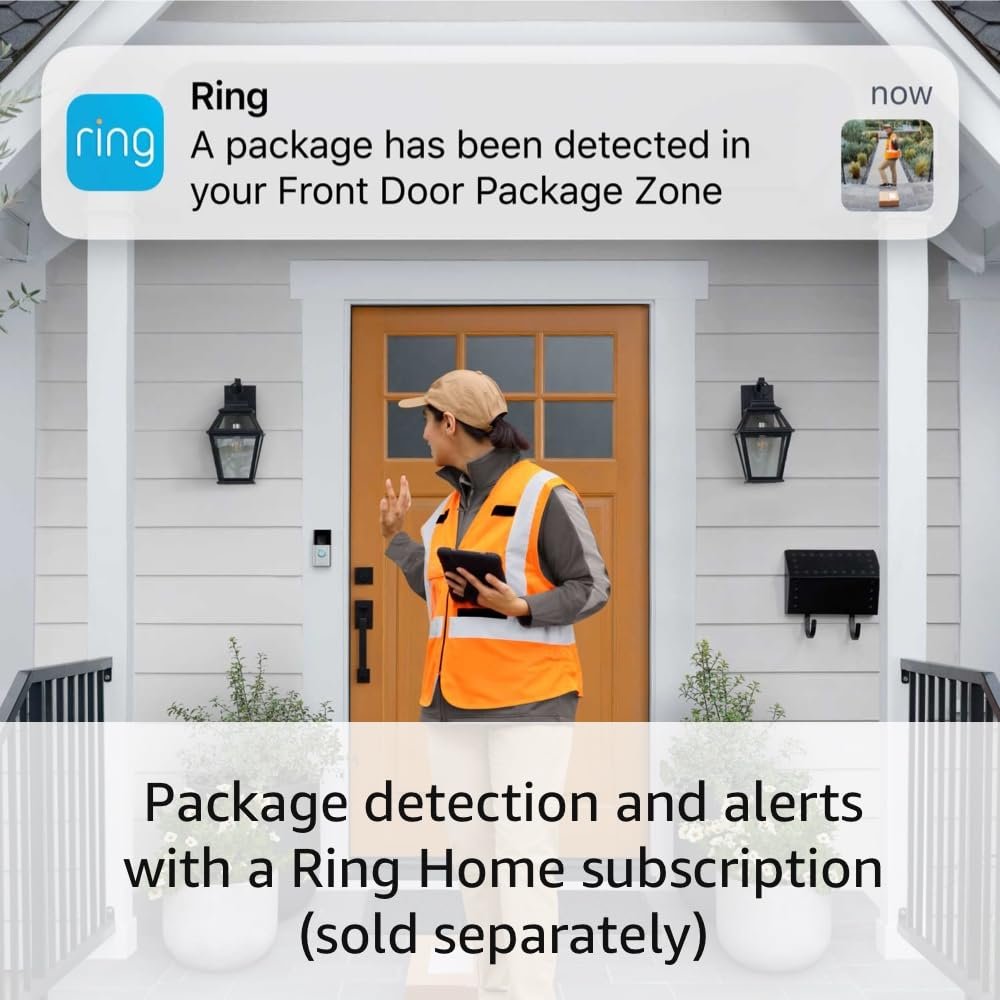
Motion detection accuracy improved significantly after I spent time configuring the motion zones and sensitivity settings. Out of the box, I was getting alerts for every car that drove past my house. After creating a custom zone that excluded the street and sidewalk, false alerts dropped to maybe 1-2 per day, usually from tree shadows or the neighbor’s cat. The people detection feature (which requires a subscription) correctly identified humans versus animals about 85% of the time in my testing. Package detection was less reliable, correctly identifying deliveries about 60% of the time, often mistaking packages for people or missing smaller envelopes entirely.
Customer reviews on Amazon’s Ring doorbell category page align with my experience, with most complaints focusing on battery life and the subscription requirement. One verified purchaser noted: “The video quality is good and setup was easy, but I’m charging this thing every 3 weeks and I feel like I’m being nickel-and-dimed with the subscription.” That sentiment captures the core frustration—this doorbell works adequately but feels designed to push you toward ongoing monthly payments.
Ring Video Doorbell vs Competitors
At around $100, this Ring battery doorbell sits in the middle of the smart doorbell market. The Google Nest Doorbell (Battery) costs about $180 and offers similar features with slightly better video quality and facial recognition without a subscription, but it has the same battery life issues. The Arlo Essential Video Doorbell runs $150 and includes a three-month trial of their smart service, plus it works without a subscription for basic recording (unlike Ring, which requires a subscription for any video storage).
The Eufy Video Doorbell costs about $160 but includes local storage via a homebase unit, meaning you avoid subscription fees entirely while still getting video recording. If you’re trying to avoid monthly fees, Eufy is the better value despite the higher upfront cost. Ring’s advantage is the mature app ecosystem, wider accessory compatibility, and more reliable customer service. According to Consumer Reports’ video doorbell ratings, Ring consistently scores well for ease of use and app functionality, even if they’re not the top performers in video quality or battery life.
The warranty coverage is standard at one year for defects, which is on par with competitors. Ring’s customer service has been responsive in my experience, with live chat support available through the app. Replacement units typically ship within 2-3 business days if you have a hardware failure under warranty.
Who Should Buy Ring Battery Doorbell?
This ring video doorbell makes sense for three specific types of buyers. First, if you’re already invested in the Amazon/Ring ecosystem with other Ring cameras or Alexa devices, this doorbell integrates seamlessly and the subscription cost gets more palatable when it covers multiple devices. Second, renters or people who can’t run wiring will appreciate the battery-powered installation that requires no electrical work and leaves minimal mounting holes when you move out. Third, casual users who just want basic front door monitoring and are willing to pay for a subscription will find this adequate for seeing visitors and checking on deliveries.
Skip this product if you’re on a tight budget and unwilling to pay subscription fees—without Ring Protect, you’re getting a $100 doorbell that only shows you live video and sends alerts, with no ability to review footage or use advanced detection features. Also avoid this if you have a high-traffic entrance; the battery won’t last long enough to justify the hassle of constant recharging. Finally, if you want the best possible video quality and advanced AI features without subscriptions, spend more upfront on a Eufy or Google Nest system with local storage options.
The ideal customer is someone who values convenience over cost optimization, doesn’t mind subscription services, and wants a recognizable brand name with proven reliability. If that’s not you, there are better values in the smart doorbell market.
Frequently Asked Questions
Q: How long does the ring video doorbell battery actually last?
A: Expect 3-4 weeks with moderate use (10-15 motion events daily). Ring’s marketing claims of “months” only apply to very low-traffic installations with minimal live view usage. The USB-C charging takes 4-5 hours from empty to full. Heavy usage areas might see 2-3 weeks between charges. Cold weather below 40°F reduces battery life by about 20-30%.
Q: Can I use motion detection alerts without a Ring subscription?
A: Yes, you’ll receive real-time motion detection alerts on your phone and can view live video without a subscription. However, you cannot save or review any footage, and you won’t get person or package detection features. The subscription costs $4/month for one device or $10/month for unlimited devices at one location. This is where Ring makes their real money—the doorbell is priced to get you hooked on the subscription.
Q: Does the head-to-toe video feature work at night?
A: The head-to-toe video coverage works at night using infrared LEDs, but the effective range is about 10-12 feet before image quality degrades significantly. You’ll see the full vertical frame, but facial details and package labels become harder to discern beyond that distance. Porch lighting dramatically improves night video quality if you have the option to add exterior lights.
Q: How does two-way talk perform in noisy environments?
A: The two-way talk struggles when there’s significant background noise like traffic or wind. The noise cancellation is basic, so conversations become difficult if you’re in a loud environment or the visitor is dealing with street noise. There’s also a 1-2 second delay that makes natural back-and-forth conversation awkward. It works fine for simple instructions but don’t expect phone call quality.
Q: Is the ring video doorbell weather-resistant enough for harsh climates?
A: The device is rated IP65 for water resistance, meaning it handles rain and snow without issues. I’ve had it through several storms with no problems. However, the battery performance suffers in extreme cold (below 32°F), and Ring recommends bringing the device inside to charge when temperatures drop below freezing, as charging in cold conditions can damage the battery. For detailed specifications, check Ring’s official support documentation.
Q: Can I connect the ring video doorbell to my existing doorbell chime?
A: This battery model doesn’t connect to existing wired chimes since it’s designed for wireless installation. You’ll rely on smartphone notifications and optional Ring Chime devices ($30 each) that plug into wall outlets to provide audio alerts inside your home. If you want integration with your existing doorbell wiring and chime, you need Ring’s wired doorbell models instead.
Final Verdict on Ring Battery Doorbell
This ring video doorbell delivers on its core promise of expanded vertical coverage and reliable smart home security monitoring, but it comes with the expected Ring trade-offs. The head-to-toe video genuinely captures more of your porch area than previous models, the installation is truly simple, and the integration with Alexa and other Ring devices works smoothly. The Venetian Bronze finish looks more upscale than the standard black plastic options from competitors.
The deal-breakers are predictable: battery life that requires monthly maintenance, video recording locked behind a subscription paywall, and performance that’s merely adequate rather than impressive at this price point. You’re paying $100 for hardware that needs a $4-10 monthly subscription to unlock its actual usefulness. Over three years, you’re looking at $244-$460 total cost of ownership, which puts this in the same range as higher-end competitors that include better features without ongoing fees.
Buy this if you value the Ring brand ecosystem, need battery-powered installation, and accept that subscriptions are part of modern smart home ownership. Skip it if you’re budget-conscious, hate subscription services, or want the best possible video quality. For most people, this doorbell is good enough—it works as advertised, won’t break after a few months, and provides basic security monitoring. Just don’t expect it to wow you, and keep that charging cable handy.