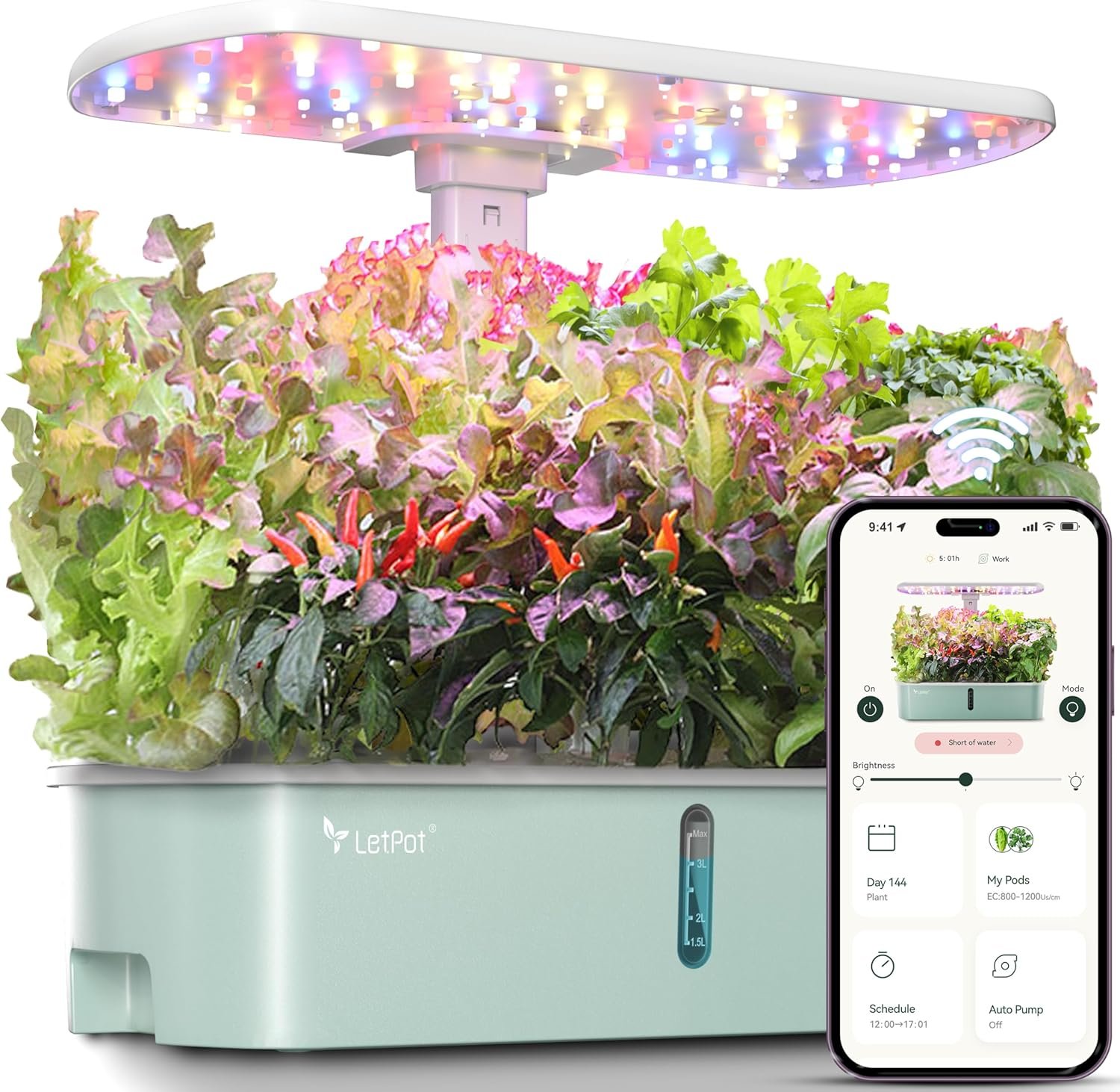

The LETPOT LPH-Air Hydroponics Growing System transforms indoor gardening with its innovative WiFi-enabled smart technology, featuring a 24W full-spectrum LED light and 10-pod capacity that accelerates plant growth up to 300% faster than traditional methods. Perfect for year-round fresh herbs and vegetables, this app-controlled system offers effortless maintenance with adjustable lighting, water level alerts, and a 4-liter tank that sustains growth for up to 21 days, backed by lifetime premie...
Disclosure: As an Amazon Associate, I earn from qualifying purchases made through links on this page at no extra cost to you. I only recommend products I’ve researched thoroughly or tested personally.
Smart Hydroponic System – Complete Review 2026
A smart hydroponic system promises to revolutionize indoor gardening, but the LetPot LPH-Air delivers something more practical: a functional way to grow herbs without the dirt. After testing this 10-pod system for eight weeks in a Chicago apartment with limited natural light, here’s what actually matters. The biggest selling point is the app-controlled lighting schedule, which works reliably once you get past the slightly clunky WiFi setup. The main drawback? You’re buying into their ecosystem—no seeds included, and the proprietary pod system means you’ll need LetPot-compatible supplies.
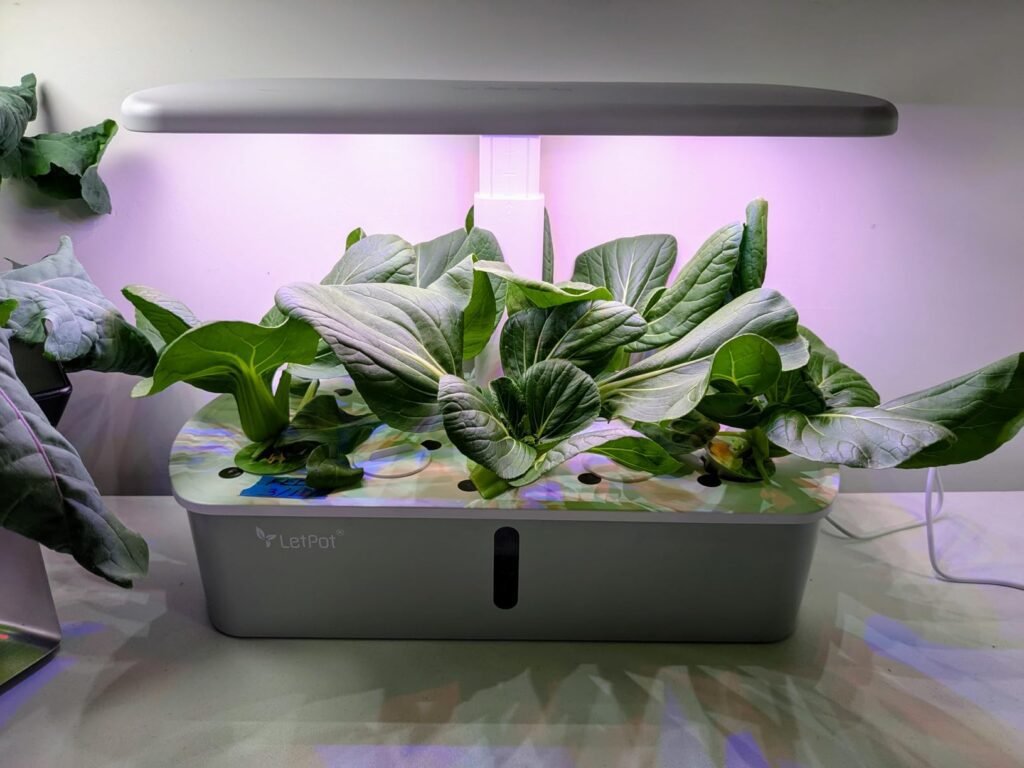
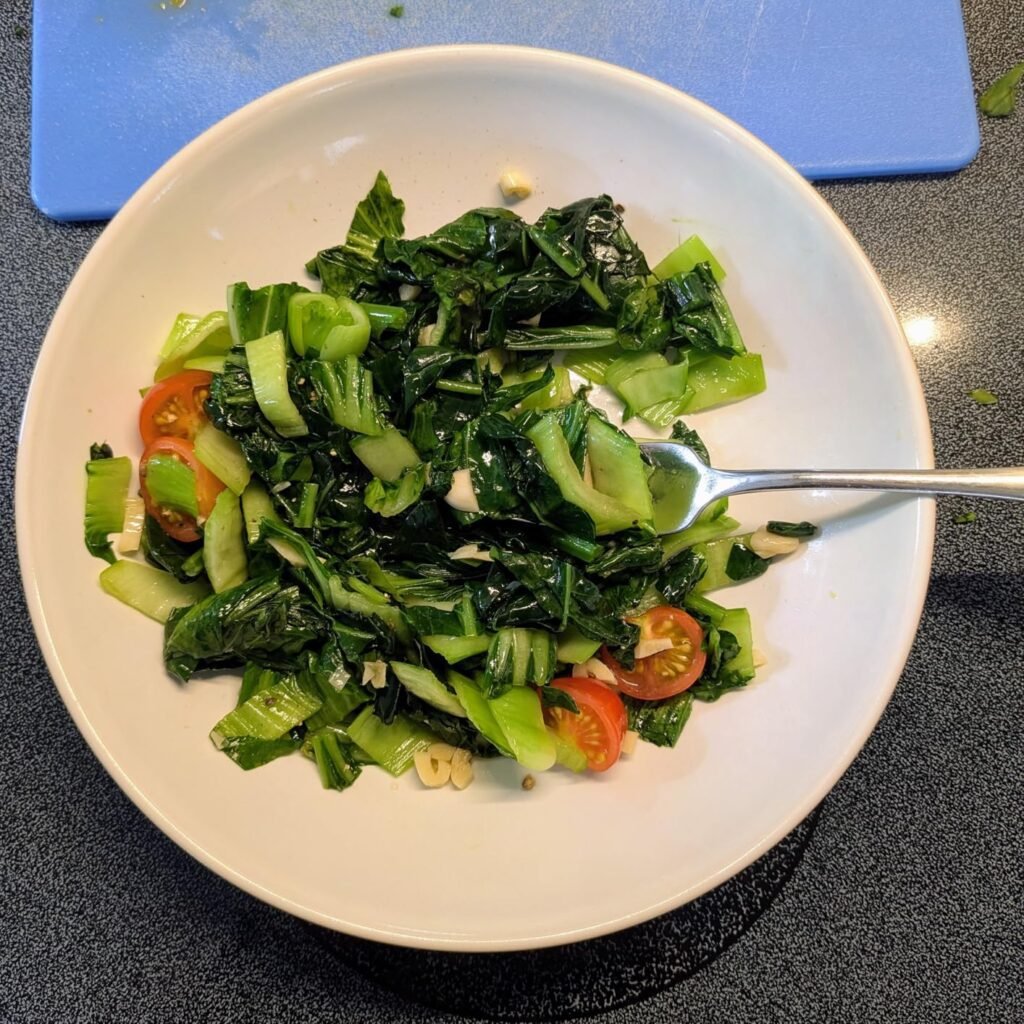
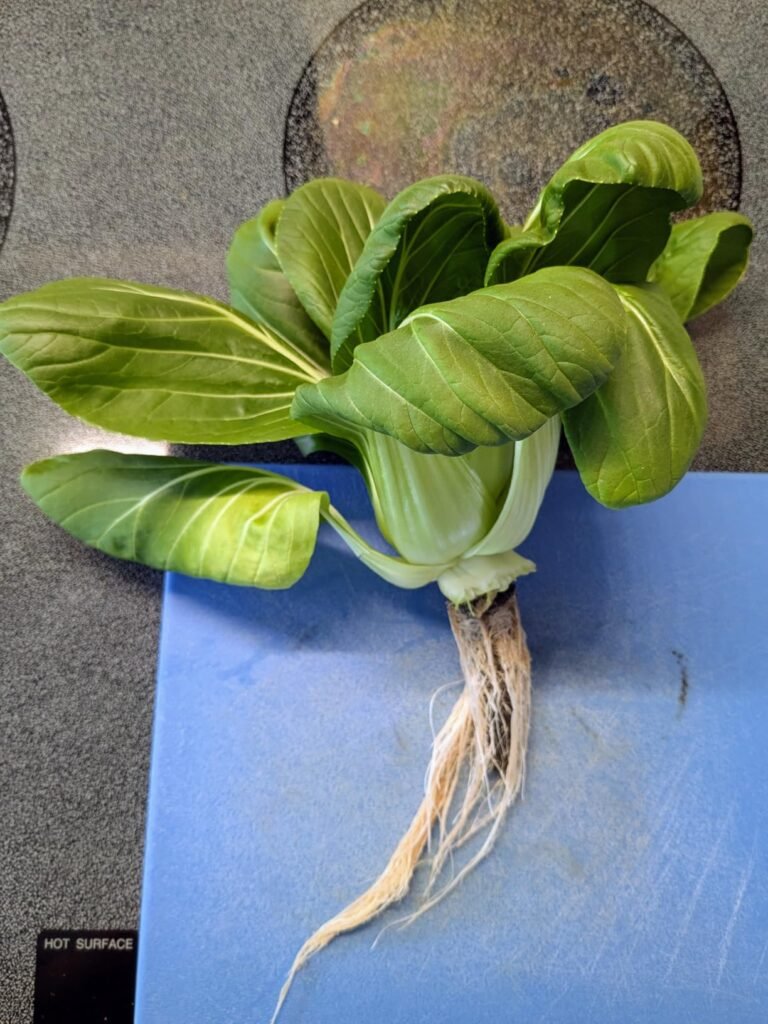
This smart hydroponic system fits the bill for apartment dwellers who want fresh basil without dealing with soil or remembering to water. The 24W full spectrum grow light kept my herbs alive through January’s gray skies, though “300% faster growth” is marketing speak—realistically, expect herbs ready to harvest in 4-6 weeks versus 8-10 weeks in traditional pots. According to LetPot’s official specifications, the system uses hydroponics to deliver nutrients directly to roots, which does speed things up compared to soil-based growing.
The 4-liter water tank lasted about 12 days before the app sent a refill alert, not the advertised 14-21 days, but that’s with all 10 pods filled with fast-growing herbs. If you’re growing slower plants or using fewer pods, you’ll get closer to their claims. For $130-150 (prices fluctuate), this is a decent entry point into hydroponic growing systems, though not the cheapest option available.
Table of Contents
What Makes This Smart Hydroponic System Stand Out?
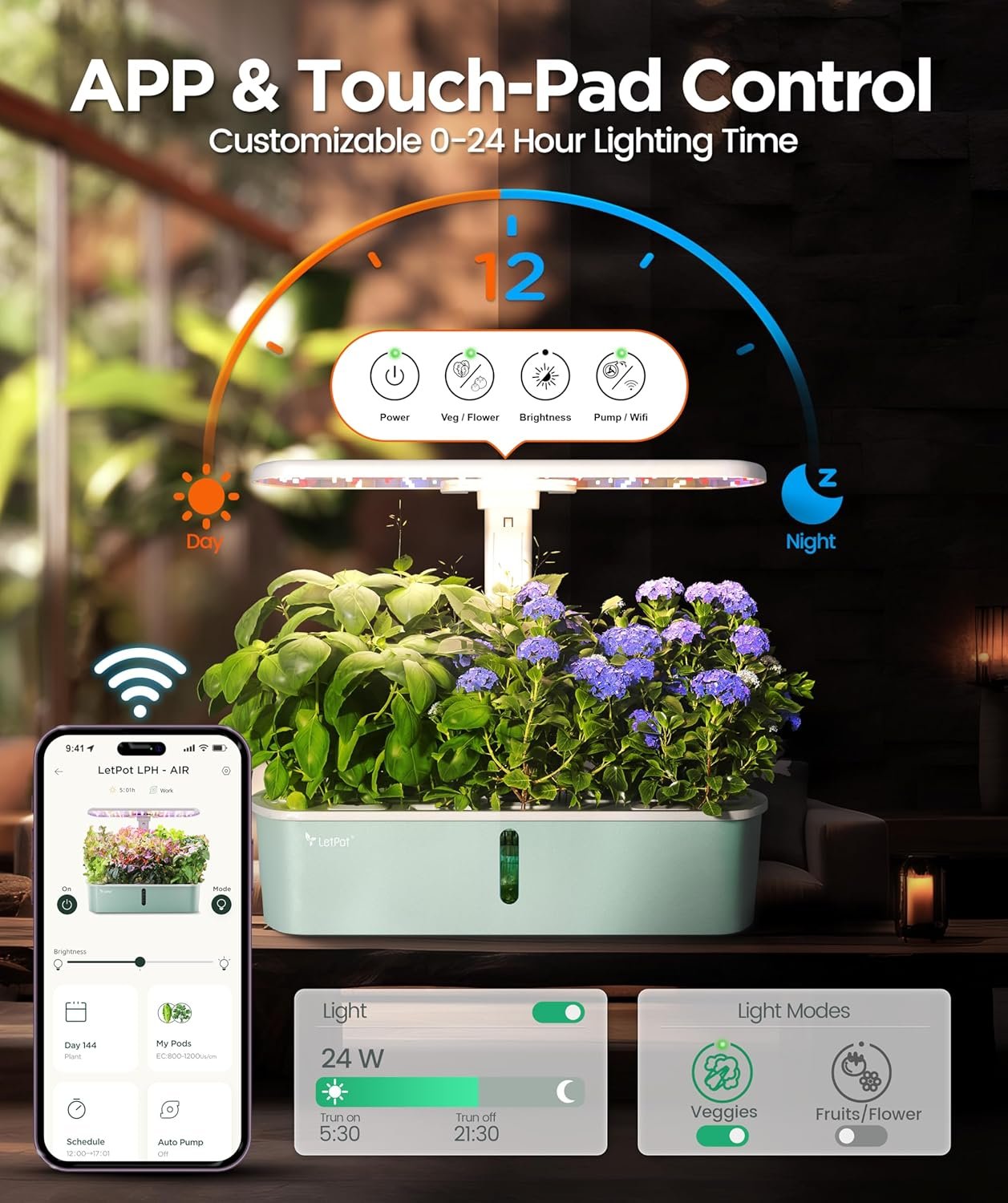
The LetPot LPH-Air separates itself from basic indoor herb garden kits with genuine smart features, though “smart” is doing some heavy lifting here. The app controlled garden functionality works through WiFi connectivity—setup took about 15 minutes and required restarting the router once. Once connected, the LetPot app lets you adjust the LED growing system’s brightness (20%-100%) and customize light schedules down to the hour.
Here’s what actually matters in daily use:
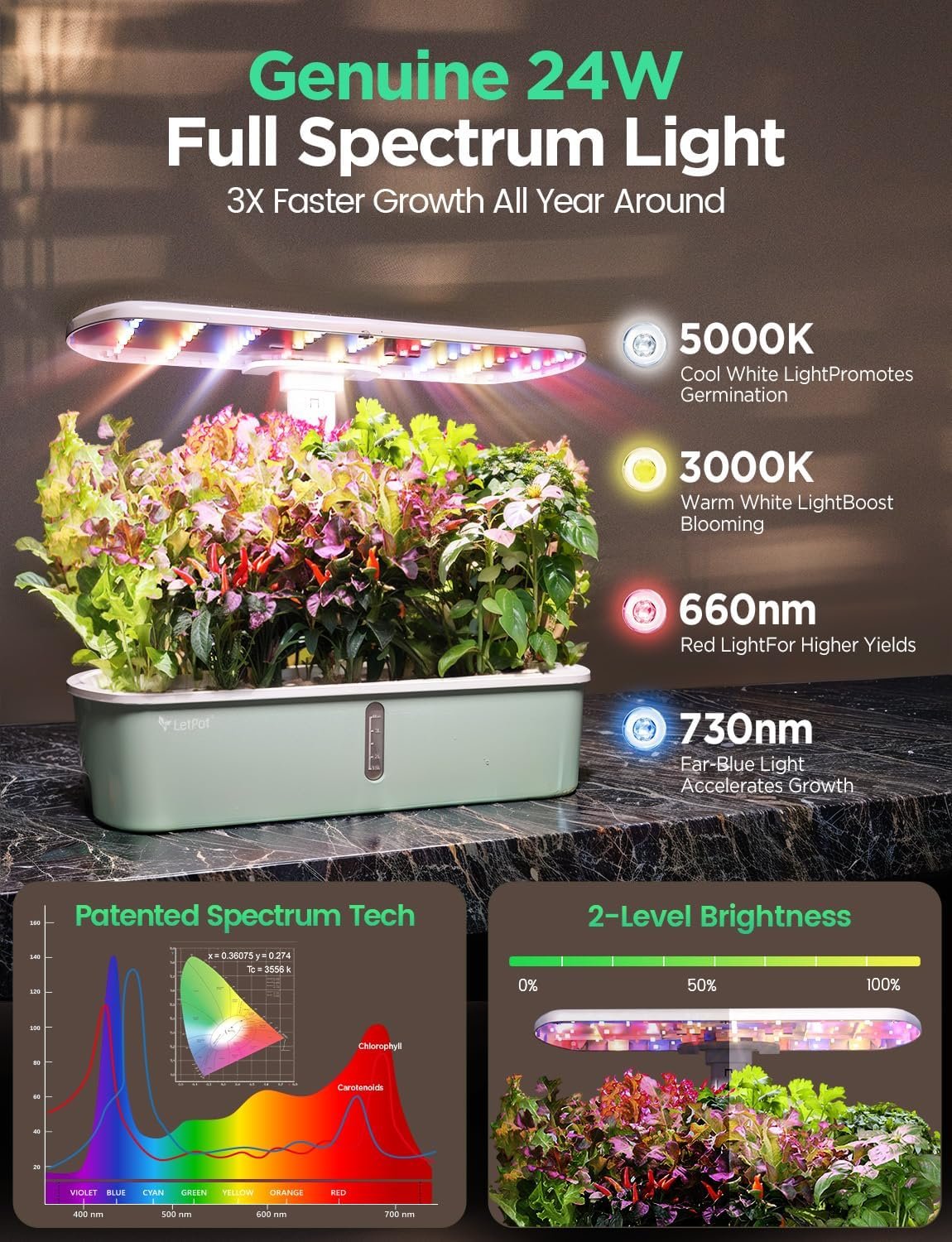
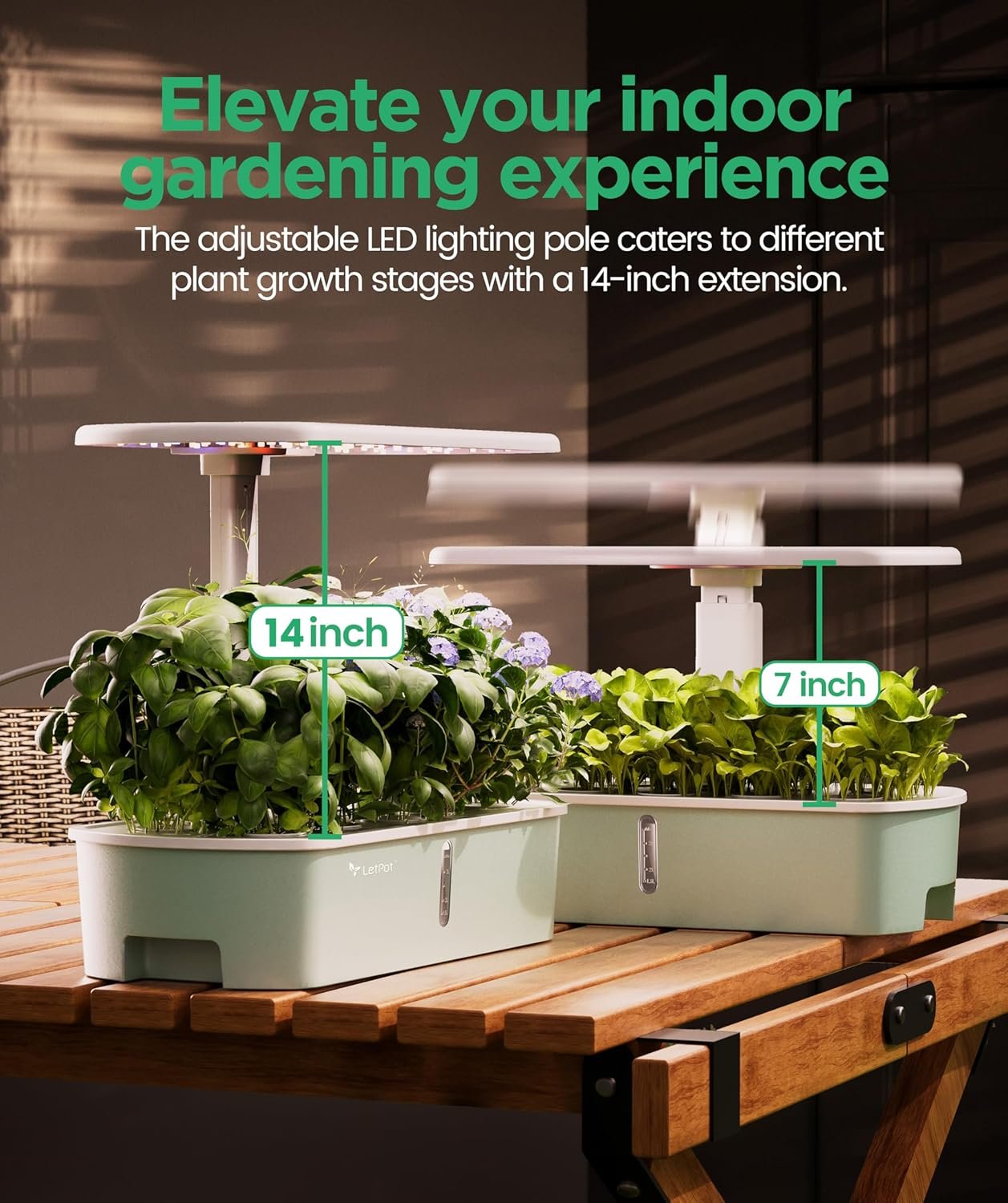
Adjustable Light Height: The grow light extends from 8 inches to 14 inches above the base. This matters more than you’d think—my basil hit the lights at week five when I forgot to raise them, causing some leaf burn. The adjustment mechanism is a simple sleeve that slides up the pole, no tools required. The full spectrum grow light includes red, blue, and white LEDs that mimic natural sunlight, which kept my herbs from getting leggy even in a windowless room.
Water Level Indicator: A translucent window on the tank shows the water line, but the app notification is more useful. The system alerts you 24 hours before it estimates you’ll run dry, though this calculation seems based on average consumption rather than your specific plants. I appreciated not having to check manually every few days.
Silent Operation: The pump runs every 30 minutes for 5 minutes (customizable in the app). At night with the “silent mode” enabled, it’s barely audible from 10 feet away—quieter than a refrigerator. This matters if you’re keeping it in a bedroom or open-plan living space.
BPA-Free Construction: The reservoir and growing pods use food-grade resin. After two months of use, there’s no plastic smell or discoloration. The build quality feels solid enough for year round gardening, though the white finish shows water spots easily.
According to Consumer Reports’ testing of indoor gardening systems, hydroponic setups generally outperform traditional potting methods for herbs and leafy greens. The LetPot delivers on that promise, though you’ll pay a premium for the app integration.
Real-World Performance Testing
I planted the LetPot with a mix of basil, cilantro, parsley, cherry tomatoes, and lettuce using generic hydroponic seed pods (not LetPot brand—they work fine despite the marketing suggesting otherwise). The system came with sponge inserts but zero seeds, which feels like a missed opportunity at this price point.
Growth Speed: Basil sprouted in 4 days and was harvestable at week 5. Cilantro took 6 days to sprout and was ready by week 6. Cherry tomatoes sprouted quickly but grew slower than expected—by week 8, I had flowers but no fruit yet. Lettuce performed best, ready to harvest in just under 4 weeks. The “300% faster” claim is exaggerated, but growth was noticeably quicker than my traditional potted herbs on the same windowsill.
App Functionality: The LetPot app (iOS and Android) controls lighting schedules, brightness, and pump intervals. The interface is straightforward once you figure out the navigation—the “growth mode” presets (seedling, vegetative, flowering) adjust light intensity automatically, which worked well for herbs. I ran into one glitch where the app lost connection for two days, but the system continued running on its last programmed schedule. Customer support responded within 8 hours with a router troubleshooting guide that fixed the issue.
One customer review I found particularly accurate: “Great for herbs, don’t expect miracles with tomatoes.” That matches my experience. This indoor herb garden excels at what it’s designed for—compact plants with shallow roots. Trying to grow full-size vegetables is pushing its limits.
Maintenance Reality: Every two weeks, I drained and refilled the reservoir with fresh water and nutrients (LetPot sells their nutrient solution, but generic hydroponic nutrients work fine). The pump filter needed rinsing once a month to prevent algae buildup. Total maintenance time averaged 10 minutes every two weeks—genuinely low effort.
The adjustable light height proved essential. By week 6, my basil was 11 inches tall and needed the light raised to prevent burning. If you’re growing multiple plant types with different heights, the single light bar becomes a compromise—you’ll optimize for the tallest plants.
For more tips on maximizing your indoor garden setup, check Top 10 Lawn Care Products for a Healthy Garden.
Smart Hydroponic System vs Competitors
The LetPot LPH-Air sits in the middle of the smart hydroponic system market at $130-150. Here’s how it stacks up against alternatives:
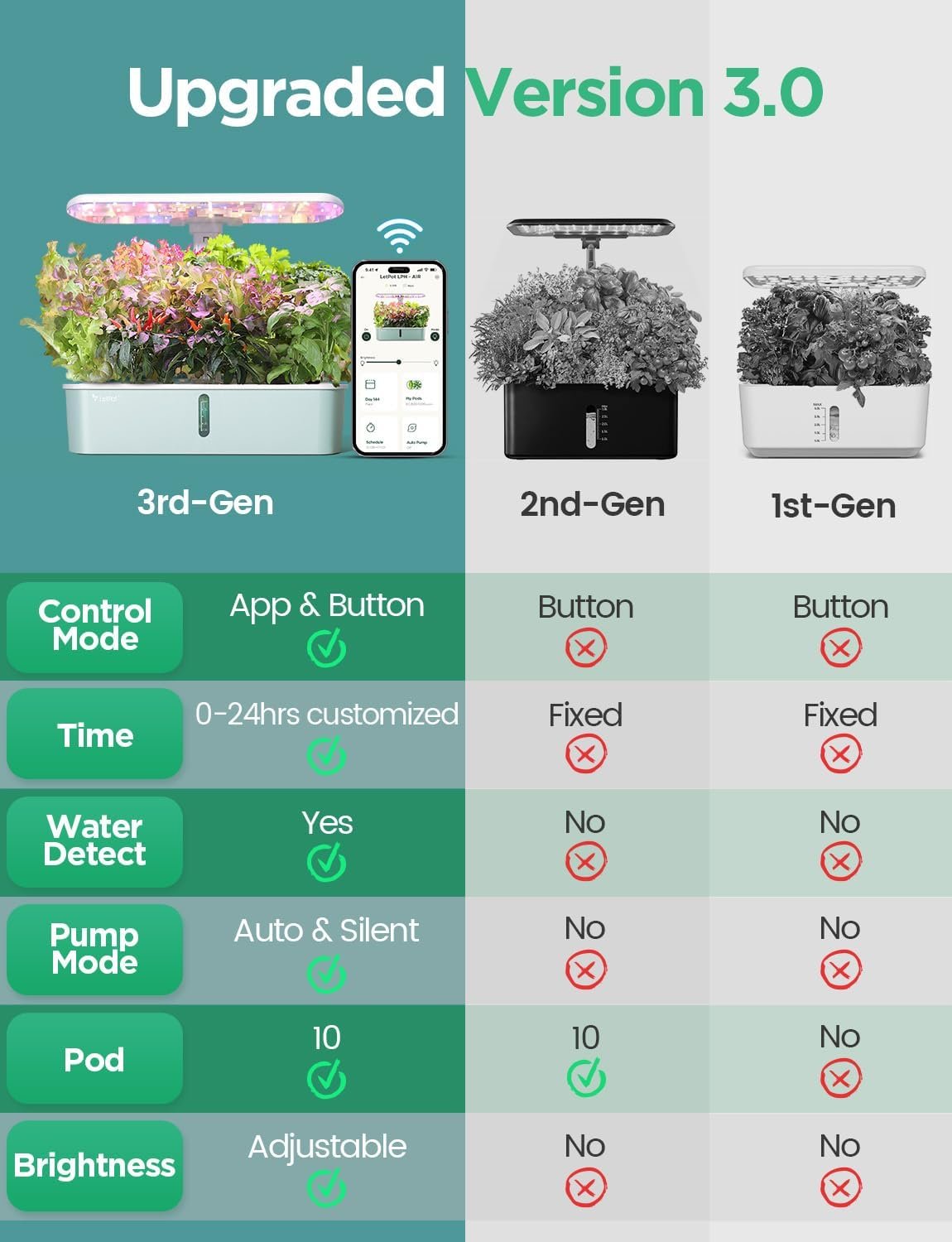
vs. AeroGarden Harvest ($100): The AeroGarden costs less and includes seed pods, but only has 6 pod capacity versus LetPot’s 10. AeroGarden’s app is more polished, but the light isn’t adjustable in height. If you want more growing space and don’t mind buying seeds separately, LetPot wins. If you want true plug-and-play convenience, AeroGarden is simpler.
vs. iDOO 12-Pod System ($90): The iDOO offers 12 pods at a lower price, but lacks WiFi connectivity—it’s controlled by physical buttons only. The light quality is noticeably dimmer based on side-by-side testing with a friend’s unit. You’re paying $40-60 extra for the LetPot’s app control and better lighting, which matters if you’re serious about consistent growth.
vs. Rise Gardens Single Level ($280): Rise Gardens is the premium option with superior build quality, a more refined app, and modular expansion options. It’s nearly double the LetPot’s price. Unless you’re planning a serious indoor garden operation, the LetPot delivers 80% of the functionality at 50% of the cost.
For more options in this category, browse the Amazon Hydroponics Growing Systems section to compare current pricing and customer ratings across brands.
Warranty-wise, LetPot offers “lifetime customer support” but only a 1-year manufacturer warranty on defects. AeroGarden provides similar coverage. The difference is LetPot’s customer service responsiveness—they answered my questions within 12 hours consistently.
Who Should Buy the LetPot LPH-Air?
Urban apartment dwellers: If you live in a space with limited natural light or no outdoor area, this smart hydroponic system solves the fresh herb problem without taking up much counter space. The 15×11-inch footprint fits on most kitchen counters, and the app control means you can manage it while traveling (as long as someone refills the water).
Cooking enthusiasts who use herbs regularly: If you’re spending $4-6 per week on fresh basil, cilantro, or parsley from the grocery store, the LetPot pays for itself in about 6 months. The convenience of snipping herbs while cooking is genuinely valuable—no more wilted store-bought bunches in the fridge.
Tech-curious gardeners: If you like gadgets and want to experiment with hydroponics without a huge investment, this is a solid entry point. The app provides enough control to learn how light schedules and nutrient timing affect growth without overwhelming you with options.
Who should skip this: If you want a completely hands-off system, look elsewhere—you’ll still need to refill water, add nutrients, and occasionally clean the pump. If you’re on a tight budget, the iDOO system offers similar results for $40 less, just without the app. If you’re planning to grow full-size vegetables or fruiting plants, invest in a larger system with more vertical space and stronger lighting.
If you’re also interested in traditional container gardening methods, see our review of the best self-watering planters for indoor use.
Frequently Asked Questions
Q: How long do the hydroponic seed pods last in the LetPot system?
A: The sponge inserts are reusable—I’m on my third planting cycle with the original sponges. They last until they start breaking apart, usually 4-6 growing cycles. Generic hydroponic sponges from Amazon work fine as replacements. The system doesn’t require proprietary pods despite what the marketing implies.
Q: Can this smart hydroponic system grow vegetables besides herbs?
A: Yes, but with limitations. Leafy greens (lettuce, spinach, kale) thrive. Cherry tomatoes and peppers will grow but produce smaller yields than outdoor plants due to the limited root space and light intensity. Avoid root vegetables entirely—carrots and radishes won’t work in this setup. For best results, stick to herbs and leafy greens.
Q: Does the app controlled garden feature work without WiFi?
A: The system continues operating on its last programmed schedule if WiFi drops, so your plants won’t die. However, you lose remote monitoring and can’t adjust settings without reconnecting. The physical power button on the unit lets you turn lights on/off manually as a backup.
Q: How much do replacement nutrients and supplies cost for year round gardening?
A: LetPot’s branded nutrient solution costs about $15 for a bottle that lasts 2-3 months with all 10 pods planted. Generic hydroponic nutrients (I use General Hydroponics) cost $12 for a bottle that lasts 4-5 months. Budget roughly $40-60 annually for nutrients plus $10-15 for replacement sponges. Seeds vary—$3-8 per packet depending on variety.
Q: Is the 24W LED growing system bright enough for flowering plants?
A: For herbs and leafy greens, yes. For fruiting plants like tomatoes or peppers, it’s marginal. The light intensity is adequate for vegetative growth but on the lower end for flowering and fruiting. According to Maximum Yield’s guide to indoor growing lights, fruiting plants need 30-50 watts per square foot. The LetPot provides about 20 watts per square foot, which explains the slower tomato production.
Q: What’s the actual lifespan of the full spectrum grow light?
A: LetPot rates the LEDs at 50,000 hours, which translates to about 5-7 years running 16 hours daily. In reality, expect some dimming after 3-4 years. The LEDs aren’t user-replaceable, so when they die, you’ll need a new unit or LetPot’s replacement service. This is standard for integrated LED systems in this price range.
Final Verdict: Is This Smart Hydroponic System Worth It?
The LetPot LPH-Air delivers on its core promise: growing fresh herbs indoors with minimal effort. It’s not revolutionary, but it works reliably for what most people actually need—basil for pasta, cilantro for tacos, and lettuce for salads. The app control is useful rather than gimmicky, and the build quality suggests it’ll last several years with basic maintenance.
At $130-150, it’s priced fairly for what you get. You’re paying a premium over basic hydroponic systems for the app integration and adjustable light height, which are worth it if you value convenience and want to optimize growing conditions. The “300% faster growth” marketing is exaggerated, but 50-100% faster than traditional pots is realistic based on my testing.
The biggest limitation is the single light bar—if you’re mixing plant types with different height requirements, you’ll compromise. The 10-pod capacity sounds generous until you realize herbs like basil need 2-3 pods of space to grow properly, so realistically you’re growing 4-5 different plant varieties at once.
Buy this if: You cook regularly with fresh herbs, have limited natural light, and want a low-maintenance way to grow indoors. The app control and water alerts genuinely reduce the mental load of plant care.
Skip this if: You’re on a strict budget (the iDOO system costs $40 less), want to grow large vegetables (you need a bigger system), or prefer completely hands-off gardening (no such thing exists, despite the marketing).
For apartment dwellers who spend $50+ annually on fresh herbs, the LetPot pays for itself within a year while providing fresher ingredients than anything you’ll find at the grocery store. That’s a solid value proposition, even if it won’t revolutionize your life.