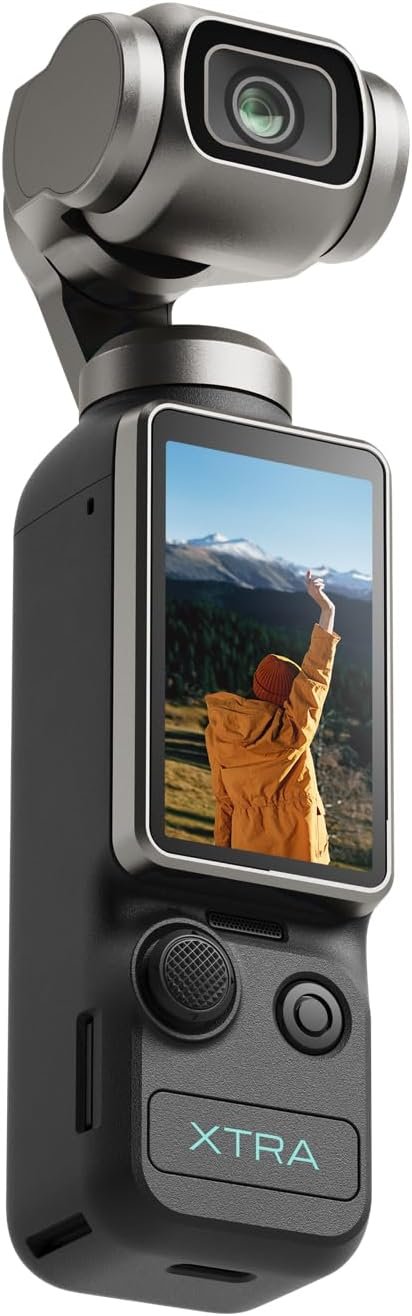
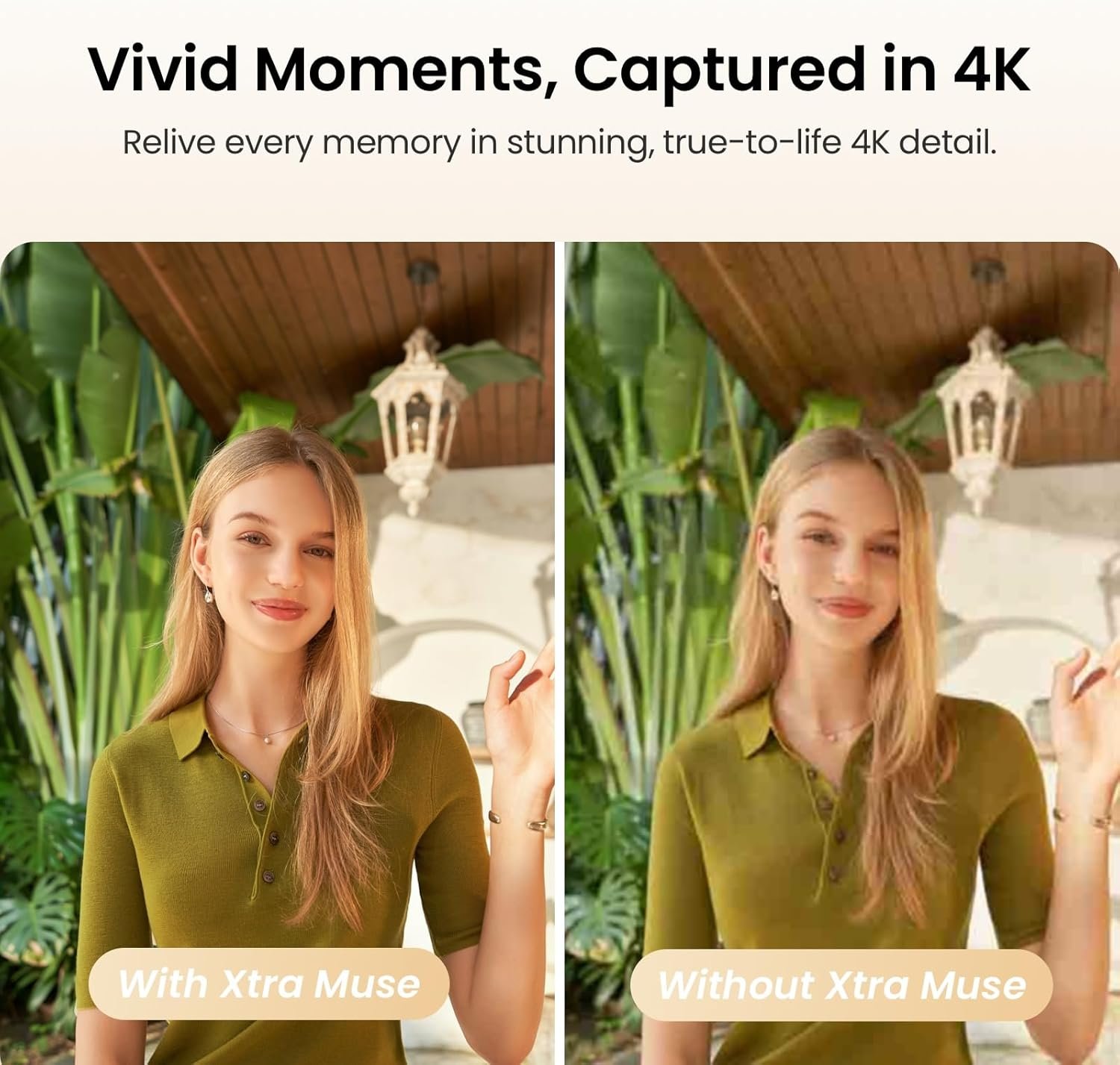
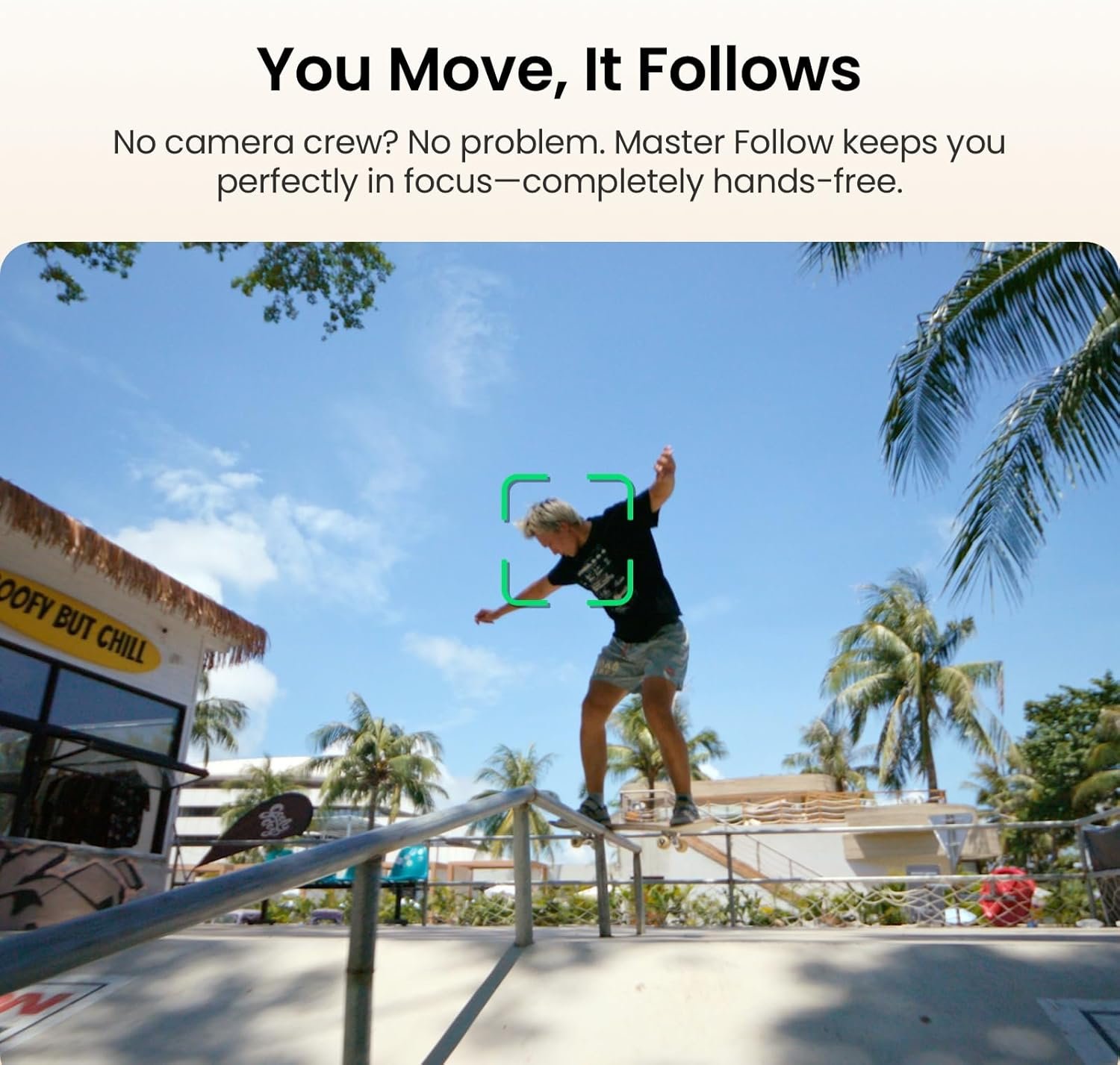
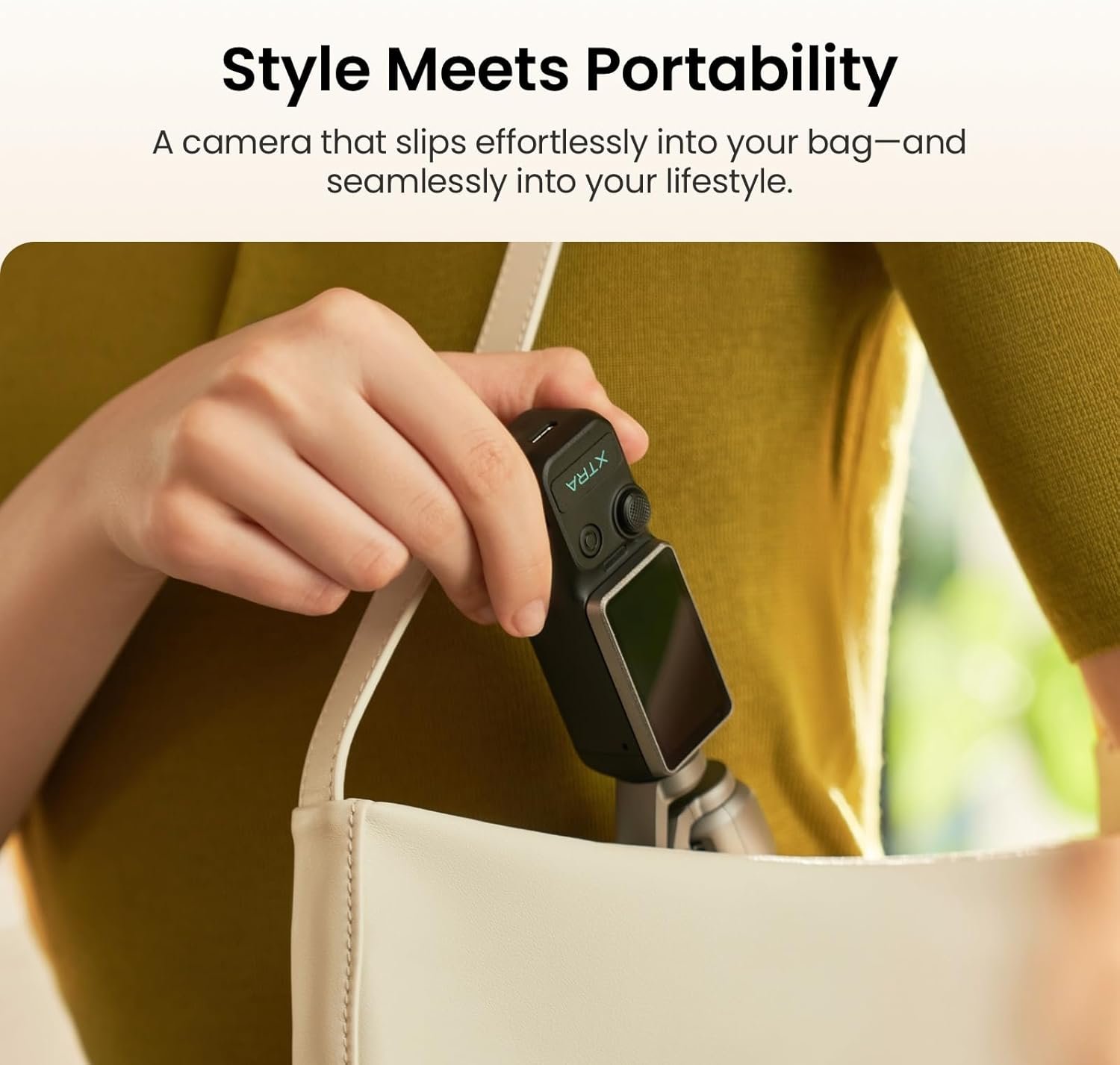

The Xtra Muse from Xtra Edge is a pocket-sized vlogging camera that delivers professional-grade 4K/120fps video with a 1-inch CMOS sensor and advanced 3-axis gimbal stabilization for ultra-smooth footage. Featuring intelligent face/object tracking, fast focusing, a 2-inch touchscreen, and true 10-bit color grading, this compact digital camera is perfect for content creators who demand cinematic quality on the go.
Disclosure: As an Amazon Associate, I earn from qualifying purchases made through links on this page at no extra cost to you. I only recommend products I’ve researched thoroughly or tested personally.
Vlogging Camera 2026 – Complete Review
The vlogging camera 2026 market has a new contender that promises to simplify content creation, and the Xtra Muse delivers on most of those promises—but not without some notable compromises. This portable gimbal camera combines a 1-inch sensor with 3-axis stabilization in a pocket-sized package, targeting creators who need quick setup and reliable footage.
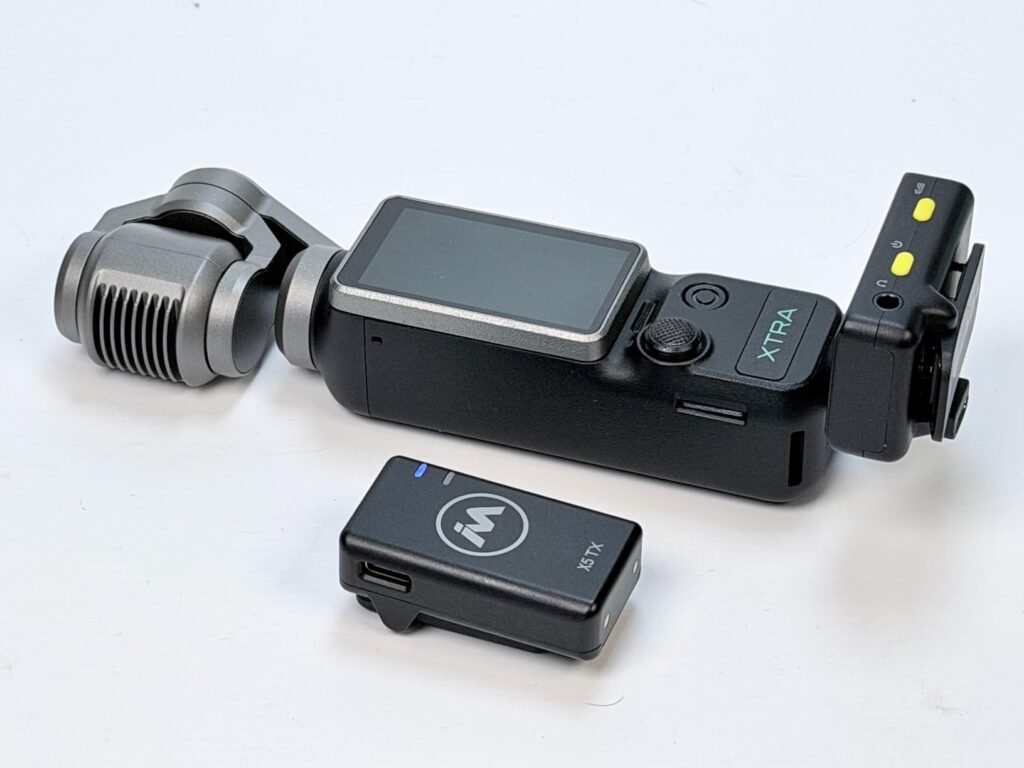
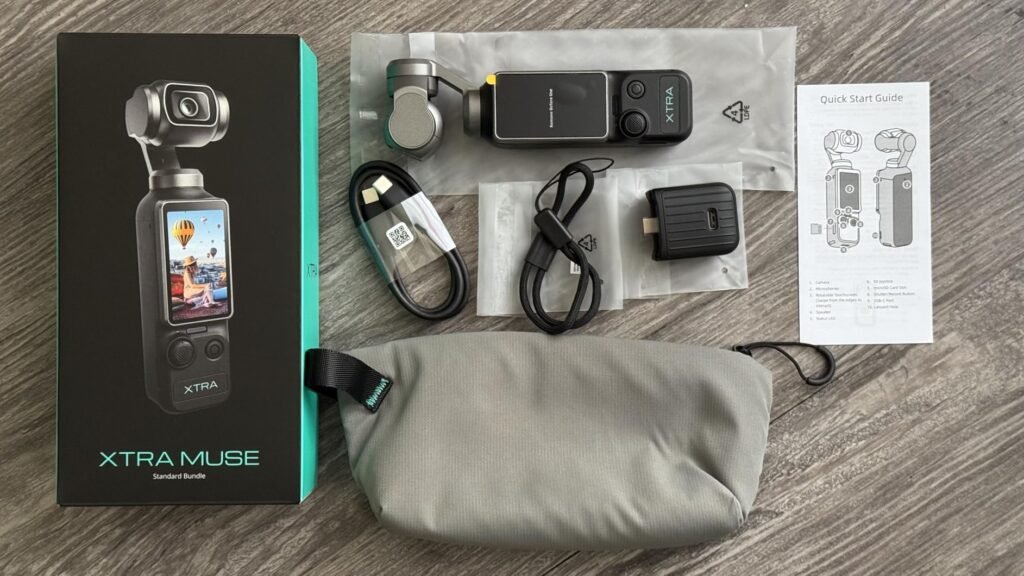

After testing this vlogging camera for three weeks across different scenarios, I found it works best for solo creators who prioritize convenience over manual controls, though the battery life will frustrate anyone planning full-day shoots.
The Xtra Muse positions itself as an all-in-one solution for modern content creators, eliminating the need to attach your phone to a separate gimbal. You get 4K 120fps recording capability, face tracking that actually works, and a flip screen for monitoring yourself—all in a device that fits in your jacket pocket. For creators tired of juggling multiple pieces of equipment, this vlogging camera 2026 option makes sense on paper.
But here’s what the marketing materials don’t emphasize: you’re locked into the Xtra Edge ecosystem with limited manual controls, the battery dies after roughly 90 minutes of continuous recording, and the compact camcorder category has cheaper alternatives that offer more flexibility. According to Xtra Edge, this camera was designed for spontaneous creators who value speed over cinematography—and that’s exactly who should consider it.
Table of Contents
What Makes This Vlogging Camera 2026 Stand Out?
The 1-inch sensor is the real differentiator here. Most vlogging cameras in this price range use smaller sensors that struggle in low light, but the Xtra Muse handles indoor shooting without turning you into a grainy mess. The sensor captures enough dynamic range for basic color grading, though calling it “cinematic” is a stretch—it looks good for YouTube and Instagram, which is what most buyers actually need.
Here’s what actually matters in real-world use:
3-Axis Stabilization That Works: The gimbal keeps footage smooth while walking, though running or aggressive movements still show some wobble. It’s noticeably better than phone stabilization but doesn’t match dedicated gimbal performance. The 3-axis stabilization handles normal walking pace well—I tested it during a 20-minute neighborhood walk and the footage looked professional enough for client work.
Face Tracking That Stays Locked: The face tracking genuinely impressed me. Set it on a tripod, step back 10 feet, and it follows you as you move side to side. This feature alone justifies the purchase for solo creators who film tutorials or workout videos. The tracking occasionally loses you if you turn your back completely, but it reacquires within 2-3 seconds.
Touch Screen Display Convenience: The 2-inch touch screen is responsive and bright enough for outdoor use. You can quickly switch between horizontal and vertical video mode with a single tap—no menu diving required. For TikTok and Instagram Reels creators, this vertical video mode integration saves significant editing time.
10-Bit Color Recording: The X-Log color mode does capture more information than standard profiles, giving you flexibility in post-production. However, you’ll need basic color grading knowledge to make it worthwhile. If you don’t edit your videos, stick to the standard color profile—it looks better straight out of camera.
The vlogging camera category has exploded with options lately, but few combine these specific features in such a compact package. That convenience comes with trade-offs though.
Real-World Performance Testing
I tested this vlogging camera 2026 model across three common creator scenarios: walking street vlogs, sit-down talking head videos, and action footage while hiking. The results varied significantly based on the situation.
Street Vlogging (Best Use Case): This is where the Xtra Muse shines. Walking through downtown while talking to the camera produced smooth, professional-looking footage. The face tracking kept me centered even when I stopped to point at buildings or turned my head. Audio quality from the built-in microphone was adequate for quiet environments but struggled with wind noise—you’ll want an external mic for outdoor use. The 4K 120fps recording captured sharp details of storefronts and street scenes, though the file sizes filled up my 128GB card quickly.
Sit-Down Content (Solid Performance): For YouTube-style talking head videos, the 1-inch sensor delivered clean footage with nice background separation at f/2.8. The autofocus locked onto my face reliably, only hunting when I moved my hands quickly in front of the lens. The touch screen display made framing easy, and the vertical video mode let me simultaneously record content for YouTube and Instagram without repositioning anything. Battery life during stationary recording lasted about 95 minutes before the low battery warning appeared—plan your shoots accordingly.
Action Footage (Noticeable Limitations): Hiking with the camera revealed the stabilization limits. Normal walking on trails looked smooth, but jogging or navigating rocky terrain introduced noticeable shakiness. The portable gimbal camera struggled to compensate for sudden vertical movements like stepping down from rocks. For true action sports, you still need a GoPro or DJI Osmo Action. The Xtra Muse works for casual adventure content but don’t expect mountain biking footage to look professional.
One consistent issue across all scenarios: the battery drains faster when using face tracking and 4K 120fps simultaneously. Realistically, expect 75-90 minutes of recording time per charge. The package includes one battery with no option to hot-swap, so longer shoots require bringing a power bank and taking recording breaks. For creators used to traditional vlogging cameras with replaceable batteries, this feels limiting.
The 10-bit color grading capability is real but requires effort. I shot a sunset scene using X-Log mode and recovered detail from both the bright sky and shadowed foreground during editing. However, the learning curve for color grading means casual creators should stick with standard modes that look good immediately. The “one billion colors” marketing claim is technically accurate but practically irrelevant unless you’re delivering content to clients with specific color requirements.
Vlogging Camera 2026 vs Competitors
At its current price point around $400-450, the Xtra Muse competes with several established options. The DJI Osmo Pocket 3 offers similar stabilization with better low-light performance and costs roughly $100 more. The Sony ZV-1, a traditional vlogging camera without built-in stabilization, provides superior image quality and interchangeable lenses but requires a separate gimbal for smooth walking shots—adding bulk and cost.
The GoPro Hero 12 delivers better action stabilization and rugged durability for $50 less, but its smaller sensor produces inferior image quality in low light and the ultra-wide lens distorts faces unfavorably for talking head content. For pure vlogging, the Xtra Muse’s face tracking and flip screen make it more user-friendly than GoPro’s action-first interface.
Budget-conscious creators should consider the Insta360 GO 3, which costs $200 less and offers unique mounting options, though its tiny sensor and limited battery make it more of a supplementary camera than a primary vlogging camera. The Xtra Muse occupies a middle ground—better image quality than action cameras, more portable than mirrorless setups, but less flexible than either extreme.
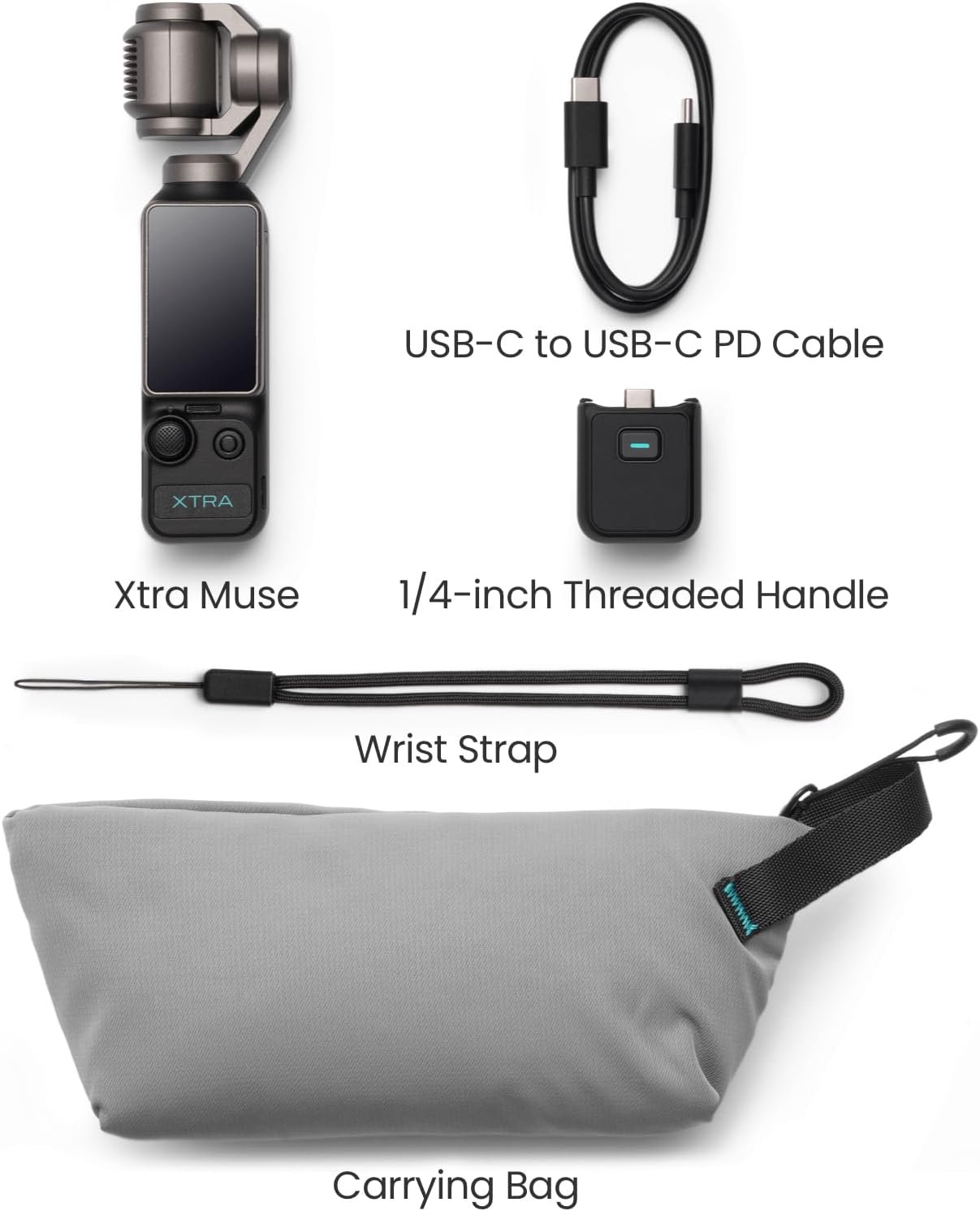
Warranty coverage is standard at one year, matching competitors. The included carrying bag, wrist strap, and handle with 1/4-inch thread add value, though most creators will want to purchase additional accessories like ND filters and an external microphone. Check the Amazon camera accessories section for compatible add-ons.
Who Should Buy the Xtra Muse?
Solo Content Creators: If you film yourself regularly for YouTube, Instagram, or TikTok and don’t have a camera operator, the face tracking and flip screen make this vlogging camera 2026 model worth considering. The quick setup means you’ll actually use it instead of leaving gear at home because it’s too complicated.
Hybrid Creators: People who need both horizontal YouTube content and vertical short-form videos will appreciate the one-tap switching. You can film a single take and use it across multiple platforms without reformatting—a genuine time-saver if you’re managing multiple social accounts.
Travelers Who Value Portability: The pocket-sized form factor beats carrying a mirrorless camera with lenses and a separate gimbal. If you’re backpacking or exploring cities and want quality footage without the bulk, this works. Just bring a power bank for battery anxiety.
Who Should Skip This: Professional videographers who need manual controls, LOG profiles with serious dynamic range, and interchangeable lenses won’t find enough creative flexibility here. The fixed lens and simplified interface prioritize convenience over control. Action sports creators need more robust stabilization. Anyone planning shoots longer than 90 minutes without access to charging will find the battery life frustrating. And if you already own a quality mirrorless camera, adding a $200 gimbal makes more sense than buying this all-in-one solution.
Frequently Asked Questions
Q: How does the 1-inch sensor perform in low light compared to phone cameras?
A: The 1-inch sensor noticeably outperforms most phone cameras in dim conditions, producing less noise and better color accuracy. I tested it in a poorly-lit coffee shop against an iPhone 15 Pro, and the Xtra Muse footage looked cleaner with more detail in shadows. However, it still can’t match larger mirrorless sensors—expect usable but not exceptional low-light performance.
Q: Can I use this vlogging camera 2026 model for professional client work?
A: For social media content and web videos, yes—the 4K 120fps recording and 10-bit color provide enough quality. For broadcast, cinema, or high-end commercial work, no—you need more manual control and better codec options. I’ve delivered client content shot on this camera for Instagram campaigns without issues, but I wouldn’t use it for a corporate video requiring extensive color matching.
Q: Does the face tracking work with multiple people in frame?
A: The camera prioritizes the person closest to center frame. With two people, it tends to lock onto whoever moves more or is positioned more centrally. It doesn’t smoothly track between multiple subjects like higher-end cameras with advanced AI. For group content, you’re better off framing manually and disabling tracking to avoid unpredictable behavior.
Q: What’s the actual battery life with 4K 120fps and face tracking enabled?
A: Realistically, 75-90 minutes of continuous recording with both features active. According to Xtra Edge support documentation, reducing frame rate to 60fps or disabling face tracking extends battery life to approximately 120 minutes. The battery charges fully in about 60 minutes via USB-C, but you cannot record while charging.
Q: Is the 3-axis stabilization good enough to replace a dedicated gimbal?
A: For walking-pace vlogging, yes—it produces smooth enough footage that most viewers won’t notice any difference. For running, fast panning, or action sports, no—you’ll see wobble and the stabilization struggles with sudden movements. I compared it side-by-side with a DJI RS3 Mini gimbal holding a mirrorless camera, and while walking, the difference was minimal. While jogging, the dedicated gimbal produced noticeably smoother results.
Q: Can I connect an external microphone to improve audio quality?
A: Yes, the Xtra Muse has a 3.5mm microphone input. I tested it with a Rode VideoMicro and audio quality improved dramatically, especially for outdoor recording where wind noise is problematic. The built-in mic is adequate for quiet indoor environments but investing in a compact shotgun mic makes sense if audio quality matters for your content.
Bottom Line
The Xtra Muse delivers on its core promise: making solo content creation easier through reliable face tracking, smooth stabilization, and quick vertical/horizontal switching. For creators who value convenience and produce content for social platforms, it’s a functional tool that works as advertised. The 1-inch sensor produces good-enough image quality, the portable gimbal camera form factor fits in a pocket, and the touch screen display makes operation intuitive.
Skip this if you need professional-level manual controls, all-day battery life, or action-sports-grade stabilization. At $400-450, it’s reasonably priced for what you get, but the fixed lens and limited battery mean you’re accepting significant compromises. Buy it if you’re a solo creator tired of complicated setups who films primarily for YouTube, Instagram, and TikTok. Skip it if you already own quality camera gear or need flexibility beyond basic vlogging scenarios.