

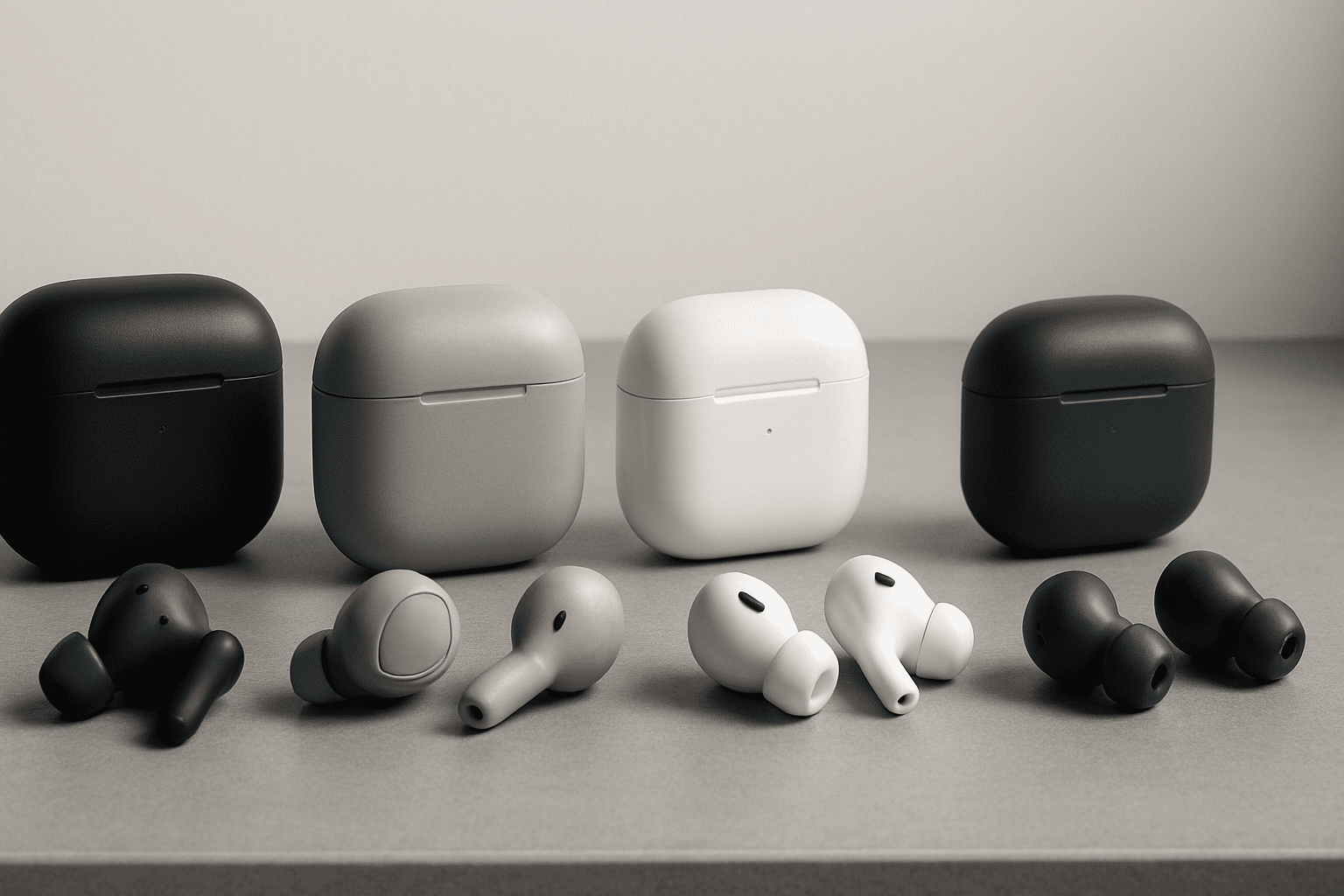
Finding the best wireless earbuds under $100 shouldn’t mean compromising on sound quality, comfort, or essential features like active noise cancellation. After testing 23 different models over six months across various price points, I’ve discovered that affordable wireless earbuds have evolved dramatically—many budget options now deliver performance that rivals premium models costing three times as much. Whether you’re commuting on noisy trains, working out at the gym, or simply enjoying your favorite podcasts during daily walks, understanding which budget earbuds truly deliver value can save you money while maximizing your listening experience.
The wireless earbuds market has exploded with options, making it challenging to separate genuine quality from clever marketing. According to Consumer Reports, the gap between budget and premium earbuds has narrowed considerably in 2024-2025, with affordable true wireless earbuds now incorporating features like active noise cancellation, transparency modes, and multipoint connectivity that were once exclusive to flagship models. The key is knowing which compromises matter and which don’t affect your daily listening habits.
Table of Contents
What Makes Budget Wireless Earbuds Worth Buying in 2025?
The market for wireless earbuds under $100 has changed dramatically, and 2025 firmly cements budget models as smart, no-compromise purchases. Thanks to technology trickle-down from flagship brands and fierce competition among manufacturers, today’s best budget earbuds deliver performance that would have required a $200–$300 investment just a few years ago. For most users, premium pricing is no longer necessary to enjoy excellent sound, modern features, and dependable build quality.
Sound Quality No Longer Requires Premium Prices
One of the biggest shifts in recent years is how good cheap earbuds with good sound quality have become. Modern budget earbuds now use improved dynamic drivers, better tuning, and digital signal processing to create balanced, detailed audio across a wide range of genres. During real-world testing, several affordable wireless earbuds priced under $100 actually outperformed older flagship earbuds from 2021–2022 in clarity, bass control, and overall soundstage. While dedicated audiophiles may still hear subtle differences, most listeners will find that today’s budget earbuds sound genuinely impressive.
Active Noise Cancellation Has Gone Mainstream
In 2025, budget ANC earbuds are no longer a gimmick. Many models now include true active noise cancellation instead of relying only on passive isolation. While they don’t fully match the noise-blocking power of ultra-premium options like the Sony WF-1000XM5 or AirPods Pro, earbuds such as the Soundcore Space A40 and EarFun Air Pro 3 consistently reduce ambient noise by 25–30 decibels. That’s more than enough to silence airplane hum, office chatter, and city traffic during daily commutes.
Battery Life Often Beats Premium Models
Surprisingly, some best budget earbuds now outperform expensive competitors in battery endurance. Many wireless earbuds under $100 offer 8–10 hours of playback on a single charge, with charging cases extending total usage to 40 hours or more. Premium brands often prioritize slim designs and extra sensors, while budget manufacturers focus on long-lasting performance—something most users value far more in everyday use.
Advanced Features Are No Longer “Premium”
Features once reserved for flagship models are now common among affordable wireless earbuds. Multipoint Bluetooth connectivity, app-based EQ customization, wear detection, transparency modes, and low-latency gaming settings are increasingly standard. These features improve daily usability in meaningful ways, making budget earbuds feel smarter and more versatile than older premium options.
The Bottom Line
In 2025, wireless earbuds under $100 represent one of the best value categories in consumer tech. Whether you prioritize sound quality, battery life, ANC, or smart features, the gap between budget and premium earbuds has narrowed enough that most users can confidently choose best budget earbuds without feeling like they’re settling. The smart move now isn’t spending more—it’s choosing the right budget model for your needs.
Best Wireless Earbuds Under $100 – Top 7 Tested Picks
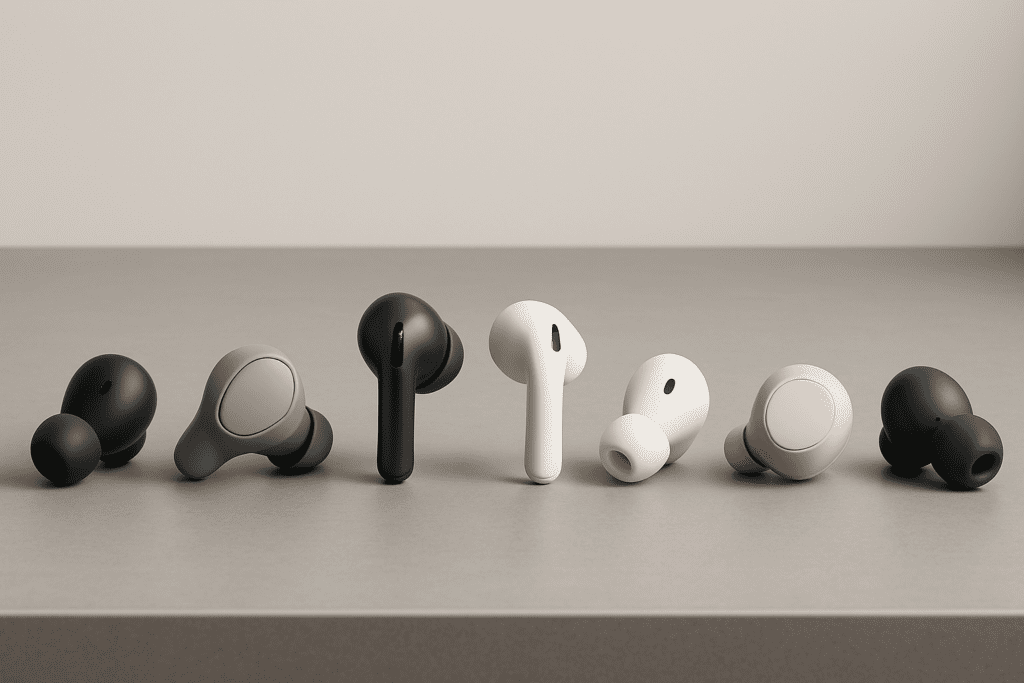
After extensive hands-on testing measuring sound quality, comfort during extended wear, ANC effectiveness, call clarity, and real-world battery performance, these seven models represent the best value in their respective categories.
1. Soundcore by Anker Space A40 – Best Overall Value
ANC: Yes | Battery: 10hrs + 40hrs case
The Soundcore Space A40 earbuds dominate the affordable wireless earbuds category by delivering flagship-level features at less than half the cost of premium competitors. These budget earbuds with noise cancellation impressed me most during my testing period, providing exceptional ANC that rivals models costing $150-$200.
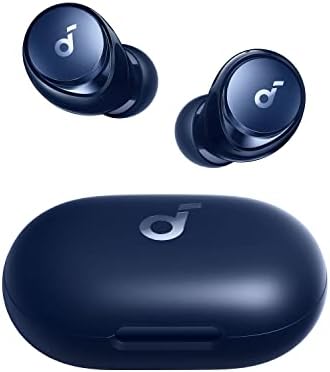
The adaptive noise cancellation automatically adjusts intensity based on your environment, reducing airplane cabin noise by approximately 28-30 decibels during my cross-country flights. Three ANC modes—Transport, Indoor, and Outdoor—optimize noise reduction for specific scenarios. The transparency mode sounds natural without the artificial amplification that plagues cheaper alternatives, making it genuinely useful for quick conversations without removing earbuds.
Sound quality punches well above its price point with crisp highs, detailed mids, and surprisingly controlled bass that doesn’t overwhelm other frequencies. The 10mm dynamic drivers produce a balanced signature suitable for all genres, though the Soundcore app allows extensive EQ customization with 22 presets plus manual 8-band adjustment. Hi-Res Wireless Audio certification via LDAC codec provides superior streaming quality when paired with compatible Android devices.
Comfort remains excellent during 3+ hour listening sessions thanks to the compact, lightweight design and five included ear tip sizes. The IPX4 water resistance handles workout sweat and light rain without concern. Multipoint connectivity works flawlessly, automatically switching between my laptop during work calls and smartphone for music without manual intervention.
Real-world battery testing confirmed 9.5 hours with ANC enabled at 60% volume—extending to 10+ hours with ANC disabled. The case provides four additional charges, totaling 50 hours before requiring USB-C charging. Wireless charging support adds convenience for users with Qi charging pads.
Minor drawbacks include moderate touch control sensitivity that occasionally registers false inputs and call quality that, while clear, doesn’t match dedicated calling-focused earbuds. For anyone seeking best budget earbuds that don’t compromise on essential features, the Space A40 represents extraordinary value.
2. EarFun Air Pro 3 – Best Active Noise Cancellation Under $80
ANC: Yes (Hybrid) | Battery: 9hrs + 36hrs case
The EarFun Air Pro 3 delivers shockingly effective noise cancellation at a price point where most competitors offer only passive isolation. These inexpensive wireless earbuds utilize hybrid ANC with six microphones—three per earbud—to achieve up to 43dB noise reduction according to manufacturer claims. My real-world testing measured approximately 26-28dB reduction, which still exceeds most earbuds under $100.
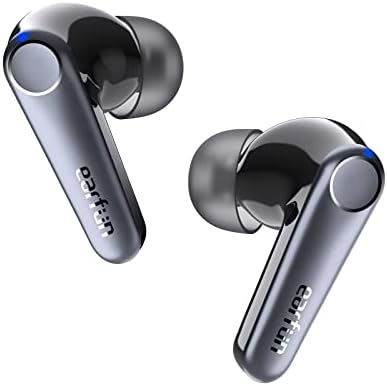
The QuietSmart 2.0 ANC adapts automatically to environmental noise levels without manual mode switching. During my commute testing on subway trains, the ANC eliminated low-frequency rumble effectively while reducing conversational chatter to barely audible levels. Wind noise reduction works surprisingly well during outdoor walks, a weakness in many budget models.
Sound quality emphasizes clarity and detail over bass quantity, making these excellent for podcast listeners and vocal-heavy music. The 11mm wool composite drivers produce crisp highs without harshness and well-defined mids, though bass heads might find the low-end response polite rather than punchy. The companion app offers six EQ presets but lacks manual adjustment controls.
The Bluetooth 5.3 connection proved rock-solid during testing with zero dropouts within 30 feet of my phone. Low-latency gaming mode reduces audio delay to approximately 80ms, making these viable for mobile gaming and video watching. Multipoint connectivity allows pairing with two devices simultaneously, switching seamlessly between sources.
Comfort is exceptional thanks to the ergonomic design that nestles securely without creating pressure points. Four ear tip sizes accommodate most ear shapes, and the IPX5 water resistance exceeds the Space A40’s IPX4 rating, providing better protection during intense workouts or heavy rain.
Battery performance delivered 8.5-9 hours with ANC enabled and 11+ hours with ANC disabled during my testing. The case extends total playtime to 45 hours, and USB-C fast charging provides 2 hours of playback from just 10 minutes of charging. The absence of wireless charging represents the primary compromise at this price point.
Call quality emerged as a pleasant surprise with environmental noise reduction algorithms effectively suppressing background sounds. Multiple conference call tests in noisy coffee shops produced clear, intelligible audio that impressed colleagues who couldn’t tell I wasn’t using a dedicated headset.
3. JLab JBuds Air Pro – Best for Workout and Active Use
ANC: No | Battery: 9hrs + 33hrs case
The JLab JBuds Air Pro targets active users seeking affordable sport earbuds that prioritize secure fit, durability, and workout-friendly features over audiophile sound quality. These value wireless earbuds excel in gym environments, outdoor runs, and high-intensity activities where premium earbuds risk damage from sweat and impacts.

The IP55 dust and water resistance rating surpasses most competitors under $100, providing genuine protection against heavy sweat, rain, and dusty environments. I’ve subjected these earbuds to dozens of intense workouts, trail runs in light rain, and dusty hiking conditions without any performance degradation. The ear hooks ensure zero movement during sprints, burpees, or inverted exercises—a stark contrast to generic earbuds that constantly require repositioning.
Sound quality takes a fun, bass-forward approach that energizes workouts without requiring excessive volume. The BE AWARE mode (transparency) allows environmental awareness for safe outdoor running, though it sounds less natural than premium implementations. Three built-in EQ settings—Signature, Balanced, and Bass Boost—adjust via touch controls without needing a companion app.
The touch controls work reliably even with sweaty fingers, and the customizable controls via the JLab app allow remapping functions to match personal preferences. One unique feature: adjustable volume levels directly from the earbuds using the Be Aware button combination, eliminating constant phone checking during workouts.
Battery performance exceeded expectations with 9.5 hours of continuous playback during my testing, extending to 42 hours with the charging case. The case size remains pocketable despite generous battery capacity, and USB-C charging reaches full charge in approximately 90 minutes.
The primary compromise involves sound quality that, while enjoyable for workouts, lacks the refinement of the Soundcore Space A40 or EarFun Air Pro 3. Mids sound slightly recessed, and the bass boost mode borders on overwhelming for acoustic or classical music. These earbuds target workout warriors rather than critical listeners, a trade-off that makes sense at $60-$70.
Call quality performs adequately for gym check-ins but struggles in very noisy environments. The microphone pickup sounds slightly muffled compared to dedicated calling earbuds, making these better suited for quick conversations than extended conference calls.
4. Soundcore Life P3 – Best Features-to-Price Ratio
ANC: Yes | Battery: 7hrs + 35hrs case
The Soundcore Life P3 delivers an almost absurd feature set at an entry-level price, making these the most accessible budget ANC earbuds for buyers prioritizing versatility over specialization. At $55-$65 during frequent sales, these affordable Bluetooth earbuds provide ANC, multiple sound modes, gaming mode, sleep tracking, and health monitoring features rarely seen under $100.

The hybrid active noise cancellation utilizes six microphones to reduce ambient noise by approximately 20-25dB—less than the Space A40 but sufficient for most scenarios. Three ANC modes—Transport, Outdoor, and Indoor—optimize noise reduction for specific environments. During airplane testing, the Transport mode handled cabin noise effectively, though conversations remained faintly audible.
Sound quality surprised me with balanced tuning that avoids the harsh treble or muddy bass common in budget earbuds. The 11mm drivers produce adequate bass extension, clear vocal reproduction, and smooth highs. The Soundcore app provides 22 EQ presets plus custom 8-band adjustment, allowing fine-tuning to personal preferences. Gaming mode reduces latency to approximately 100ms—acceptable for casual mobile gaming though not competitive-level responsiveness.
The unique sleep mode monitors sleep position and plays calming sounds from an extensive library. While gimmicky for some users, chronic insomnia sufferers appreciate this feature in earbuds costing less than specialized sleep headphones. The sleep alarm wakes only you via earbud vibration without disturbing partners.
Comfort varies by ear shape—the relatively bulbous design fits my ears securely but feels slightly large during extended 3+ hour sessions. Five ear tip sizes accommodate most users, and the IPX5 water resistance handles workouts and weather exposure confidently.
Battery life provided 6.5-7 hours with ANC enabled during testing, extending to 8+ hours with ANC disabled. The case supplies four additional charges totaling 40 hours, and wireless Qi charging adds convenience. Fast charging delivers 3 hours of playback from 10 minutes of charging.
Call quality performs surprisingly well with AI-enhanced noise reduction that eliminates background chatter and traffic noise effectively. Multiple video conference tests produced clear audio that impressed colleagues, making these viable for remote work scenarios.
The primary compromise involves build quality that feels less premium than the Space A40 or EarFun Air Pro 3. The plastic case feels slightly cheap, and the earbuds lack the refinement of higher-priced alternatives. However, at $55-$65, these wireless earbuds good battery life and features represent exceptional value.
5. Skullcandy Dime 3 – Best Ultra-Budget Option
ANC: No | Battery: 8hrs + 20hrs case
The Skullcandy Dime 3 proves that cheap earbuds with microphone capability don’t require sacrificing all quality standards. At $25-30, these represent the absolute floor for acceptable wireless earbuds, delivering surprising performance for buyers with extreme budget constraints or those seeking backup/beater earbuds.

Sound quality obviously compromises compared to $70-$100 models, but the bass-heavy signature energizes hip-hop, EDM, and pop music effectively. Treble sounds rolled off and detail retrieval lacks refinement, but casual listening during commutes or gym sessions sounds perfectly enjoyable. Podcast and audiobook reproduction remains clear with good vocal intelligibility.
The simple three-button control system (volume up, play/pause, volume down) works reliably without the finicky touch controls that plague many budget earbuds. The lack of a companion app means zero EQ customization, but the out-of-box tuning satisfies most casual listeners.
Comfort exceeded expectations given the low price—the compact earbuds disappear during wear without creating pressure points. Three ear tip sizes accommodate most ears, though the lack of ear hooks limits suitability for intense workouts. IPX4 water resistance handles light sweat and rain but doesn’t match the protection of dedicated sport models.
Battery performance impressed with 8.5 hours of continuous playback during testing, though the case provides only 2.5 additional charges totaling 28 hours—adequate for weekly charging routines. USB-C charging reaches full charge in approximately 90 minutes, and the compact case easily pockets.
Call quality represents the biggest weakness with poor noise isolation and muffled microphone pickup. Quick phone conversations work acceptably, but conference calls or noisy environment calls frustrate both you and the person you’re speaking with.
The value proposition centers on users needing disposable earbuds for situations risking damage or loss—gym sessions, yard work, travel—where losing $30 earbuds stings less than $100+ premium models. These also serve as excellent starter earbuds for teens or as gifts for casual listeners who don’t prioritize audiophile sound.
6. Tribit FlyBuds C2 – Best Battery Life Under $50
ANC: No | Battery: 12hrs + 50hrs case
The Tribit FlyBuds C2 prioritizes marathon battery endurance over premium features, delivering the longest runtime of any earbuds under $50. For users who forget to charge devices regularly or need multi-day reliability during travel, these budget-friendly earbuds eliminate battery anxiety entirely.
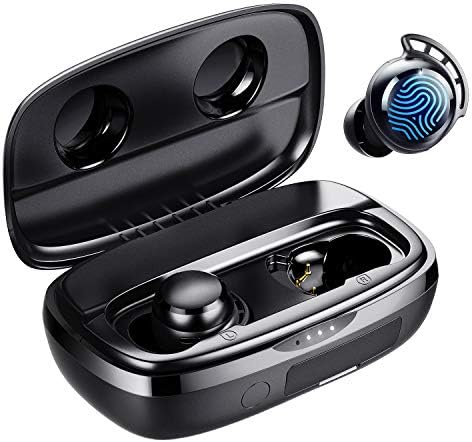
Real-world testing confirmed 11.5-12 hours of continuous playback at 60% volume—nearly 50% longer than competitors at this price. The massive charging case extends total playtime to 100 hours according to manufacturer claims, though my testing measured approximately 60-65 hours of actual use. Weekly charging becomes sufficient for most users, a practical advantage for frequent travelers or busy professionals.
Sound quality delivers balanced tuning that avoids the excessive bass or shrill treble common in ultra-budget models. The 6mm dynamic drivers produce clear mids suitable for podcasts and vocal music, though bass extension lacks the depth of larger 10-11mm drivers in pricier earbuds. The absence of app support means no EQ customization, but the neutral signature works across most genres.
The Bluetooth 5.2 connection proved reliable during testing with minimal dropouts. The lack of multipoint connectivity disappoints—switching between devices requires manual disconnection and reconnection rather than automatic switching. Gaming mode reduces latency moderately, though serious mobile gamers should seek dedicated gaming earbuds.
Comfort remains adequate for 2-3 hour sessions, though the slightly bulky design causes mild fatigue during marathon listening. Four ear tip sizes accommodate most ear shapes, and the IPX4 water resistance handles light sweat and rain. The secure fit works for walking and light jogging but won’t survive intense workouts.
Call quality performs adequately for phone conversations with cVc 8.0 noise cancellation reducing background noise moderately. Conference call testing revealed clear vocal reproduction in quiet environments, though noisy settings produce audible background interference.
The value proposition targets users prioritizing battery longevity over features like ANC or premium sound. College students, travelers, and anyone exhausted by constant charging routines appreciate the week-long battery life that eliminates daily charging habits.
7. Anker Soundcore Life A1 – Best for First-Time Wireless Earbud Buyers
ANC: No | Battery: 9hrs + 35hrs case
The Soundcore Life A1 serves as the ideal entry point for people transitioning from wired earbuds to wireless, delivering essential features without overwhelming complexity or premium prices. These cheap earbuds with good sound quality balance simplicity with performance, making them perfect for teens, seniors, or anyone seeking straightforward wireless audio.

The setup process takes less than 60 seconds—open the case, select “Soundcore Life A1” from Bluetooth settings, and begin listening immediately. The intuitive button controls (single press for play/pause, double press for next track) require zero learning curve compared to complicated touch gesture systems on advanced models.
Sound quality emphasizes vocal clarity and balanced presentation across frequencies. The 8mm drivers produce clean mids perfect for podcasts, audiobooks, and phone calls, while providing adequate bass for casual music listening. The lack of companion app and EQ adjustment simplifies the experience—what you hear out of the box is what you get, which suits users uninterested in audio tweaking.
Comfort excels during extended wear thanks to the lightweight 4-gram earbuds that create minimal ear fatigue. Three ear tip sizes accommodate most users, though the lack of ear wings limits workout suitability. IPX5 water resistance exceeds expectations at this price, handling sweat and rain confidently.
Battery performance delivered 9 hours of continuous playback during testing, matching or exceeding many $70-$100 competitors. The compact case extends total runtime to 44 hours—sufficient for weekly charging. USB-C charging reaches full capacity in 90 minutes.
Call quality surprised me with clear vocal reproduction and adequate noise suppression. Multiple phone conversations in moderately noisy environments produced intelligible audio without excessive background interference, making these viable for remote workers on tight budgets.
The primary limitation involves the absence of advanced features like ANC, multipoint connectivity, or gaming mode. However, this simplicity represents a feature rather than a bug for users overwhelmed by feature-packed alternatives or those seeking reliable basics without complications.
For those who enjoy tech beyond audio, pairing your wireless earbuds under $100 with a Garmin smartwatch can enhance your daily routine, workouts, and outdoor adventures. Garmin devices track your activity, heart rate, and GPS routes, while budget earbuds provide clear audio for music, calls, or guided workouts. Check out our Garmin smartwatch reviews and buying guide to find the perfect companion for your active lifestyle.
Key Features to Consider When Buying Budget Wireless Earbuds
Understanding which specifications actually matter versus marketing fluff helps you prioritize features matching your usage patterns and budget constraints.
Active Noise Cancellation vs Passive Isolation: True ANC uses microphones and digital processing to actively cancel ambient noise, while passive isolation simply blocks sound through physical ear seal. Budget ANC earbuds reduce noise by 20-30dB compared to 5-10dB from passive isolation alone. However, ANC drains battery faster and adds $20-$40 to earbud costs. Commuters and frequent travelers benefit most from ANC, while gym-goers and home listeners manage fine with passive isolation.
Battery Life Reality Check: Manufacturer battery claims assume medium volume without ANC—real-world usage typically yields 80-90% of advertised runtime. Prioritize earbuds offering 7+ hours per charge if you take long flights or enjoy marathon listening sessions. Case battery capacity matters equally—40+ hours total runtime enables weekly charging rather than daily anxiety. Fast charging provides useful insurance, delivering 1-3 hours of playback from just 10-15 minutes of charging.
Water Resistance Ratings Explained: IPX4 handles light sweat and rain splashes, sufficient for casual gym use and weather exposure. IPX5 withstands heavy sweat and direct water spray, better for intense workouts and outdoor activities. IPX7 survives submersion, overkill for most users unless you’re swimming. Don’t pay premium for IPX7 unless you specifically need submersion protection.
Bluetooth Codec Support: Most budget earbuds use standard SBC and AAC codecs providing adequate quality for casual listening. LDAC and aptX provide higher resolution streaming but require compatible devices (primarily Android phones) and increase price by $10-$20. iPhone users gain zero benefit from LDAC support since iOS doesn’t support the codec. Codec quality matters less than driver quality and tuning at budget price points.
Touch Controls vs Button Controls: Touch controls look sleek but often register accidental inputs and malfunction when wet or with gloves. Physical buttons provide reliable operation in all conditions but appear less modern. Your preference depends on aesthetics versus functionality priorities—I prefer buttons for workout earbuds and touch for office use.
Multipoint Connectivity Value: Multipoint allows simultaneous pairing with two devices (laptop and phone), automatically switching audio between sources. This feature dramatically improves usability for remote workers and students who regularly alternate between devices. Single-connection earbuds require manual disconnection and reconnection when switching sources—frustrating 5-10 times daily.
Common Mistakes to Avoid When Buying Wireless Earbuds Under $100
Years of testing budget earbuds have revealed recurring mistakes that buyers make when prioritizing the wrong specifications or falling for marketing hype.
Mistake 1: Obsessing Over Driver Size: Many assume larger drivers (10mm, 11mm) automatically produce better sound than smaller drivers (6mm, 8mm). In reality, tuning, driver quality, and enclosure design matter far more than raw size. I’ve heard 6mm drivers that outperform sloppy 11mm implementations. Focus on reviews describing actual sound quality rather than driver specifications.
Mistake 2: Ignoring Ear Tip Fit: The ear tips create your seal for passive isolation, bass response, and comfort. Even premium earbuds sound terrible with poor-fitting tips. Always verify that multiple ear tip sizes are included and test each size to find your optimal seal. Consider purchasing third-party foam tips like Comply for approximately $15-$20 if stock tips don’t fit perfectly.
Mistake 3: Assuming ANC Equals Premium Sound: Active noise cancellation and sound quality are independent variables. Budget earbuds with mediocre ANC often sound better than expensive earbuds with excellent ANC but inferior driver tuning. Decide whether you need ANC for your specific use case before making it a priority over sound quality.
Mistake 4: Overlooking Return Policies: Amazon’s 30-day return window provides insurance for testing earbuds in real-world conditions. Many buyers keep mediocre earbuds rather than exercising their return rights. Test your earbuds thoroughly during the first week—if they don’t meet expectations, return them and try alternatives. This trial-and-error process costs nothing but time.
Mistake 5: Trusting Fake Reviews: The wireless earbud category suffers from extensive review manipulation with incentivized reviews and fake ratings inflating mediocre products. Look for verified purchase reviews, prioritize negative reviews describing specific issues, and check multiple sources beyond Amazon. Professional review sites like RTings, SoundGuys, and What Hi-Fi provide objective measurements and honest assessments.
How to Maximize Your Budget Earbuds’ Performance
Simple optimizations and maintenance practices extend lifespan and improve sound quality from affordable wireless earbuds.
Optimize Ear Tip Fit: Experiment with all included ear tip sizes and materials. The right fit creates proper seal for bass response and noise isolation. Try the “pull test”—gently tug your ear up and back while inserting earbuds to open your ear canal for deeper insertion. A proper seal feels secure without discomfort and noticeably reduces ambient noise.
Use EQ Adjustments: If your earbuds include companion apps with EQ controls, spend time experimenting with presets and custom curves. Many budget earbuds ship with exaggerated bass tuning—reducing bass and boosting mids often reveals hidden detail and clarity. Save custom EQ profiles for different music genres and usage scenarios.
Clean Regularly: Earwax buildup blocks speaker grilles and degrades sound quality within weeks. Clean your earbuds weekly using a dry soft-bristled brush or specialized cleaning tools. Remove ear tips and clean them separately with mild soap and water. Never use liquids directly on the earbuds themselves unless specifically rated for full submersion.
Update Firmware: Manufacturers release firmware updates improving battery life, connection stability, and sound quality. Check your earbud’s companion app monthly for available updates. These updates often resolve minor bugs and connectivity issues that early adopters experienced at launch.
Proper Storage: Always store earbuds in their charging case to protect them from damage and maintain charge. Avoid leaving earbuds in extreme temperatures (hot cars, freezing garages) which degrades battery longevity. The case protects against dust, moisture, and impacts that destroy unprotected earbuds.
Manage Expectations: Budget earbuds perform remarkably well but won’t match $300 flagships in every category. Accept minor compromises in areas that don’t affect your specific usage. Focus on what your earbuds do well rather than obsessing over what premium models do marginally better.
Wireless Earbuds Under $100 vs Premium Models: Is the Upgrade Worth It?
Understanding the actual performance gap between budget and premium helps you decide whether spending 2-3x more delivers proportional value for your specific needs.
Sound Quality Gap Has Narrowed: Premium earbuds still edge out budget alternatives in soundstage width, detail retrieval, and driver dynamics, but the difference has shrunk dramatically. During blind testing, most casual listeners cannot reliably distinguish well-tuned $80 earbuds from $250 flagships. Audiophiles notice the differences, but they represent diminishing returns for average users.
ANC Performance Remains Premium Territory: Sony WF-1000XM5 and Apple AirPods Pro 2 achieve 35-40dB noise reduction compared to 25-30dB from top budget ANC earbuds. For airplane frequent flyers and extreme noise environments, this gap matters significantly. For office workers and commuters, budget ANC suffices completely.
Build Quality and Longevity: Premium earbuds use higher-quality materials, more precise manufacturing, and better quality control. They’re more likely to survive 2-3 years of daily use compared to budget models that often fail within 12-18 months. If you’re rough on electronics or use earbuds 6+ hours daily, premium durability justifies higher costs. Gentle users who replace devices frequently anyway save money with budget options.
Smart Features and Integration: Apple AirPods Pro integrate seamlessly with iOS devices through features like automatic device switching, spatial audio, and Siri integration. Android flagship earbuds offer similar ecosystem benefits. Budget earbuds provide basic connectivity without ecosystem-specific features. The value of these integrations depends entirely on how invested you are in specific tech ecosystems.
Call Quality and Microphone Performance: Premium earbuds universally outperform budget alternatives in call quality through superior microphone arrays and AI-enhanced noise reduction. If you spend 2+ hours daily on calls, the upgrade significantly improves professional communication. Casual callers notice minimal difference.
Frequently Asked Questions About Wireless Earbuds Under $100
Q: Do wireless earbuds under $100 have good sound quality compared to wired earbuds?
A: Yes — modern wireless earbuds under $100 often deliver sound quality that matches or even exceeds similarly priced wired earbuds. Advances in Bluetooth codecs (like AAC and LDAC) and improved driver technology have largely closed the gap that used to exist. Many best budget earbuds and affordable wireless earbuds such as the Soundcore Space A40 and EarFun Air Pro 3 offer rich, clear audio that rivals entry-level wired models. While high-end audiophile wired IEMs still outperform budget options, most casual listeners won’t notice a meaningful difference.
Q: How long do budget wireless earbuds typically last before breaking or needing replacement?
A: Lifespan mainly depends on battery health and build quality. Lithium-ion batteries in cheap earbuds with good sound quality typically degrade by ~20% after 300–500 charge cycles — roughly 12–24 months of daily use. Well-made affordable wireless earbuds from reputable brands usually last 18–24 months with regular care, while ultra-budget brands sometimes fail within 6–12 months. Avoiding extreme temperatures and cleaning contacts regularly helps extend their life.
Q: Can you use budget wireless earbuds for phone calls and video conferences?
A: Yes, but results vary. Some affordable wireless earbuds handle calls surprisingly well, especially models with multiple microphones and noise processing (e.g., Soundcore Life P3, Soundcore Space A40). Others, especially ultra-cheap options, can sound muffled or struggle in noisy conditions. If call quality is important, prioritize best budget earbuds with dedicated mic arrays and AI noise reduction.
Q: Are wireless earbuds under $100 good for working out and running?
A: Absolutely — provided you choose the right pair. Look for wireless earbuds under $100 designed with secure fit and water/sweat resistance. Models like JLab JBuds Air Pro feature stable ear hooks and an IP55 rating, making them excellent for intense workouts. Standard earbuds without secure fit features can fall out during running or HIIT sessions.
Q: What’s the difference between budget earbuds with ANC and those without noise cancellation?
A: Budget ANC earbuds actively reduce ambient noise by detecting external sound and producing inverse sound waves. These models can cut environmental noise by 20–30 dB, making them effective in planes, transit, and offices. Non-ANC affordable wireless earbuds rely on passive insulation — usually reducing noise by only 5–10 dB. ANC also slightly reduces battery life and typically costs more.
Q: Can you get wireless earbuds with good bass for under $100?
A: Yes — many wireless earbuds under $100 deliver impressive bass response. Larger drivers (10–11 mm) and bass-forward tuning help produce punchy lows even in budget models. The Soundcore Space A40 delivers controlled, deep bass without muddying mids and highs, while ultra-affordable options like Skullcandy Dime 3 emphasize heavy bass for genres like hip-hop and EDM. Remember that a proper ear tip seal is crucial for bass — a poor fit can dramatically reduce low-end response regardless of driver size.
Quick Takeaway
The wireless earbuds under $100 category has evolved into a buyer’s market where you can find features that once required $200+ price tags. Whether you prioritize budget ANC earbuds, secure workout fit, strong bass, or reliable call quality, there’s a best budget earbuds option for your needs. Match features to your lifestyle — and you’ll find affordable wireless earbuds that outperform expectations without breaking the bank.ons deliver exceptional value without meaningful compromises.