

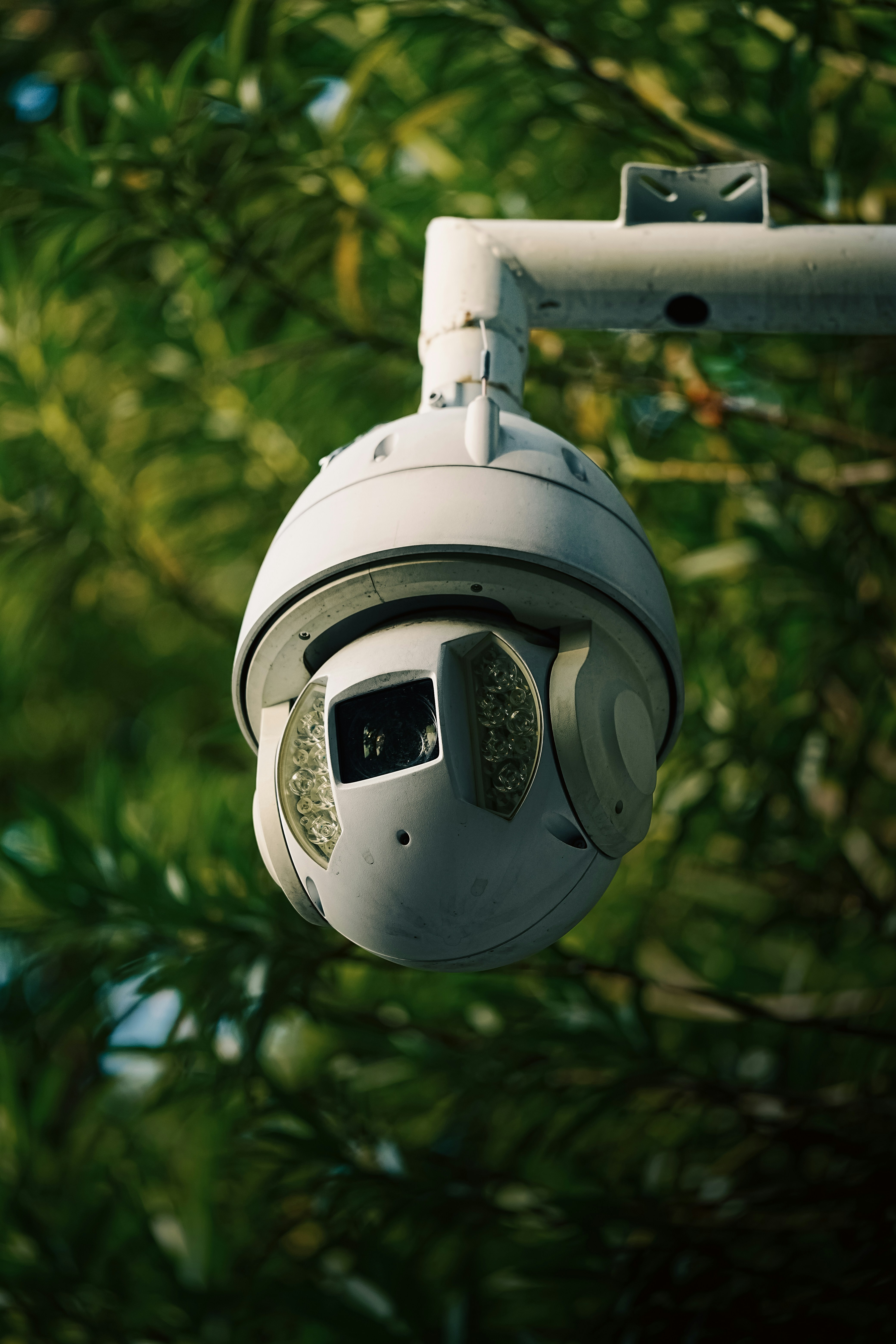
Introduction to Smart Security Cameras
Smart security cameras represent a significant advancement in home surveillance technology, providing homeowners with an enhanced ability to monitor their living spaces effectively. These devices integrate seamlessly with modern smart home systems, enabling them to connect to the internet and allowing for remote access via smartphones and other digital devices. This capability transforms traditional security measures into dynamic, real-time monitoring solutions that cater to the evolving needs of today’s households.
The significance of smart security cameras in indoor surveillance cannot be overstated. In an age where home security is a top priority for many, these cameras offer features such as high-definition video recording, motion detection, night vision, and even two-way audio communication. Moreover, advanced models incorporate artificial intelligence, which enables them to distinguish between normal activities and potential threats. This minimizes false alerts and enhances safety security measures.
Over the years, smart security cameras have evolved dramatically to meet the demands of modern living. Early models were often limited in functionality, typically relying on basic recording capabilities and required manual intervention for activation. However, contemporary smart cameras boast sophisticated features, including cloud storage options, smartphone notifications, and integration of facial recognition technology. As consumer expectations change, companies continue to innovate, pushing the boundaries of what smart security cameras can do.
As we delve deeper into this guide, we will explore various smart security cameras suitable for indoor use. Understanding the features, benefits, and technological advancements inherent in these devices will enable homeowners to make informed choices about their indoor surveillance needs.
Table of Contents
Key Features to Consider
When selecting a smart security camera for indoor use, several key features are essential to ensure that you are investing in a reliable surveillance solution. First and foremost is the video quality. High-definition video resolution, preferably 1080p or higher, provides clarity and allows you to observe details and identify individuals accurately. Some advanced models even offer 4K resolution, enhancing quality further, especially in large spaces.
Another important consideration is the field of view. A wider field of view enables the camera to cover more area, minimizing blind spots. Look for cameras that offer at least a 130-degree field of view, as this will effectively monitor larger rooms without the need for multiple devices.
Night vision capabilities are also vital for a comprehensive security system. Cameras equipped with infrared technology can capture clear images in low-light conditions, ensuring that your indoor space remains monitored 24/7. Ensure that the camera you choose has sufficient night vision range to cover your specific indoor area.
Motion detection is another crucial feature. This technology ensures that the camera remains vigilant, alerting you to any movement in its vicinity. Some cameras utilize advanced algorithms to minimize false alerts caused by pets or unnecessary motion, which is particularly useful for indoor environments.
Cloud storage options should also be taken into account. Many modern security cameras offer cloud storage solutions which allow you to save recorded footage securely. Some providers furnish free cloud storage for a limited duration, while others may charge for extended storage capabilities.
Finally, mobile app integration is imperative for modern security cameras. The ability to access live feeds, set alerts, and manage your camera remotely via a mobile application enhances user experience and control.
Top Picks for Indoor Smart Security Cameras
In the ever-evolving realm of smart home technology, indoor security cameras have become a vital addition for homeowners seeking to enhance safety and peace of mind. This section focuses on some of the leading smart security cameras available today, detailing their standout features, advantages, and potential drawbacks.
1. Arlo Ultra 2
The Arlo Ultra 2 features high-definition 4K video resolution with HDR and a 180-degree field of view. This smart security camera excels in night vision capabilities and offers a wireless design for easy installation. Pros include advanced motion detection and the convenience of a two-way audio system. However, the subscription service can add to its overall cost, with the camera priced around $359.

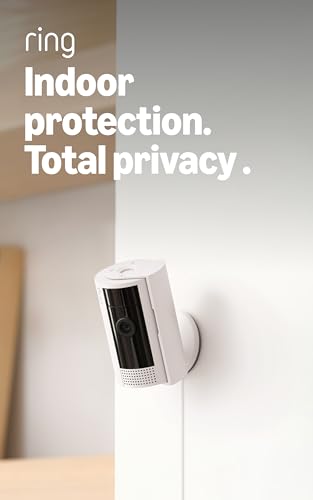
2. Ring Indoor Cam
Offering a sleek design, the Ring Indoor Cam provides 1080p HD video and is equipped with motion-activated alerts. This camera integrates seamlessly with the Ring ecosystem, enabling users to connect with other Ring devices. Its affordability at approximately $59 is a significant advantage, although it lacks some advanced features like pan and tilt functionality.
3. Nest Cam (Indoor)
Developed by Google, the Nest Cam stands out due to its intelligent design and user-friendly interface. It offers crisp 1080p video with a wide viewing angle and 24/7 live streaming capabilities. Users appreciate its ability to differentiate between people and pets. The price ranges from $99 to $129, but users might require a subscription for storing video history.

4. Wyze Cam v3
A budget-friendly option, the Wyze Cam v3 offers 1080p video and exceptional night vision with color capability. Its price point, around $35, makes it an accessible choice. Pros include free cloud storage and integration with smart home platforms. However, it lacks advanced activity zones found in more expensive models.

These selections demonstrate the wide array of features and price points available in the smart security camera market, allowing consumers to find the most suitable option for their indoor security needs.
Comparison of Indoor Security Cameras
When selecting the best indoor security camera, it is essential to evaluate various models based on their specifications, performance, and unique features. This comparative analysis will not only aid consumers in making informed decisions but also highlight the strengths and weaknesses of each model. Below is a comparative chart showcasing key specifications of popular indoor security cameras.
1. Camera Resolution: Most indoor security cameras come with a resolution ranging from 720p to 4MP. Higher resolution cameras, such as those offering 1080p or 4MP, provide clearer images, which are crucial for identifying details such as facial features and license plates.
2. Field of View (FOV): A wide field of view is advantageous as it allows for more area coverage. Most indoor cameras typically have a FOV between 90 to 180 degrees. Selecting a camera with an adequate FOV ensures that fewer blind spots are present in your surveillance area.
3. Connectivity Options: Indoor smart security cameras usually offer Wi-Fi connectivity, with some also providing Ethernet ports for a more stable connection. The availability of both options can enhance streaming quality and reduce latency during live monitoring.
4. Night Vision: Night vision capabilities vary significantly across models, with options ranging from basic infrared (IR) to color night vision technologies. Cameras with superior night vision perform better in low-light environments, making them essential for 24/7 surveillance.
5. Audio Features: Some security cameras include two-way audio, enabling users to communicate with individuals within the camera’s field of view. This feature can be useful for deterrence, as potential intruders or unwanted visitors can be addressed immediately.
6. AI Features: Increasingly, manufacturers are integrating artificial intelligence functionalities such as motion detection, facial recognition, and even package detection. These advanced features can provide added security and convenience to homeowners.
In comparing indoor security cameras, it is advisable to consider which features align best with your specific needs, as each camera presents a unique combination of specifications. Understanding these differences can lead to a well-informed purchase, ultimately enhancing your home security system.
Installation Tips for Smart Security Cameras
Installing smart security cameras indoors requires careful planning to ensure effectiveness and ease of use. One of the first considerations is the placement of the camera. Ideally, security cameras should be mounted at a height where they can capture the best view of the area without being easily tampered with. Common locations include entry points like hallways or near windows to monitor any potential intrusions. Clear sight lines are crucial, as obstructions can significantly hinder the camera’s ability to record activities.
Wiring is another important aspect to consider, especially if you are choosing a wired security camera system. Prior to installation, plan the route for the cables to avoid unsightly tangles or interference with other equipment. It is essential to select a power outlet within reach and verify that it meets the camera’s voltage and amperage requirements. If you are using a wireless security camera, the focus shifts to ensuring the camera is within a good range of your Wi-Fi network. Test the signal strength in the intended location before mounting to avoid connectivity issues.
Once the placement and wiring are addressed, the next step involves the device setup, which typically requires a smartphone app. Each smart security camera comes with its specific app, which is usually compatible with both iOS and Android. Follow the prompts within the app to create an account, connect the camera to your Wi-Fi, and customize settings such as motion detection, notifications, and recording schedules. Ensuring that your camera has the latest firmware will help enhance its functionality and security.
Privacy Concerns and Security Measures
The use of indoor smart security cameras has become increasingly popular for enhancing home safety. However, the deployment of these devices invariably raises significant privacy concerns, particularly regarding data handling and surveillance. Consumers might worry about unauthorized access to recorded footage, potential misuse of personal data, and the general implications of being monitored within their private spaces. Understanding these issues is crucial for making informed decisions about the placement and use of security cameras.
A fundamental step in addressing privacy concerns is to choose cameras from reputable brands that prioritize user security. Many manufacturers implement encryption to protect data in transit and at rest, which is vital in preventing unauthorized access. Users should select security cameras that offer strong encryption protocols and two-factor authentication features. These measures provide an additional layer of security, making it more difficult for potential intruders to gain access to the data.
Furthermore, transparency in data handling practices is essential. Users should thoroughly review the privacy policies of their chosen security camera’s manufacturer to understand how their data will be utilized, stored, and shared. Setting appropriate access controls is also critical. For instances where multiple people may access the camera feeds—such as household members—users should configure roles and permissions to restrict access to sensitive footage.
Regular software updates are another important aspect of maintaining security and privacy. Manufacturers often release updates that patch vulnerabilities and fortify security measures. Keeping the security camera’s software updated ensures that users benefit from these improvements and minimizes the risk of security breaches. By adhering to these best practices, individuals can enhance their indoor security camera experience while addressing prevailing privacy concerns, thereby creating a safer and more secure environment.
User Reviews and Feedback
When considering smart security cameras for indoor use, user reviews and feedback play a vital role in helping potential buyers evaluate product performance and reliability. Many users appreciate the intuitive design and ease of installation that top smart security cameras offer. Various models received high praise for their user-friendly mobile applications, enabling seamless monitoring of home security from anywhere.
Performance during live streaming and video recording has been a significant point of discussion in user feedback. Users have noted that the clarity and resolution of the video feed are crucial features. Cameras that offer 1080p or higher resolutions frequently receive positive reviews, as they provide detailed images, essential for identifying individuals or activities. Additionally, the ability to adjust camera angles remotely and access different viewing modes adds to user satisfaction.
User reviews also highlight the reliability of smart security cameras. Many customers have shared their experiences regarding connectivity issues, with most preferring devices that maintain a steady Wi-Fi connection without frequent interruptions. Moreover, a significant number of users express a preference for cameras with night vision capabilities, which enhance surveillance quality during low-light conditions.
Furthermore, customer feedback on the integration with smart home ecosystems, such as compatibility with virtual assistants like Amazon Alexa and Google Assistant, enhances the user experience. This aspect allows users to control their cameras through voice commands, providing a more hands-free approach to home security management.
Overall, while feedback varies based on specific user experiences, certain features consistently emerge as crucial factors influencing the satisfaction and reliability of smart security cameras for indoor use. Engaging with real-world reviews can provide insights into which models deliver the best performance, equipping potential buyers with the knowledge needed to make informed decisions.
Future Trends in Smart Security Cameras
The landscape of smart security cameras is undergoing a significant transformation, driven by advancements in technology and changing consumer expectations. One of the most notable trends is the integration of artificial intelligence (AI) into security camera systems. AI enables these devices to not only capture high-definition video but also analyze it in real time. For instance, smart security cameras equipped with AI can distinguish between people, pets, and vehicles, reducing the number of false alarms and enhancing overall reliability.
Moreover, enhanced analytics capabilities are becoming increasingly popular in smart security cameras. This includes features such as motion tracking, facial recognition, and even behavioral analytics. These functionalities allow for a more refined approach to security management, where users can receive tailored alerts and insights based on their specific needs and environments. Consequently, cameras are evolving from simple recording devices to complex systems offering actionable intelligence for homeowners and businesses alike.
Another growing trend is the integration of smart cameras within larger smart home ecosystems. Consumers are increasingly investing in connected devices that work in harmony with their other technologies, such as smart locks, lighting systems, and home assistants. This holistic approach allows for greater convenience and control over home security. For example, a smart security camera can interact with a smart doorbell to provide a comprehensive view of the entryway, ensuring users are always informed about who approaches their homes.
As the demand for advanced security solutions continues to rise, manufacturers are also focusing on improving connectivity and battery life. Wireless camera systems that leverage technologies like Wi-Fi 6 ensure faster data transmission and reduced lag, while enhanced battery technology enables longer operational times without needing frequent charging. These advancements indicate a promising future, where smart security cameras will become even more integral to securing our homes and businesses.
Conclusion and Recommendations
Smart security cameras have become an essential tool in enhancing indoor security, offering users peace of mind with their advanced features and functionalities. Throughout this guide, we discussed various aspects of indoor smart security cameras, including their importance, key features to consider, and the top models available in today’s market. Features such as high-definition video quality, motion detection, night vision, two-way audio, and integration with smart home systems play a significant role in making these devices effective.
For those on a budget, we recommend considering models like the Wyze Cam v3, which provide excellent value for money without compromising on essential features. This model’s low price point makes it an attractive choice for consumers who want a reliable camera without a hefty investment. On the other hand, for users who desire premium features and greater customization options, the Arlo Pro 4 is an excellent option. Its stellar performance in low-light conditions, along with innovative capabilities like a removable battery and enhanced connectivity, justifies the higher price.
If integration with a smart home system is a priority, then the Ring Indoor Cam or the Google Nest Cam can be excellent choices. These cameras seamlessly integrate with existing home automation systems, allowing for enhanced control and monitoring. They also offer user-friendly interfaces that cater to tech-savvy individuals, making it simpler to manage security from anywhere.
Conclusively, the choice of an indoor smart security camera should depend on individual needs, preferences, and budgets. Investing in the right security camera can significantly improve your home security, making it a decision worth careful consideration. Ultimately, whatever your requirements may be, there is a smart security camera perfectly suited to meet them.